An Account of the Tamil Nadu State Archives in Chennai: Searching, Finding & Adapting

By Kunal Mathur, PhD candidate, University of Liverpool , K.Mathur2@liverpool.ac.uk

In July 2025, I did fieldwork for a PhD in Architectural History at the Tamil Nadu State Archives in Chennai (previously known as Madras), India. I spent the whole month at the archive asking for and receiving documents. I came prepared with research on the archive and its documents, and with the added advantages of being Indian and having friends living in the city, I felt fairly confident. Having visited the archives at the British Library and the Wellcome Library in London, navigating archives were now familiar to me, or so I thought.  My experience at the Tamil Nadu State Archives was anything but familiar. My preparations did help to an extent but for the most part, I had to figure things out for myself.

This article talks about the many hurdles I faced and how I overcame them. More often than not, I did not manage to overcome these hurdles and had to compromise or find alternate approaches.

My research follows the Madras General Hospital during a period of British rule in the country (1772-1862). All the documents I discuss will be restricted by the timeline stated but some of the hurdles I faced will apply to most students and academics. My hope is that my experiences at the Tamil Nadu State Archive will ultimately help others navigate the archives more productively.

Context

The Tamil Nadu State Archives, originally called the Madras Record Office, started in 1909. It houses government documents of the state and is a repository for historic documents of South India from the 17th century.
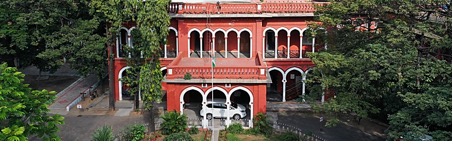
Figure 1: Tamil Nadu State Archives (Source: Archives Website)

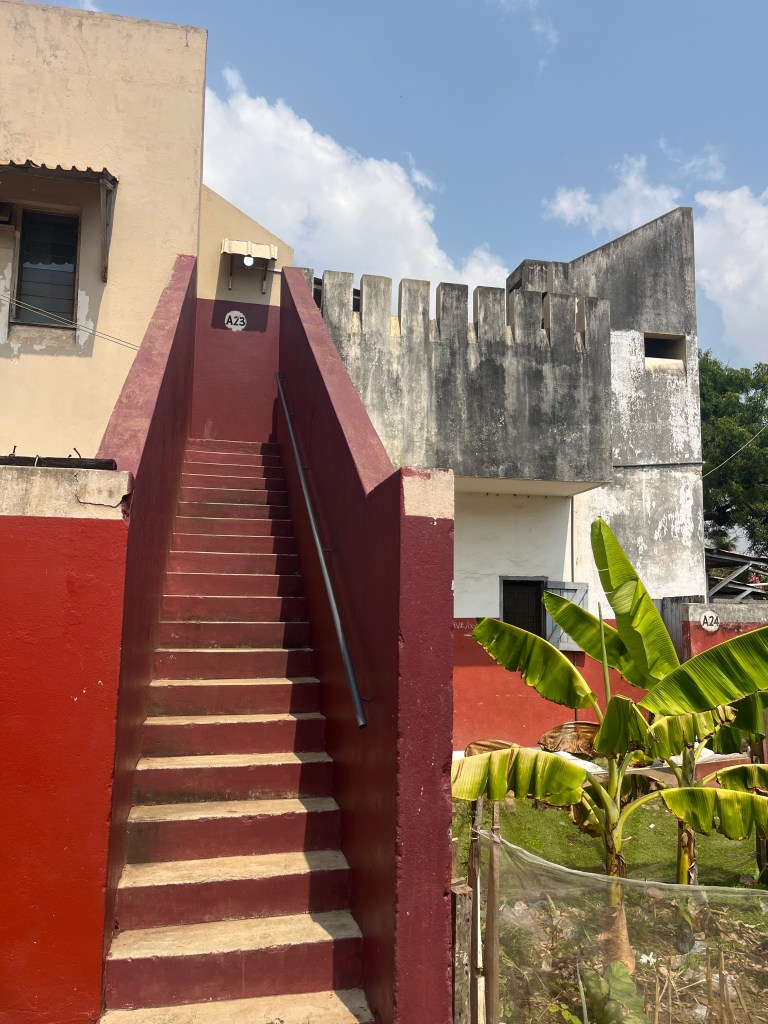
The archive building is an impressive heritage structure constructed in the Indo-Saracenic style of architecture. During my visit in July 2025, restoration and renovation work was ongoing mainly in the interior spaces. The restoration of the facade had already been completed by then, only the scaffolding remained for the next few days of my visit.
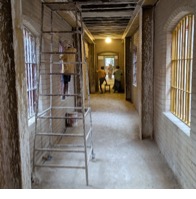
Figure 2: Interior Work Underway (Source: Self)

The Tamil Nadu Archives Library remains a separate building somewhat behind the archive itself. Accessing the library was especially tricky, as you had to go through the archive to get to the library building. Newcomers to the archive could easily miss spotting or even realising that a library exists there. On the recommendation of the archivists, I visited the library first, as it contained indexes and guides to help navigate archival records. These indexes were unfortunately almost completely outdated. Additionally, the library kept completed dissertations, rare publications, old books, and journals for students to skim for references and clues to the archival documents. While I did not find any reference that benefitted my research, the dissertations covered many topics pertaining to the state and country and should not be skipped.

As mentioned earlier, my research follows the architectural history of the Madras General Hospital (1772-1862) as it grew and adapted to the city. Hence, I will be discussing my experience navigating the collection, Records of the East India company from 1670 to 1857. This collection, referred to as stacks, is one of the nine collections available at the archive. I will not delve too deeply into the subcollections as I did not manage to look at all of them.

Finding the Documents

On entry, students and academics are led to the Research Reading Room where they must find documentation. They are directed to one of two desktop computers that have the necessary indexes of each collection.
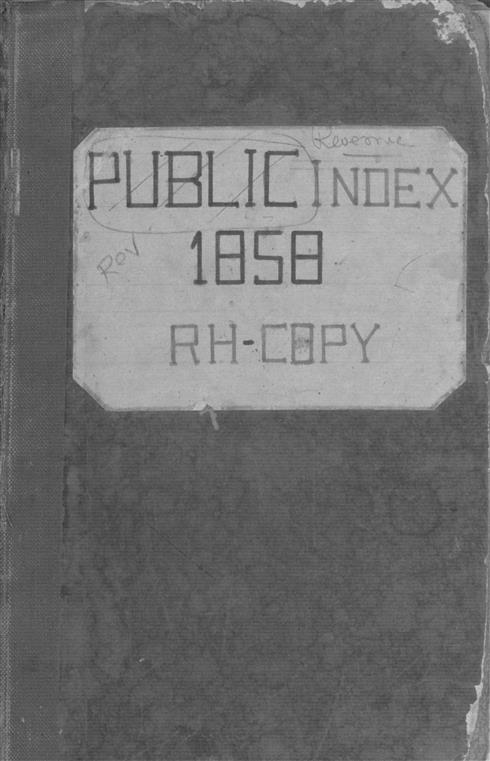
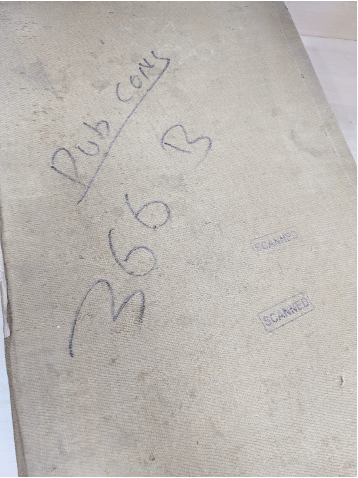
Figure 3: Sample of an Index (Source Archive’s Website)

The Desktop computers include a collection called ‘Press List’ (a great place to start) that serves as a variation of indexes for the collection on the East India Trading Company. The Press List is an invaluable source of information as it provides single sentence summaries or more of each communication, covering the period from 1750-1805. Discussions over a long period of time can be ascertained with reasonable detail through the Press List, serving as a source of information while being an index for other subcollections.

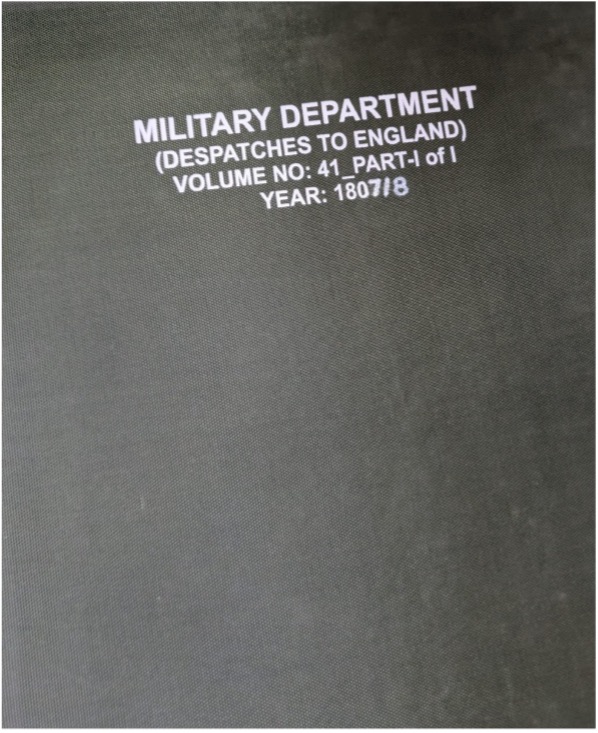
The Press List also serves as an index directing a researcher to a particular subcollection where details can be found. The subcollections for my research come under the Public and Military departments (for eg. Military Consultations or Public Consultations). A special serial/volume number is allotted to each document of the subcollections that can be retrieved from the S7 Catalogue (on the basis of the date). The documents cover a period of a few months to a year (varying as per collection and time period).
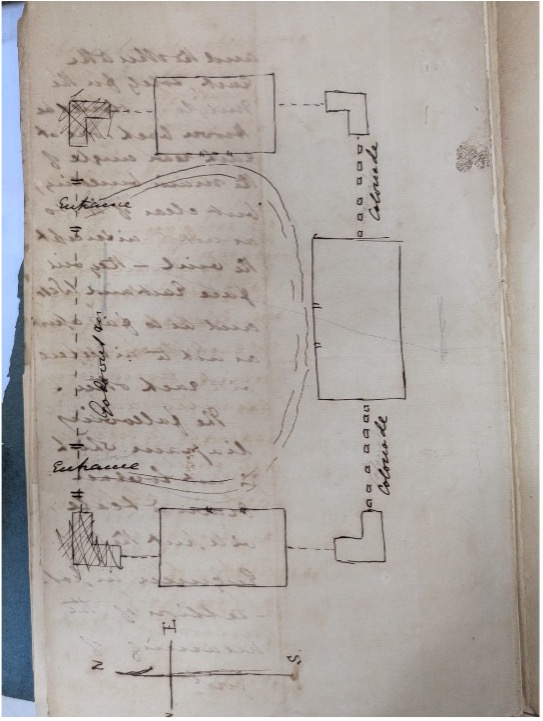
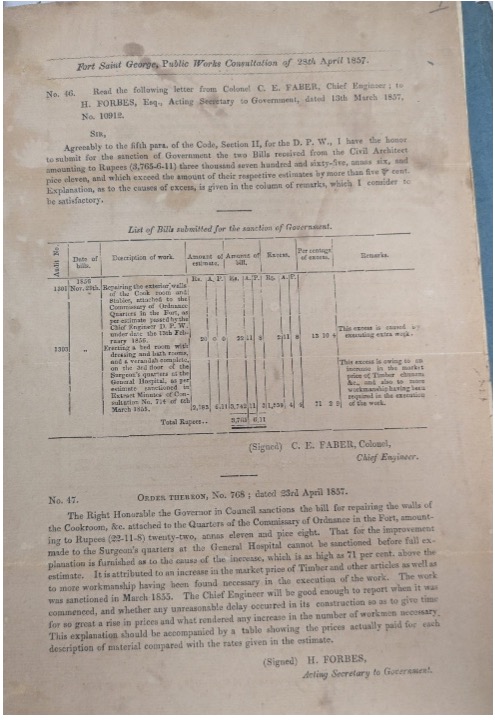
The Press List only covers the period up till 1805, leaving a large gap between 1806-1862. Some records of this later period are available through other indexes like the Public Works Department, Public department and the Military department, but they are too extensive to go through. The best way to find documents for this period would be to find dates through one’s own secondary research. The S7 Catalogue provides the necessary serial/volume number based on the date. For the documents after 1858, indexes like the Public Works Department, Public department and the Military department can be used to pinpoint the years and serial/volume number without the need for a catalogue.

After finding the date ranges and specific serial/volume numbers of documents, you will be allowed to submit a total of 10 document request per day. These requests are to be written down on a form and given to the archivists.

Challenges faced and Solutions Suggested

The archivists have difficulty in communicating in English, leading to miscommunications. Their common tongue, Tamil, is a regional language that is not known in most parts of India. The official language of the country, Hindi, is also not known to them, making it difficult for other Indians to communicate with them too. This poses a bigger problem in the initial phases when a researcher is trying to understand and navigate the archival collections. The best way to cope with this issue is to ask help from Tamil students in the research reading room. They can effectively translate for you, since most of them are fluent in English. 

The archivists have difficulty reading English too, often leading to the procurement of the wrong archival documents. They misread words but understand numbers. Writing clearly and in bold letters is a good way of dealing with the problem. Moreover, writing the dates in a numerical format (dd-mm-yy) removes any chance of misreading the dates.

Many of the documents are missing and cannot be retrieved. Public and Military documents between 1858-1947 have not been maintained or preserved. Most of them are not available. From my experience, even the documents that are found have missing drawings and sketches. The documents before 1858 are undergoing the process of preservation. Documents of the Public Department are mostly available, but the military ones are not all available.

In my experience, more than half of the documents requested are not found. The best course of action is to search other subcollections of the public or military during the same time period. Many topics one may not find in one subcollection, maybe found in another. In my experience, abstracts, letters to England, and letters from England (subcollections) are good sources of information, as many conversations are repeated in them.

Conclusion

The Tamil Nadu State Archives has a variety of documents, maps, letters, manuscripts and books worth exploring. The building itself is impressive, especially when compared to other archival buildings in India. Staff members and archivists are welcoming and helpful, making daily visits to the archives more enjoyable and worthwhile. Overcoming the communication barrier with the staff and archivists can be seen as a constant hinderance and a major drawback of the archive, but it can be overcome over time.

The real issue at the archive is the availability and condition of the archival documents. Working around this issue takes time and patience. An explanation for a missing document varies from one staff member to the other and can often be frustrating. Finding solutions to these problems takes a significant amount of time, as it usually involves looking at other indexes and subcollections. Ascertaining substitute documents in other subcollections requires logical reasoning and significant background knowledge on the time period and functioning government. While finding information at the Tamil Nadu State Archive does seem like solving a puzzle, researchers like me do end up finding enough material.
I’ve been visiting buildings in Accra that I don’t know much about today.

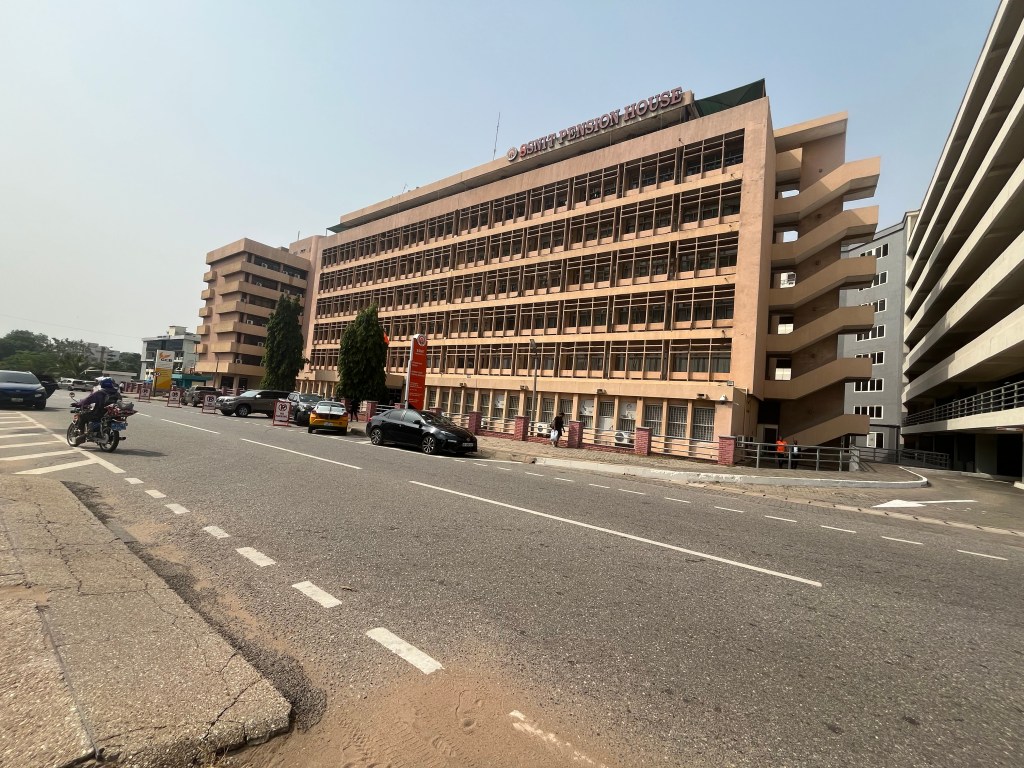
SSMIT Pension House: super bit of brutalism near the ministries. This building looks after the state pensions – but who designed it? Perhaps a forgotten Nickson & Borys? Rather nice open staircase and precise brise soleil…. I can’t find any references to it in my collections or at the RIBA library catalogue. I’ll have to check WABA Journal again, but don’t recall ever reading about this significant building?

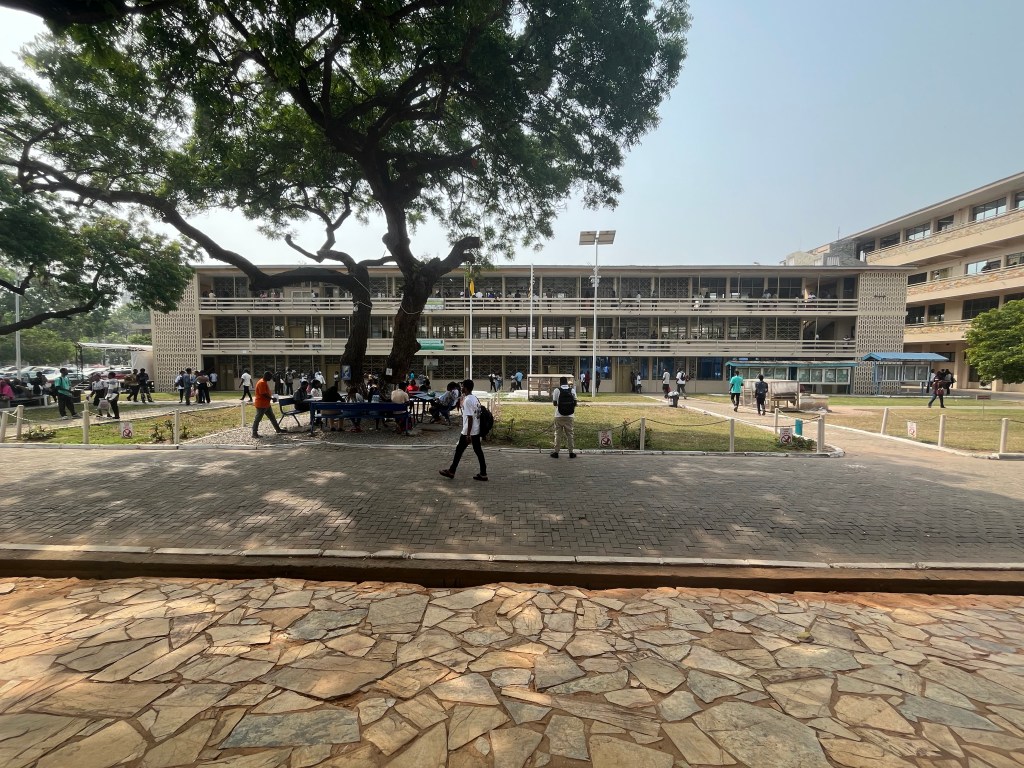
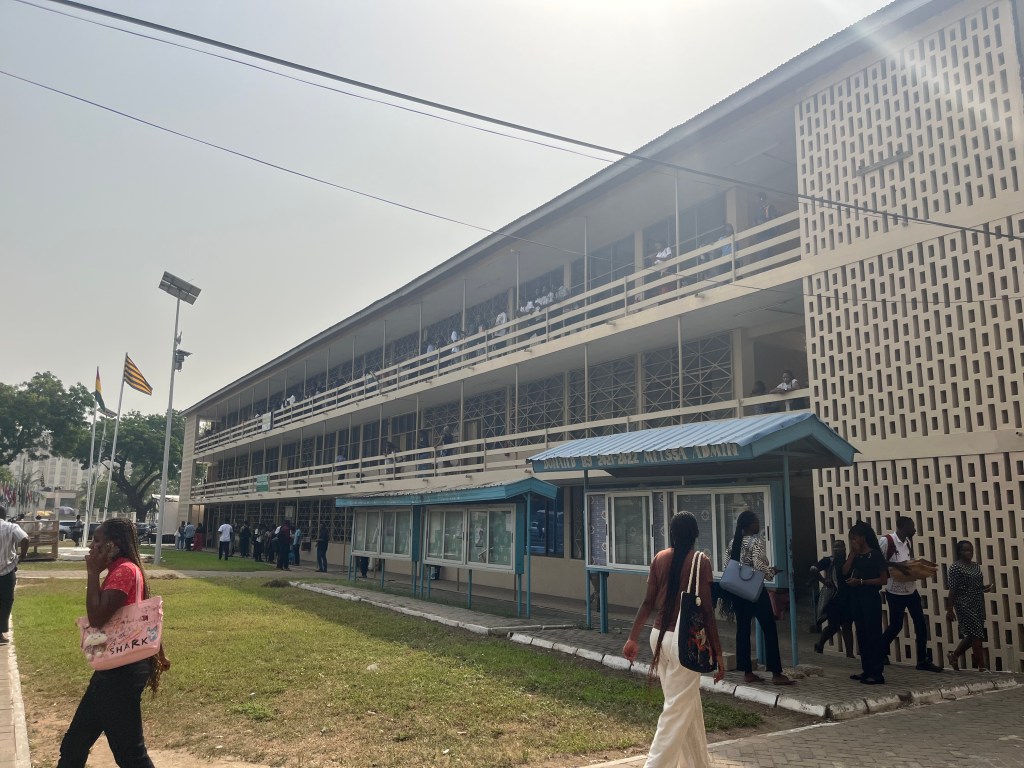
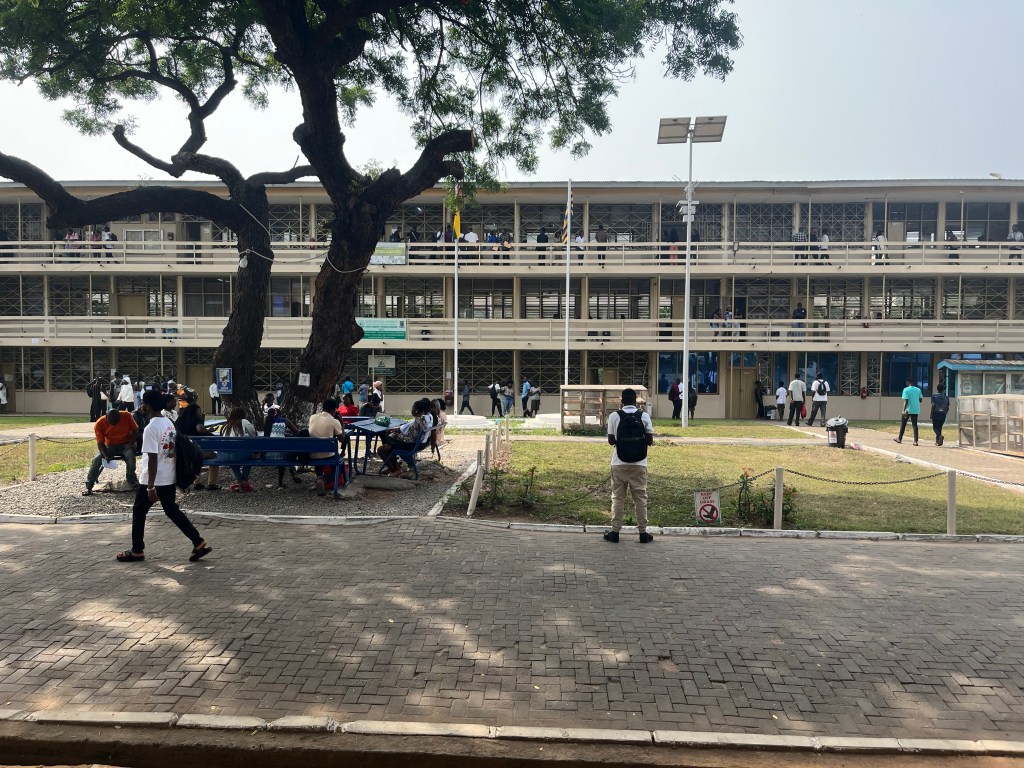
Accra Technical Institute. My reliable sources say it’s designed by none other than James Cubitt. Could be – it resembles his early work at KNUST, Kumasi. OR should I have gone to the Accra Technical College? But the dates for that institution don’t seem to add up.

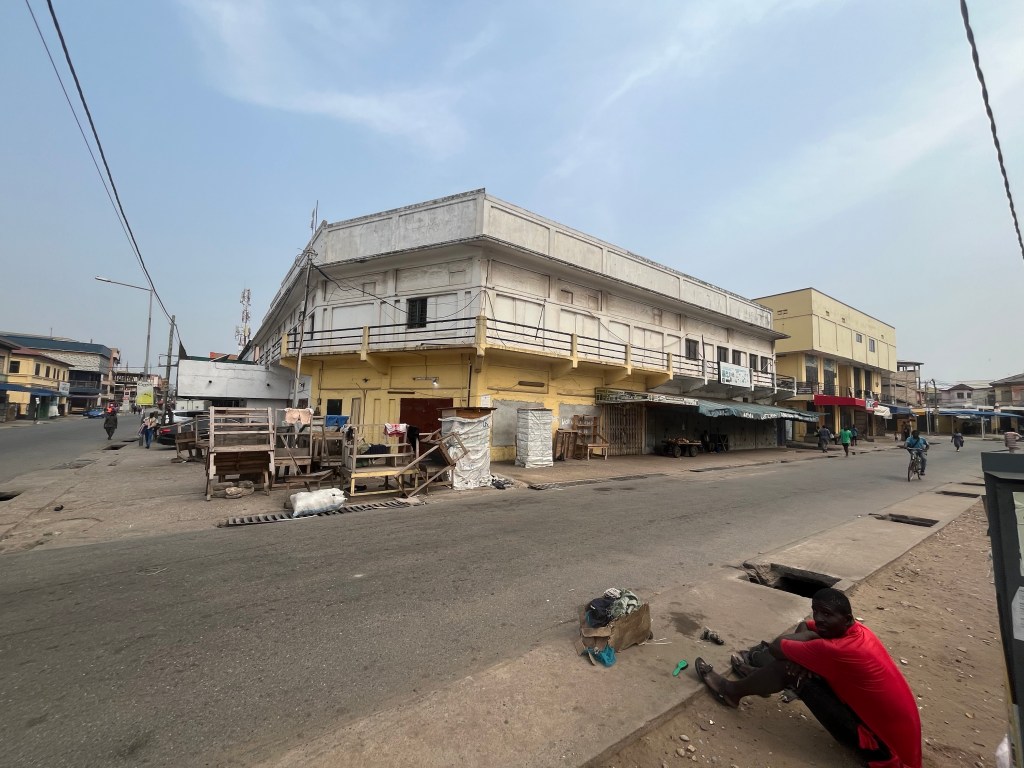
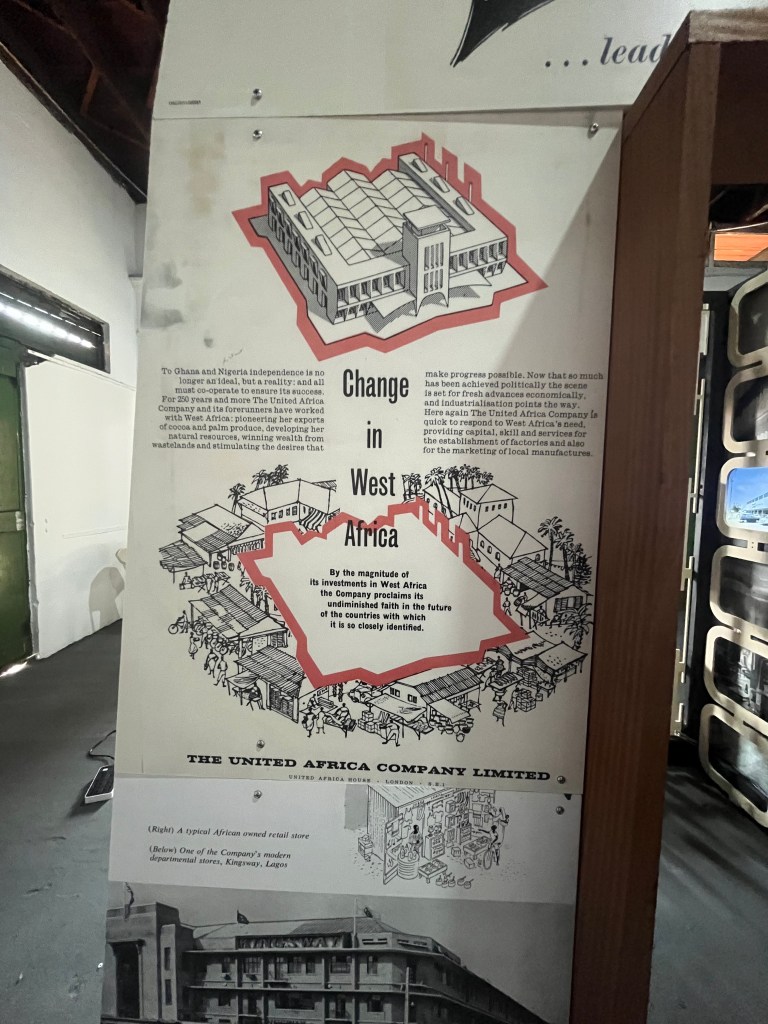
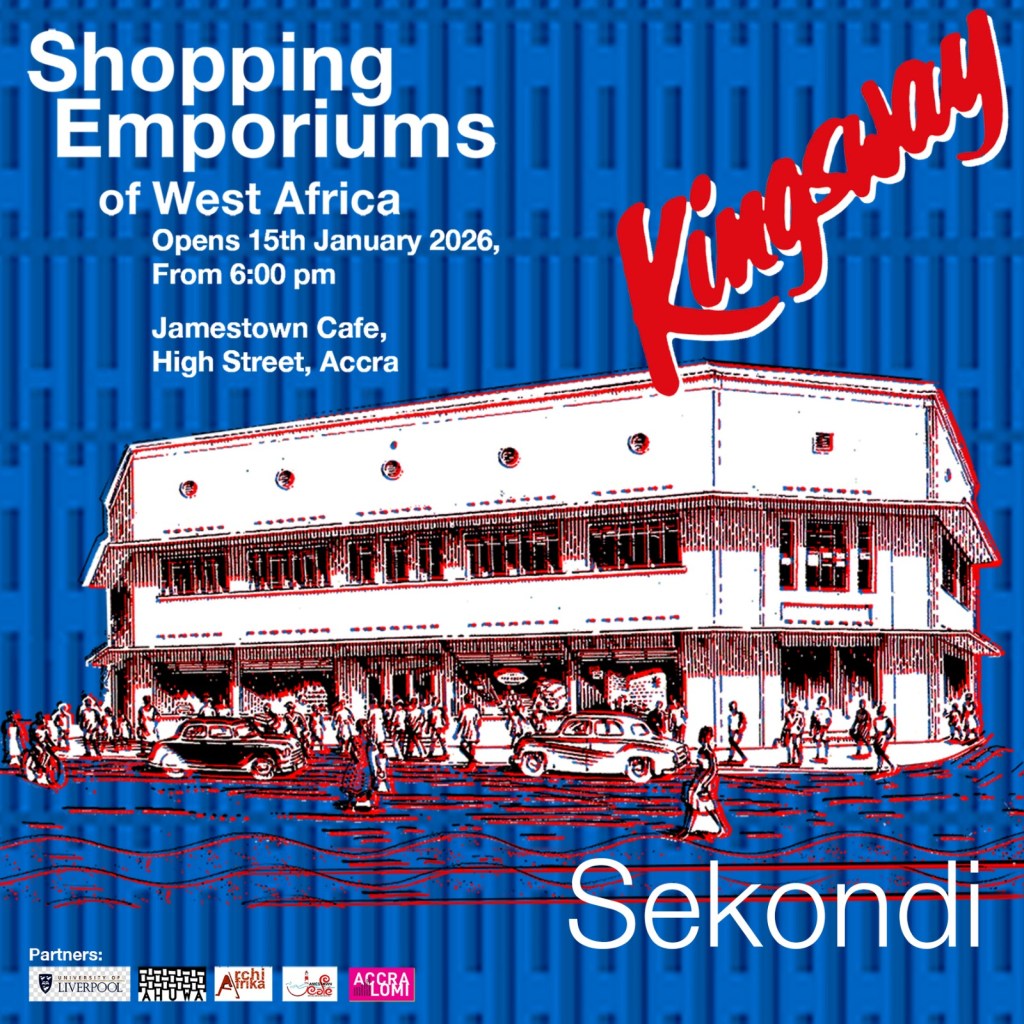
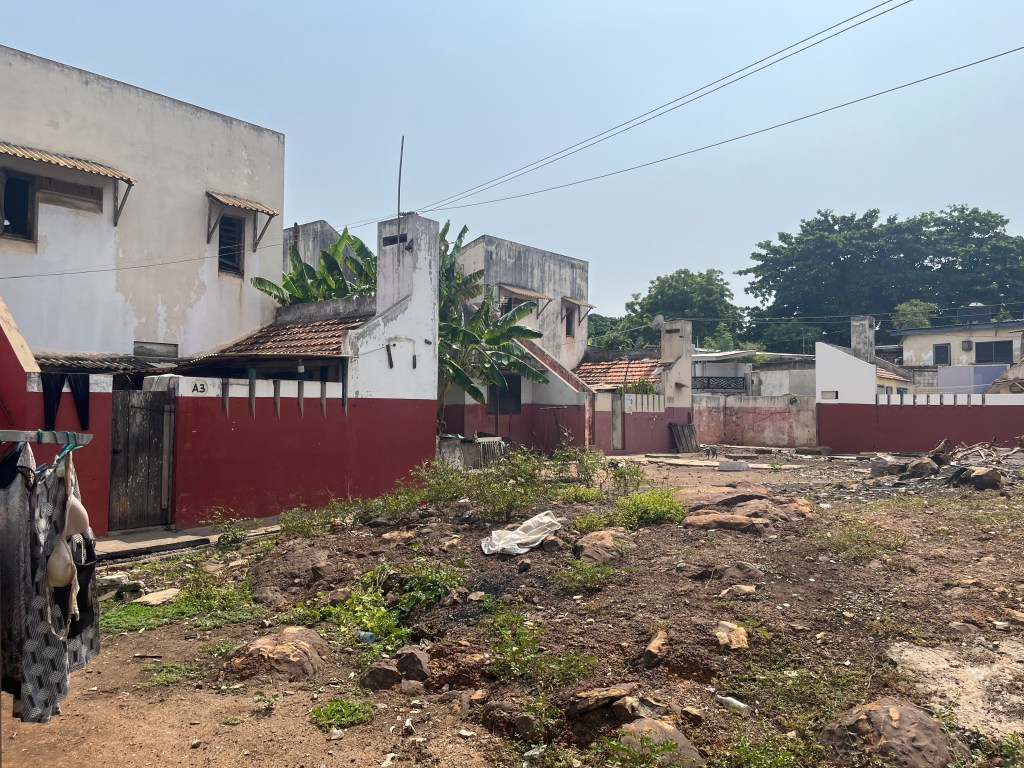
Then there’s a delightful commercial building in Jamestown. It resembles the UAC Kingsway Store in Sekondi. It definitely wasn’t a Kingsway, but perhaps was linked to the UAC?

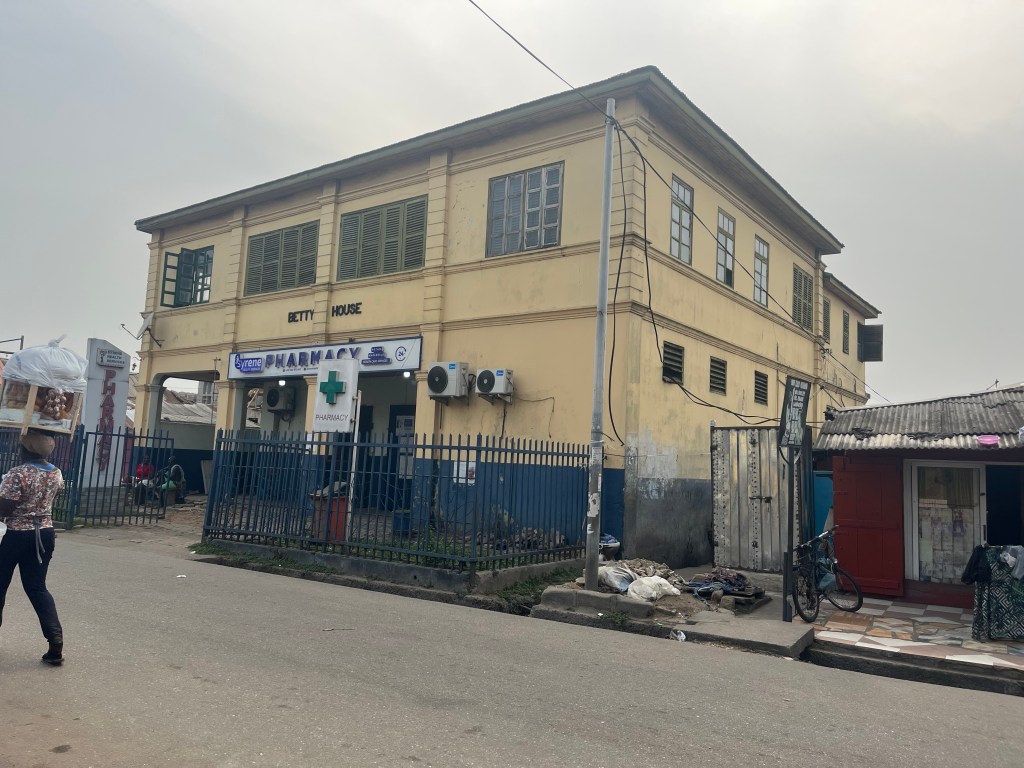
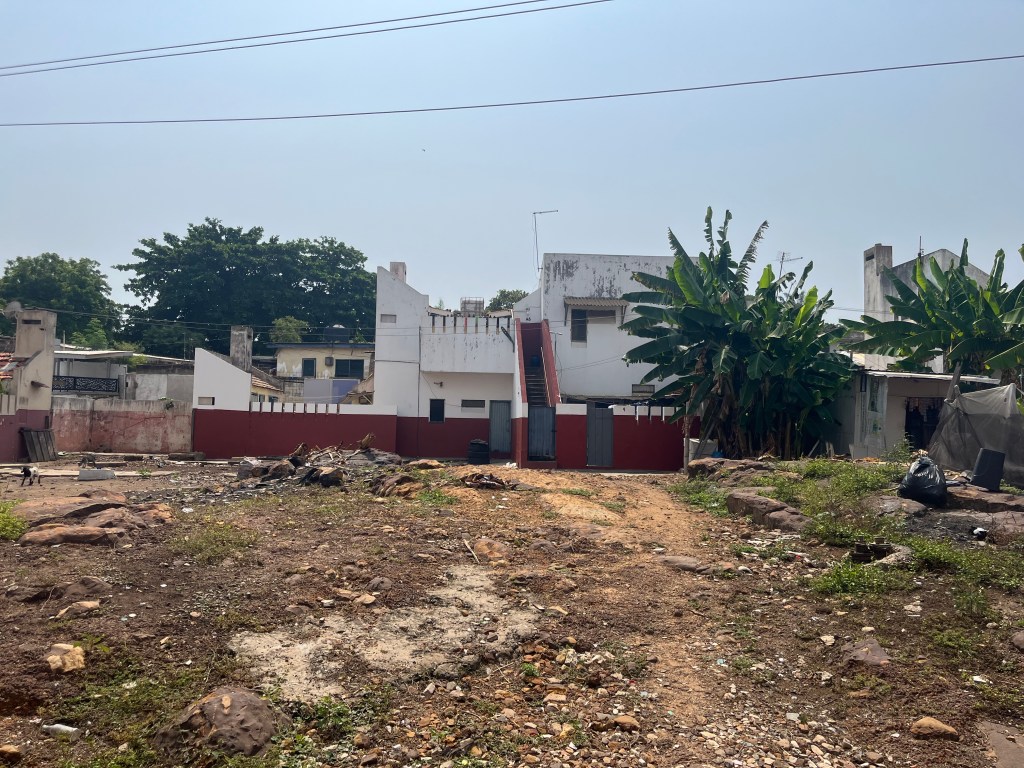
Finally “Betty House”. A rather large house in what was a prestigious neighbourhood in Jamestown at Korle Wokon. Historically important as the residence of Nana Akufo-Addo’s father and served as HQ for Ghana’s first political party, the United Gold Coast Convention (UGCC) after its formation in 1947.

Bringing the Kingsway Stores Home: Our Exhibition Opens in Accra 15 Jan – Easter

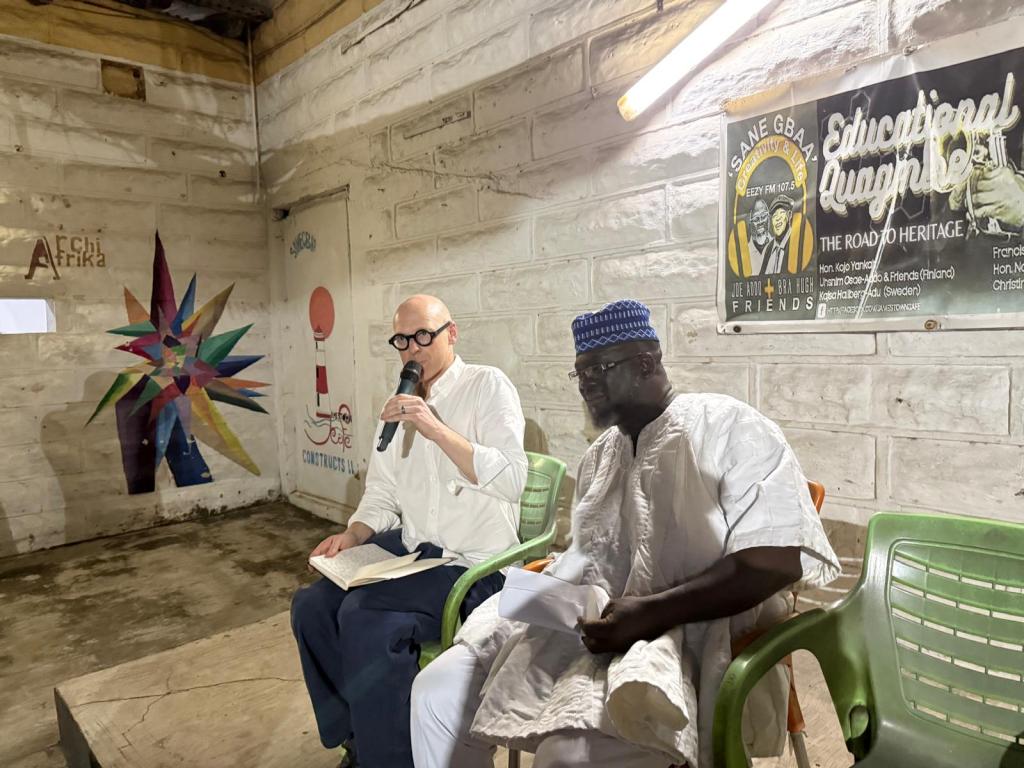
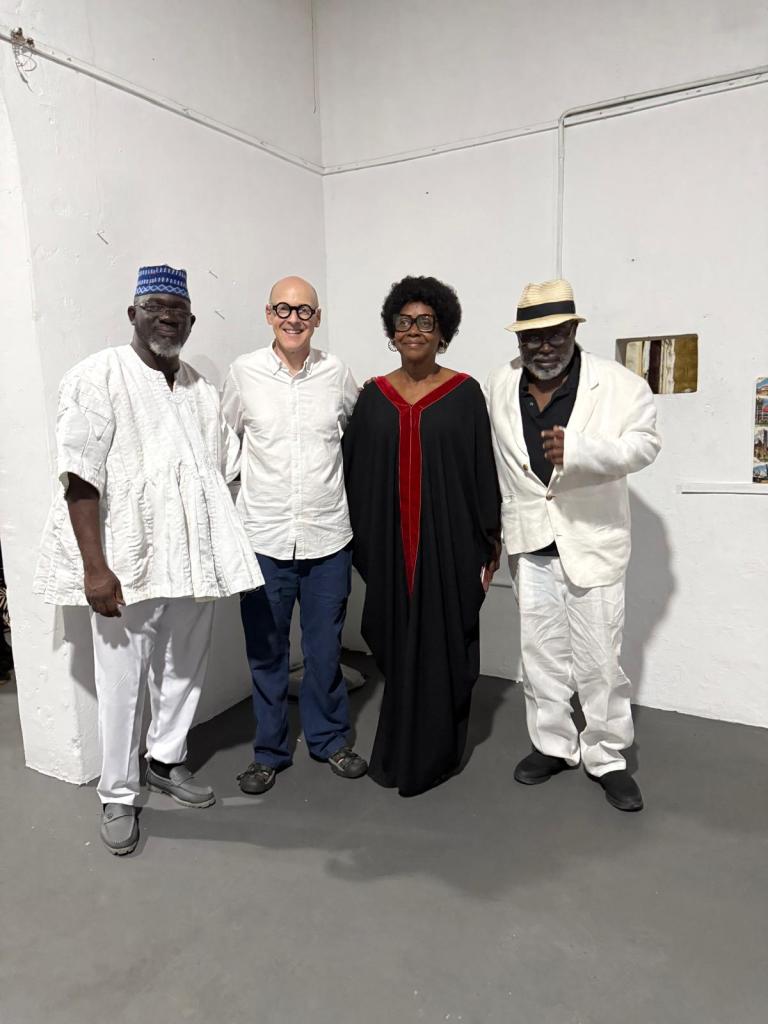
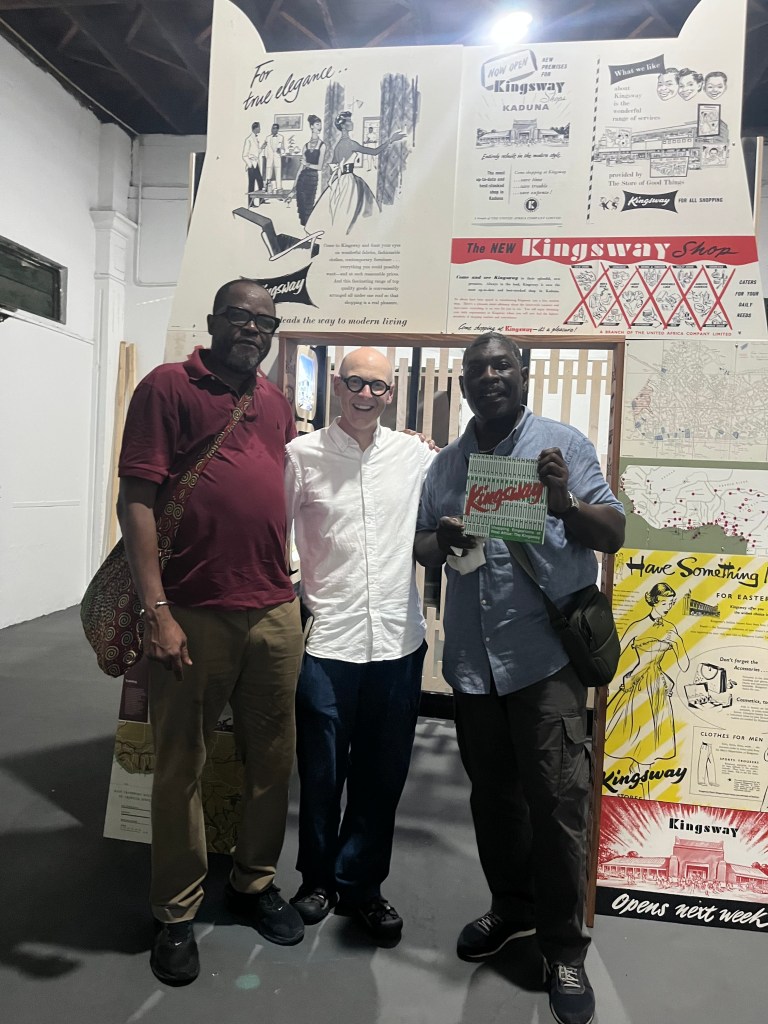
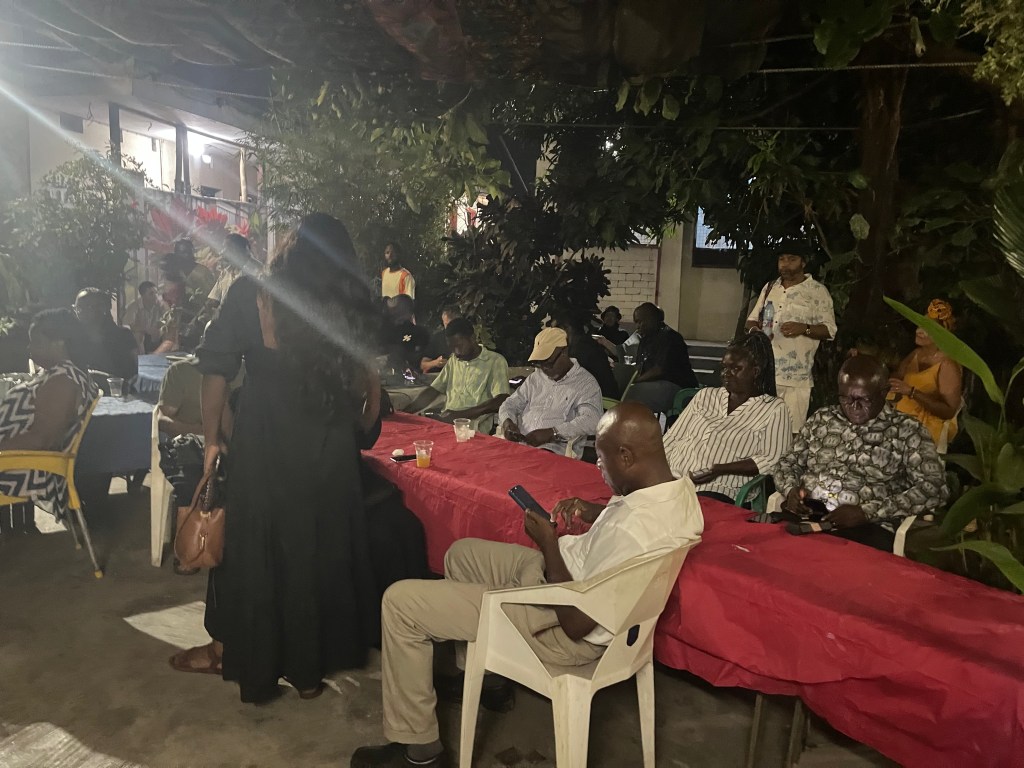
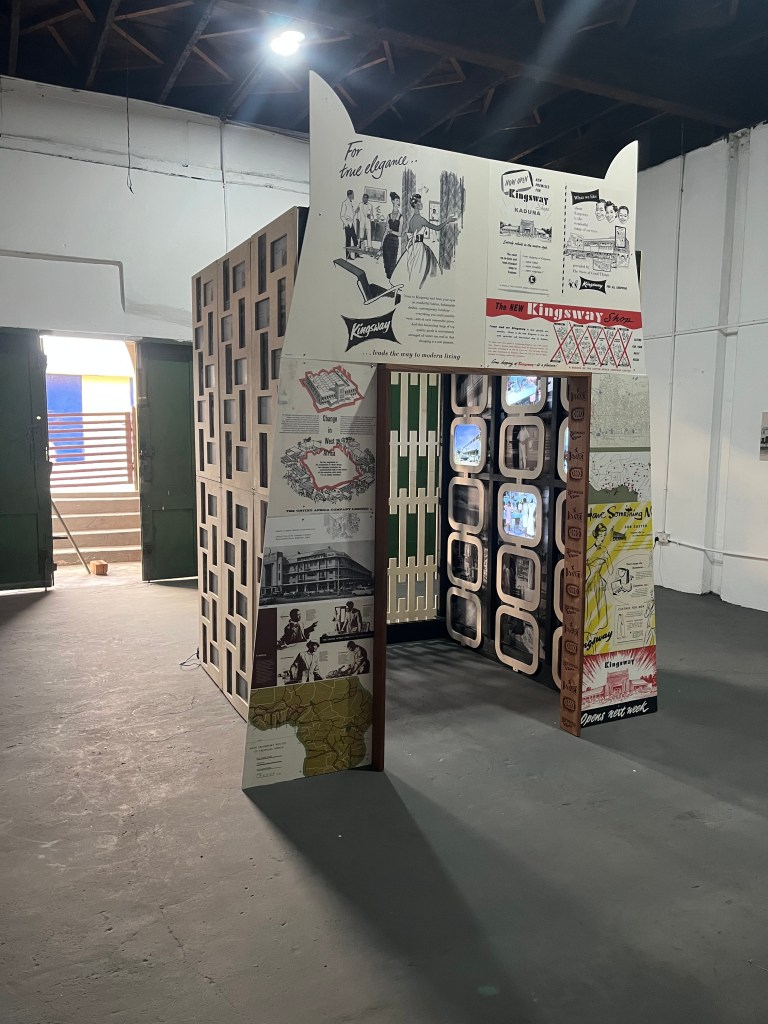
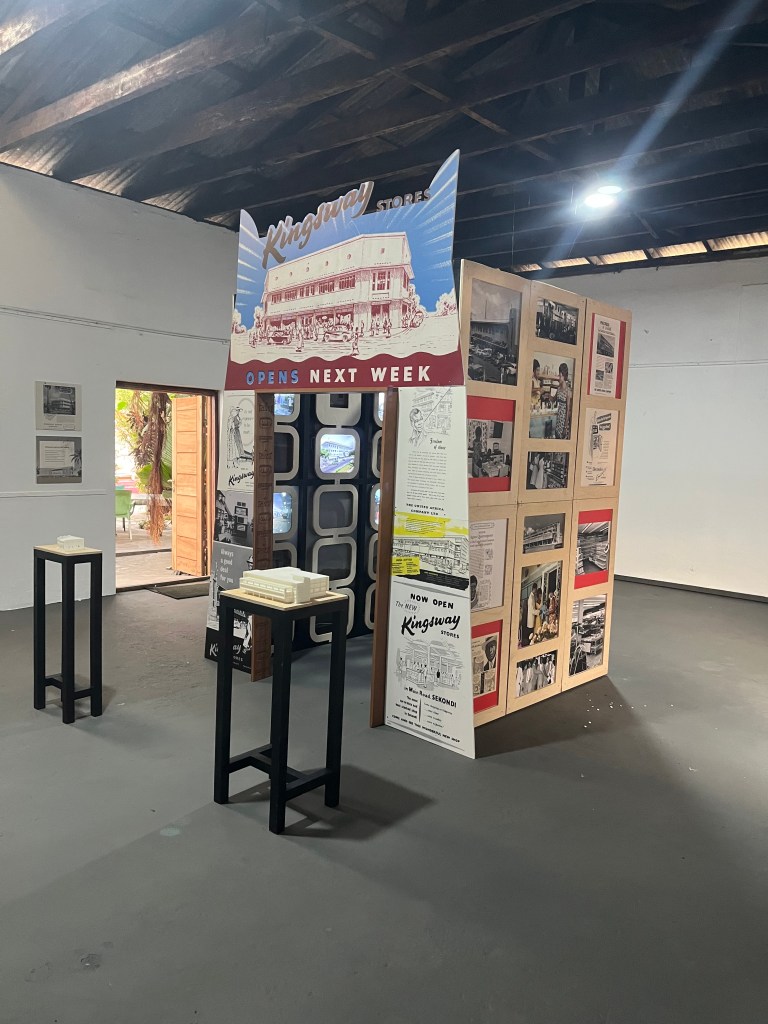
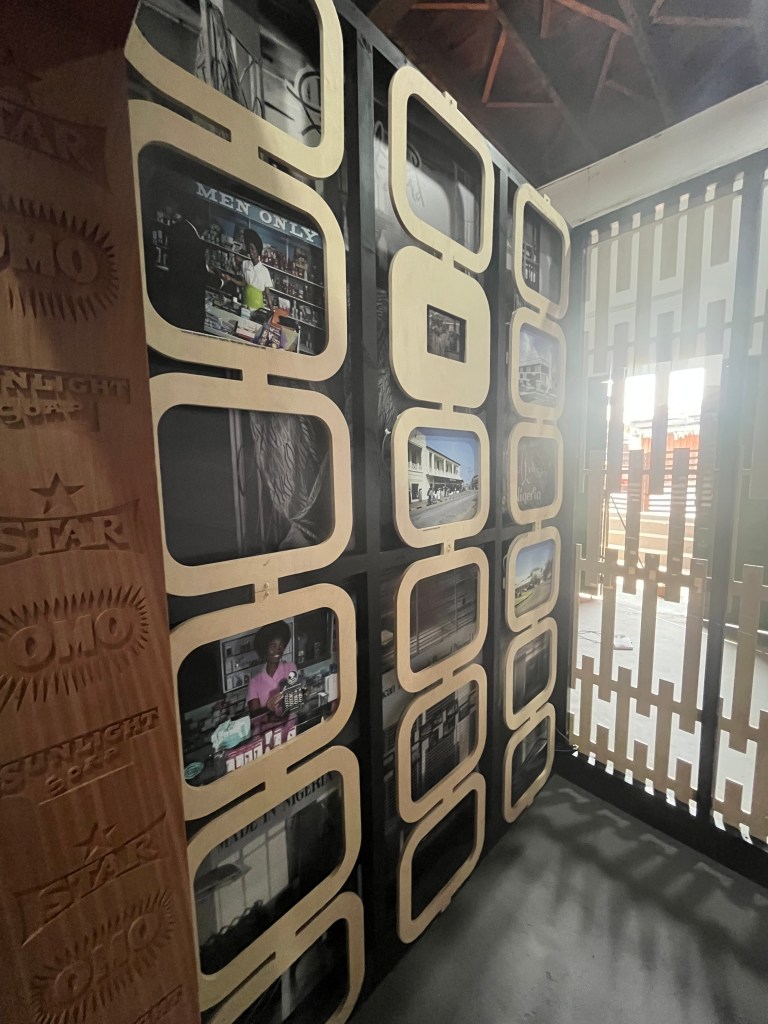
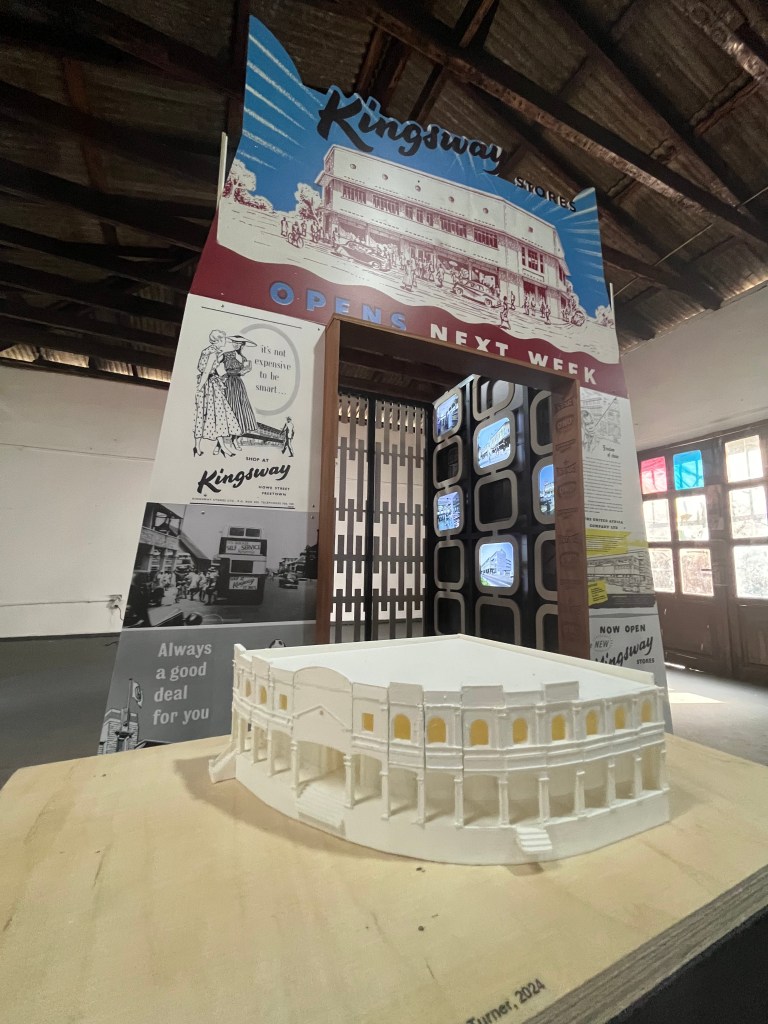
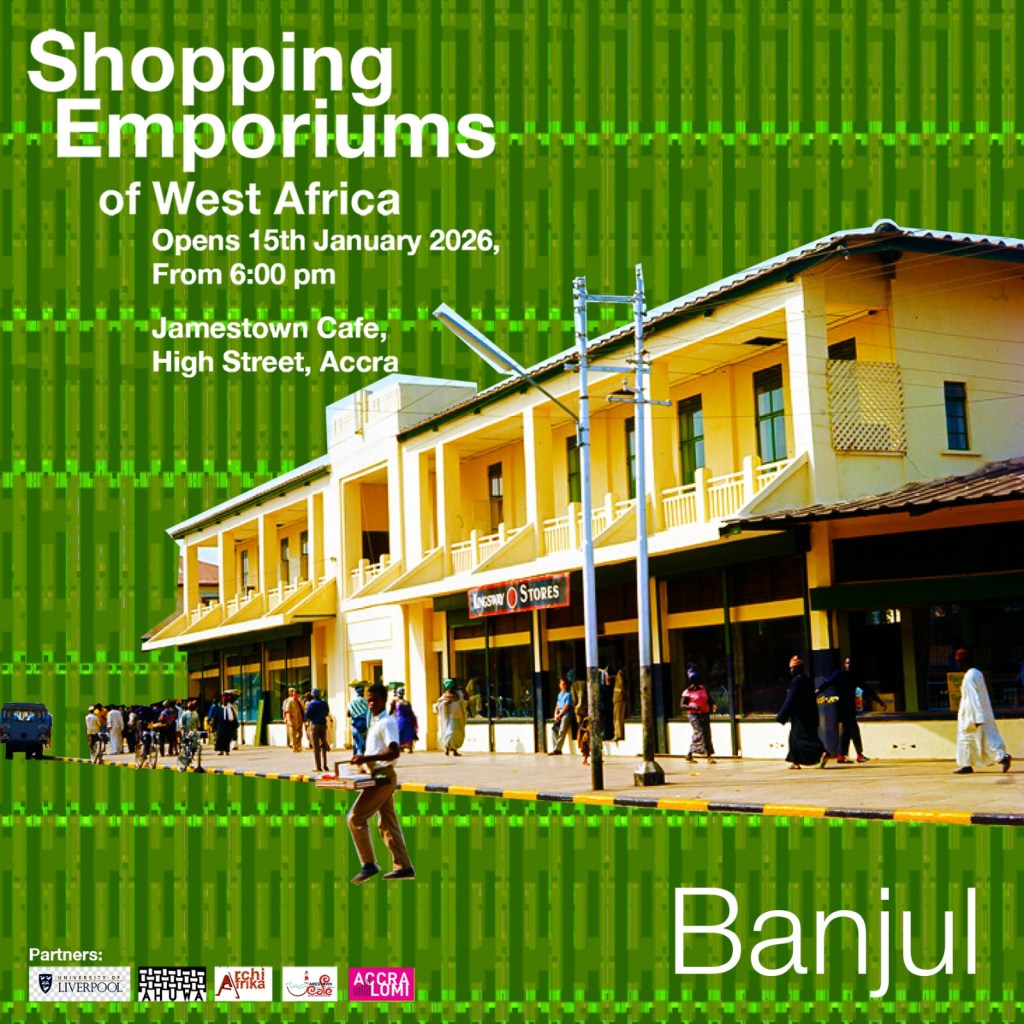
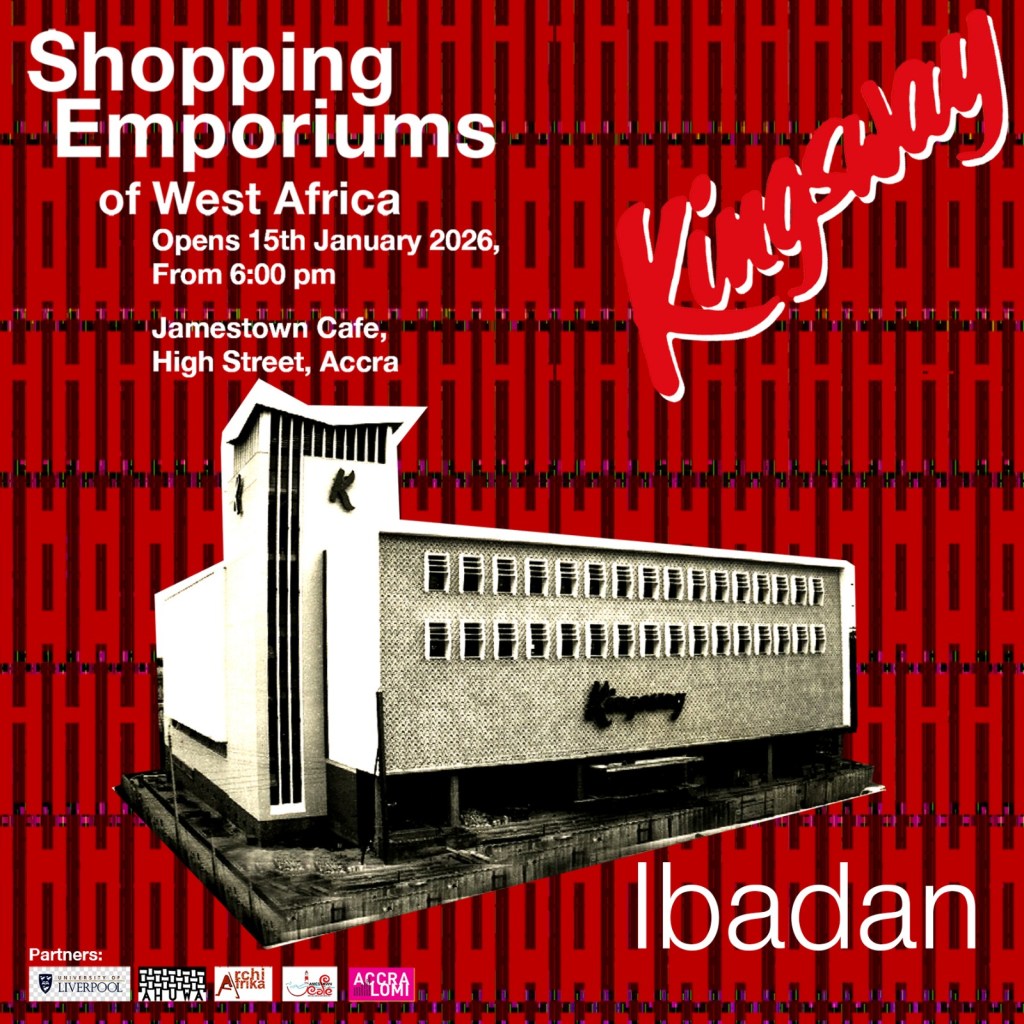
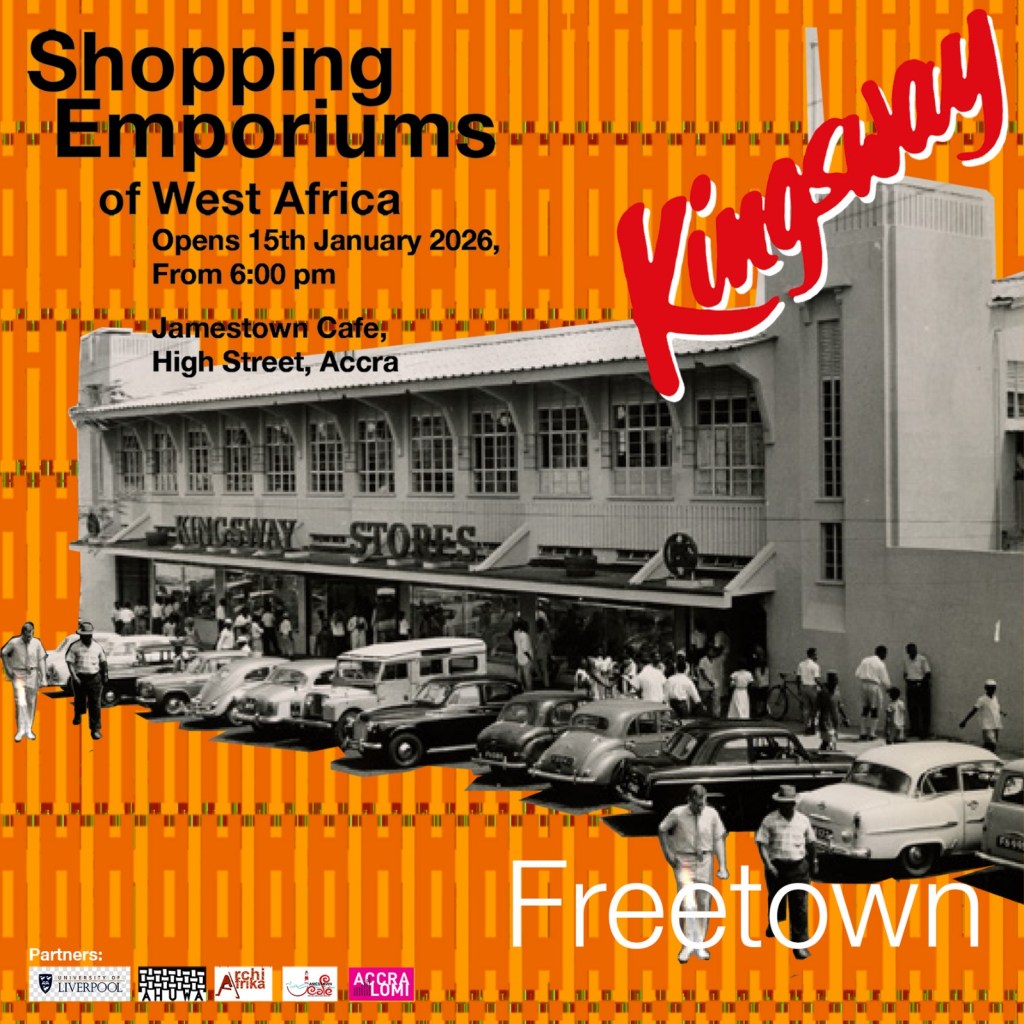
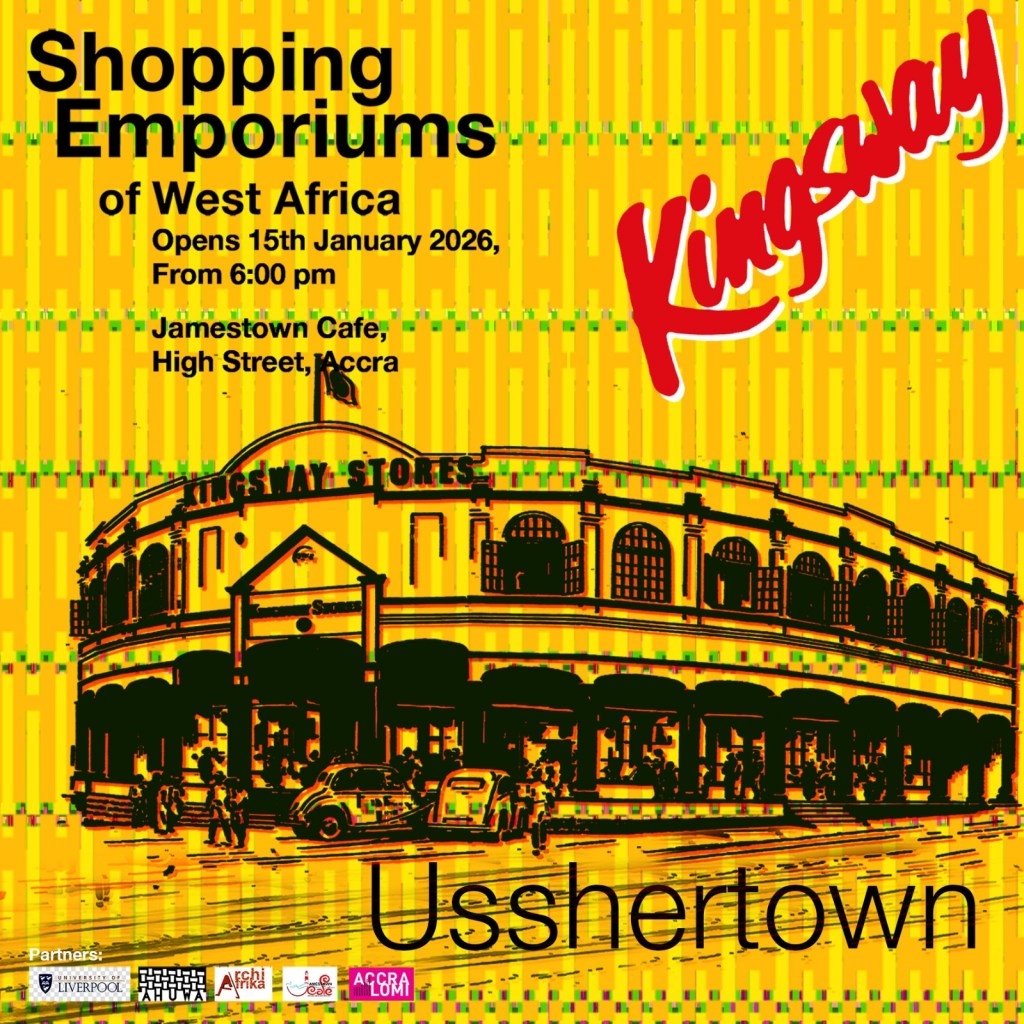
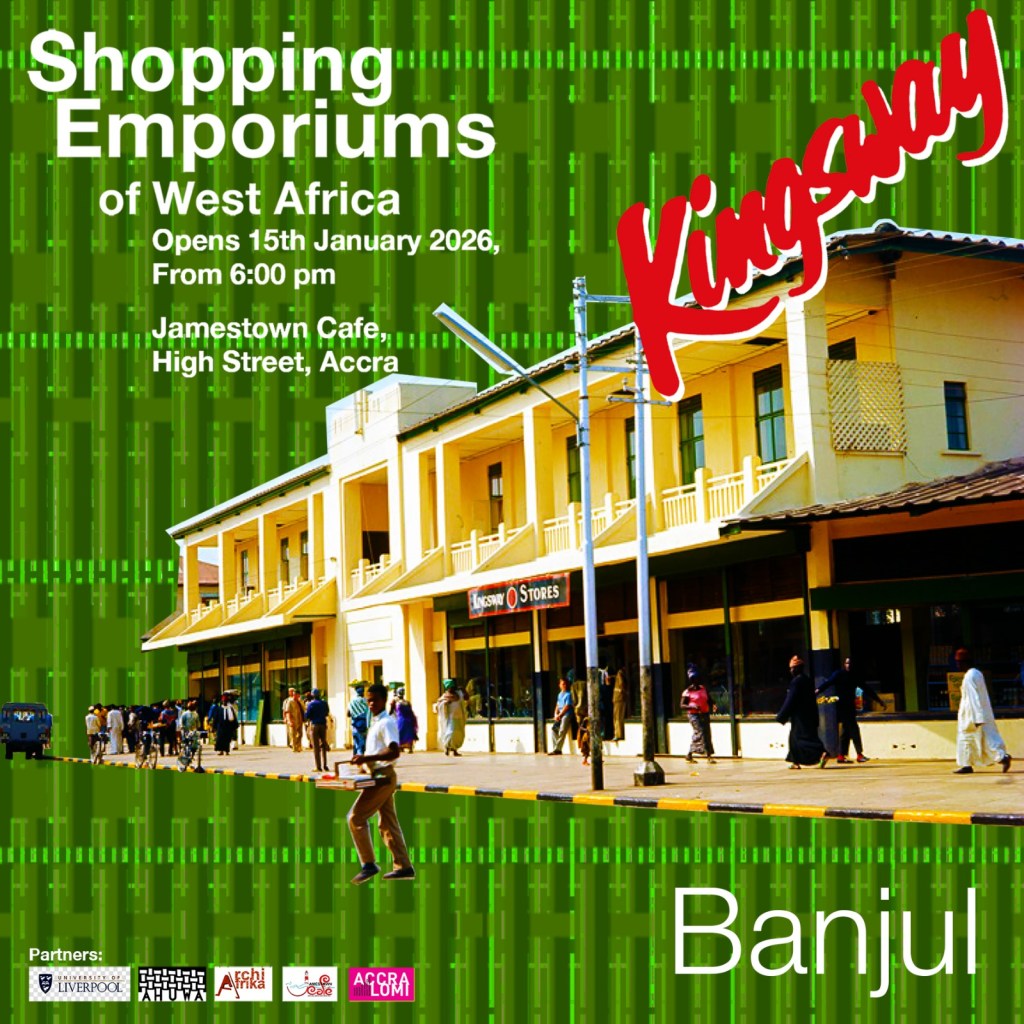
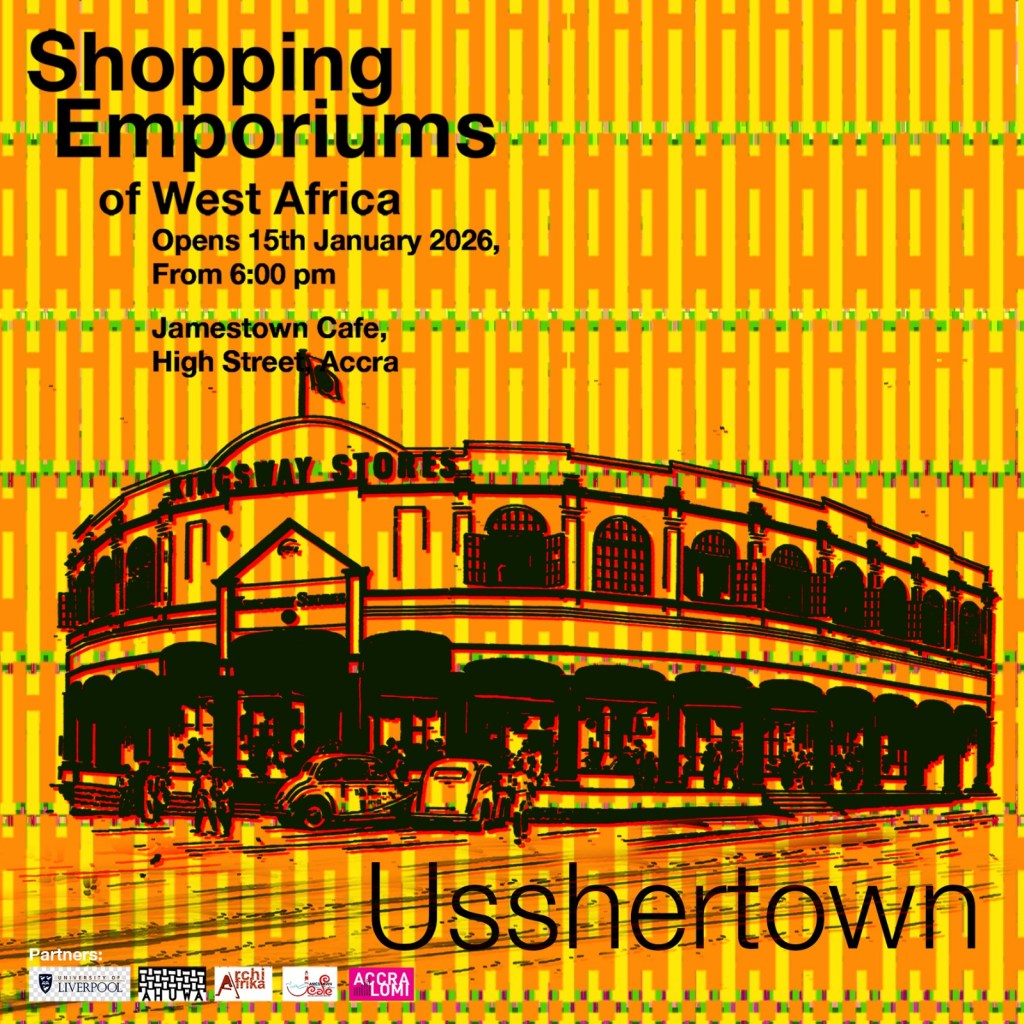
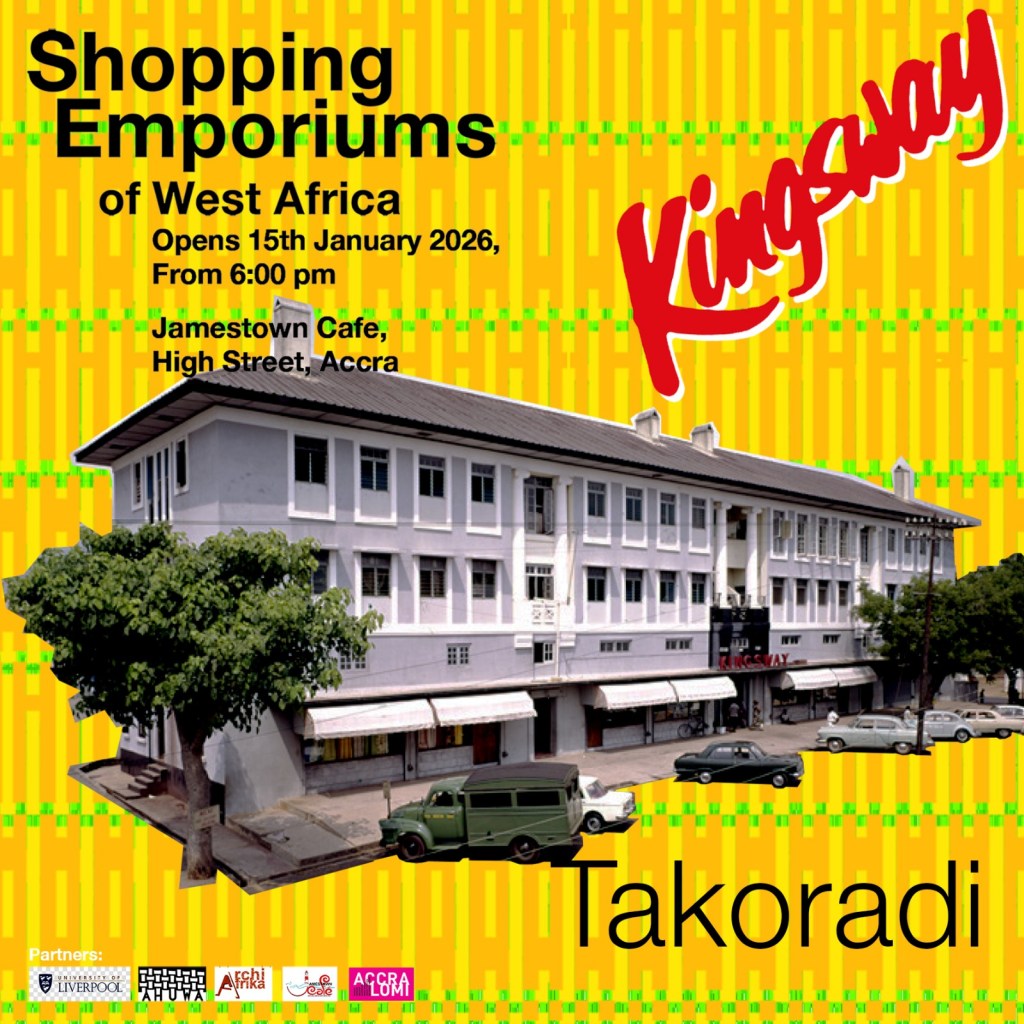
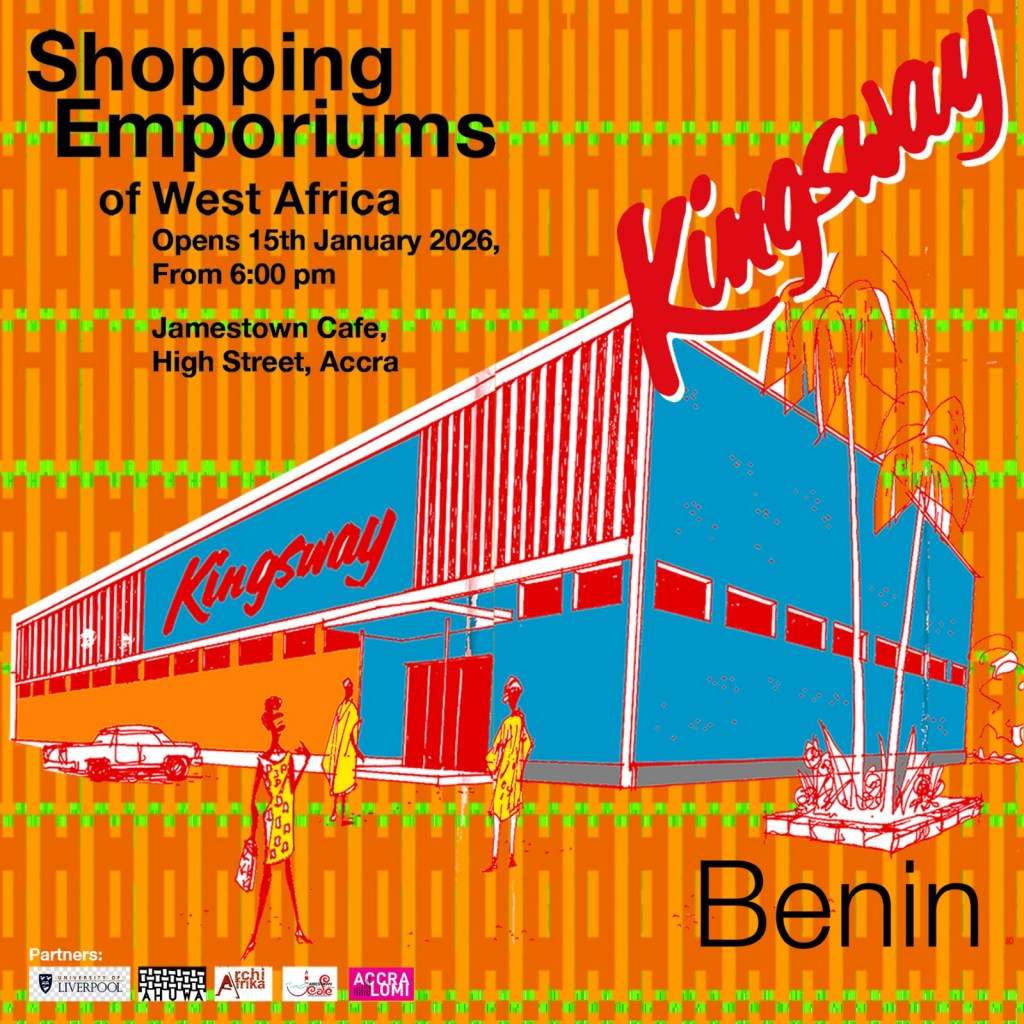
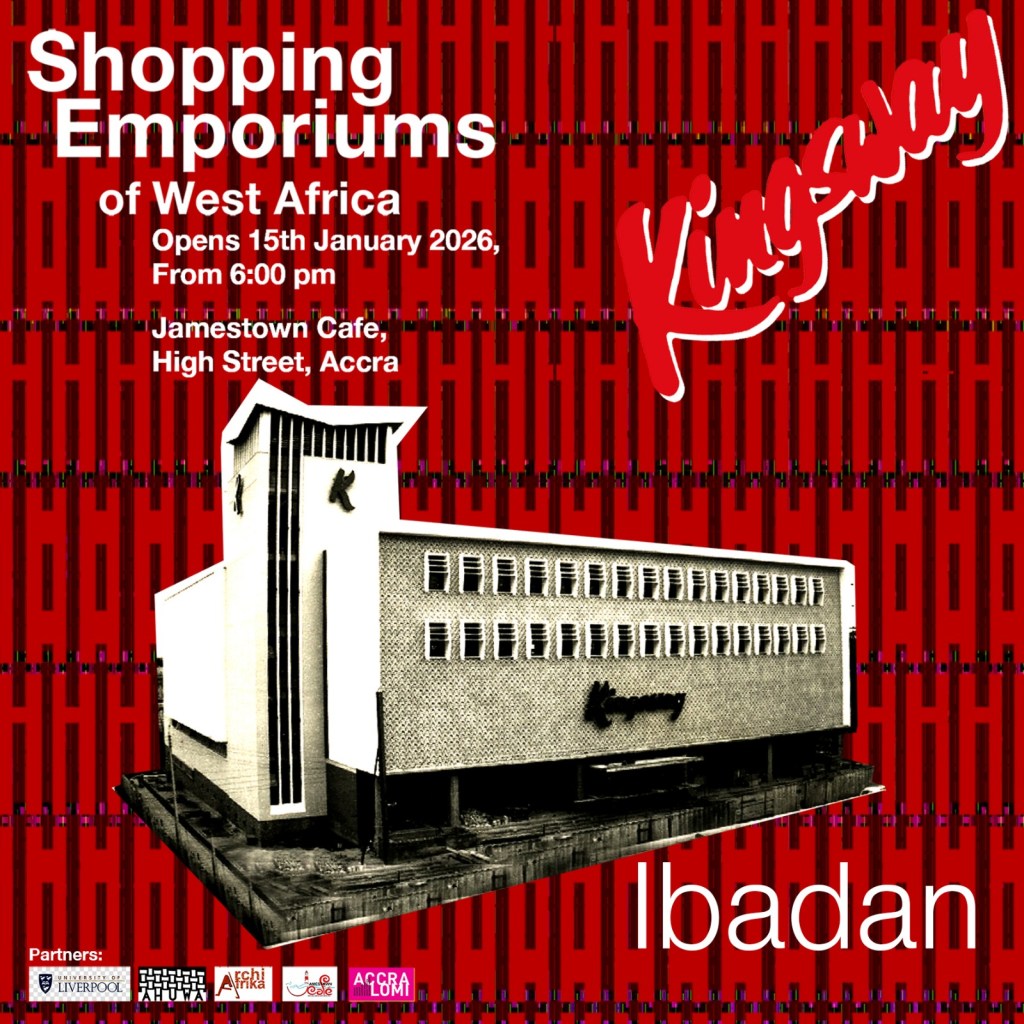
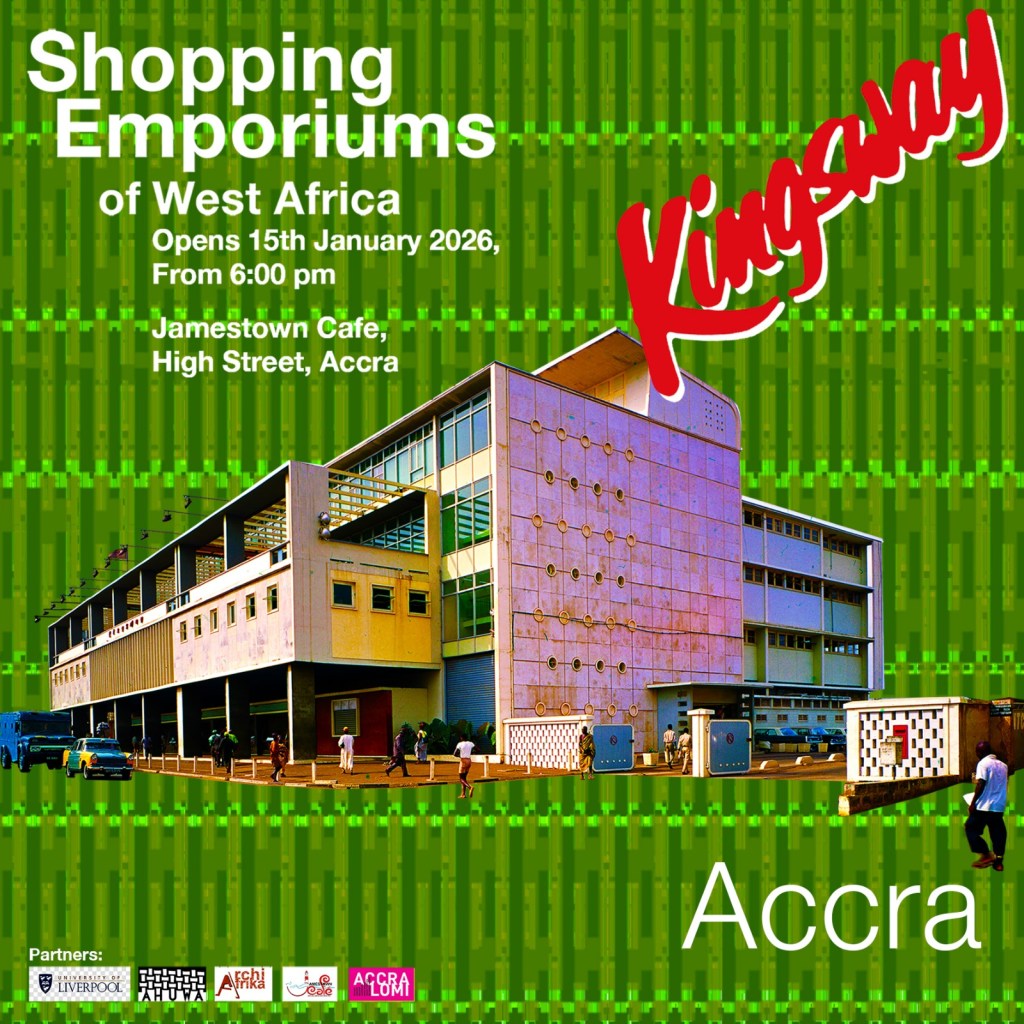
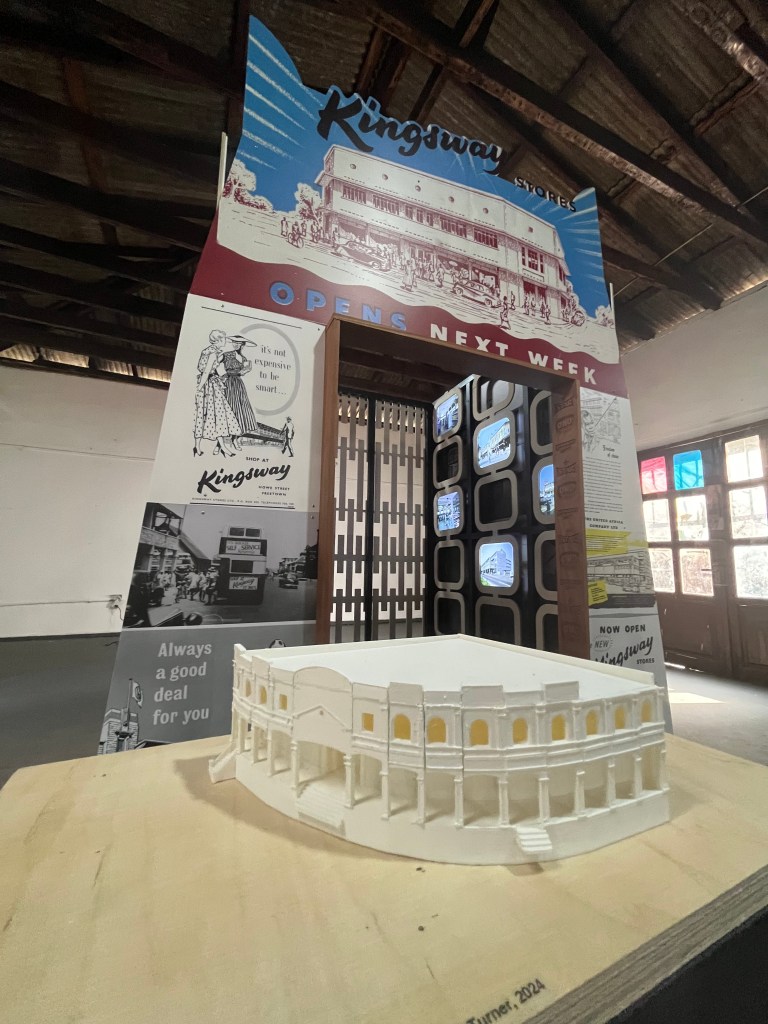
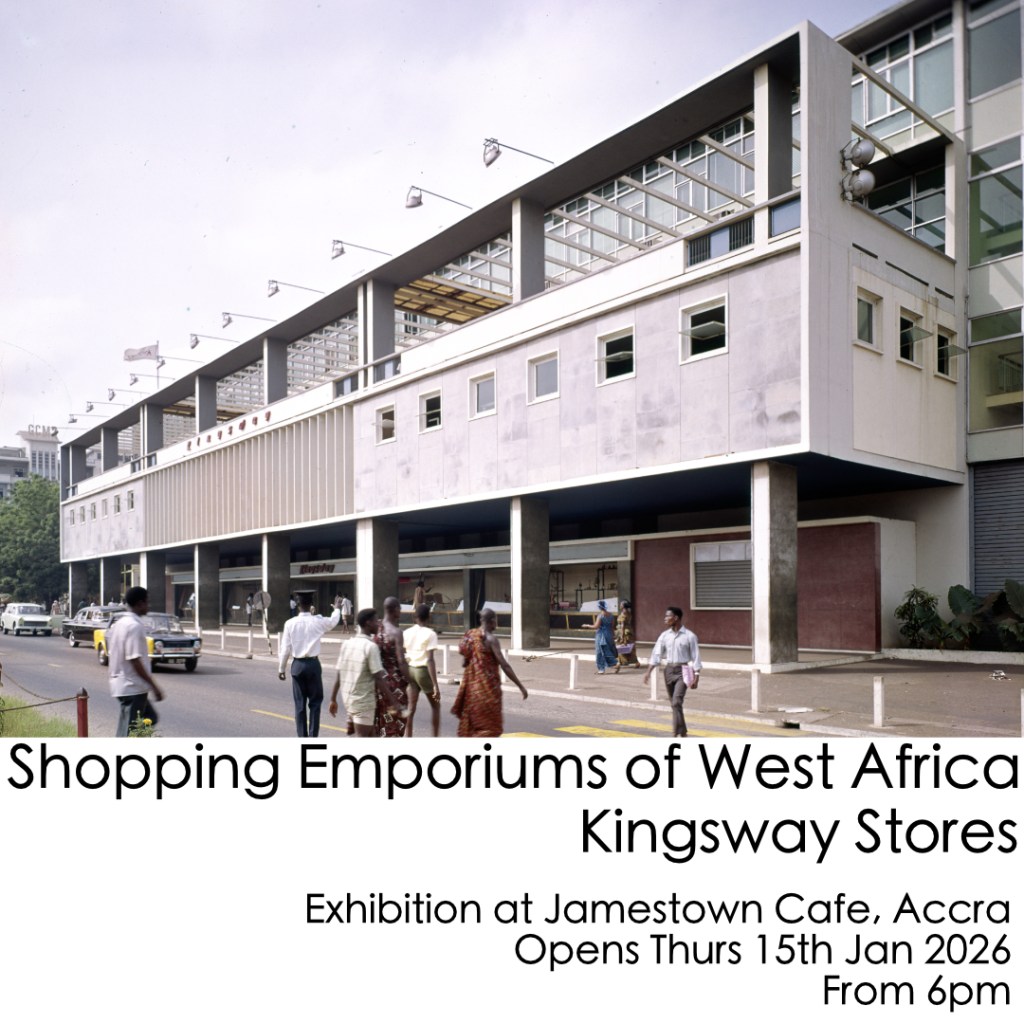
On 15th January, we celebrated the opening of “Shopping Emporiums of West Africa: The Kingsway Stores” at Jamestown Cafe and Gallery in Accra, marking a significant milestone in our ongoing research into the architectural and commercial legacy of the United Africa Company. The launch evening brought together an engaged audience including President of the Ghana Institute of Architects Tony Asare, Dr Abena Busia, and Ronnie Micallef, the incoming High Commissioner of Malta in Accra, for what proved to be a thought-provoking discussion about retail modernism, colonial commerce, and architectural heritage in West Africa. David Kojo Derban gave a wonderful opening talk to contextualise the exhibition, along with a wider welcome from cafe and gallery owner architect Joe Owusu Addo.

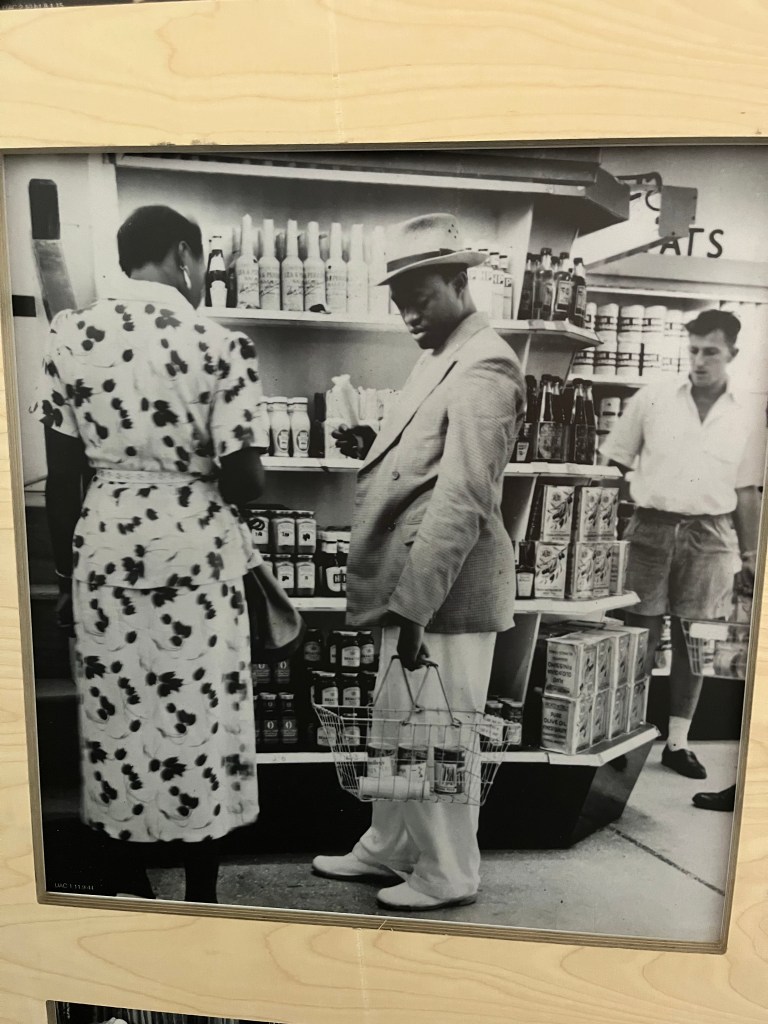
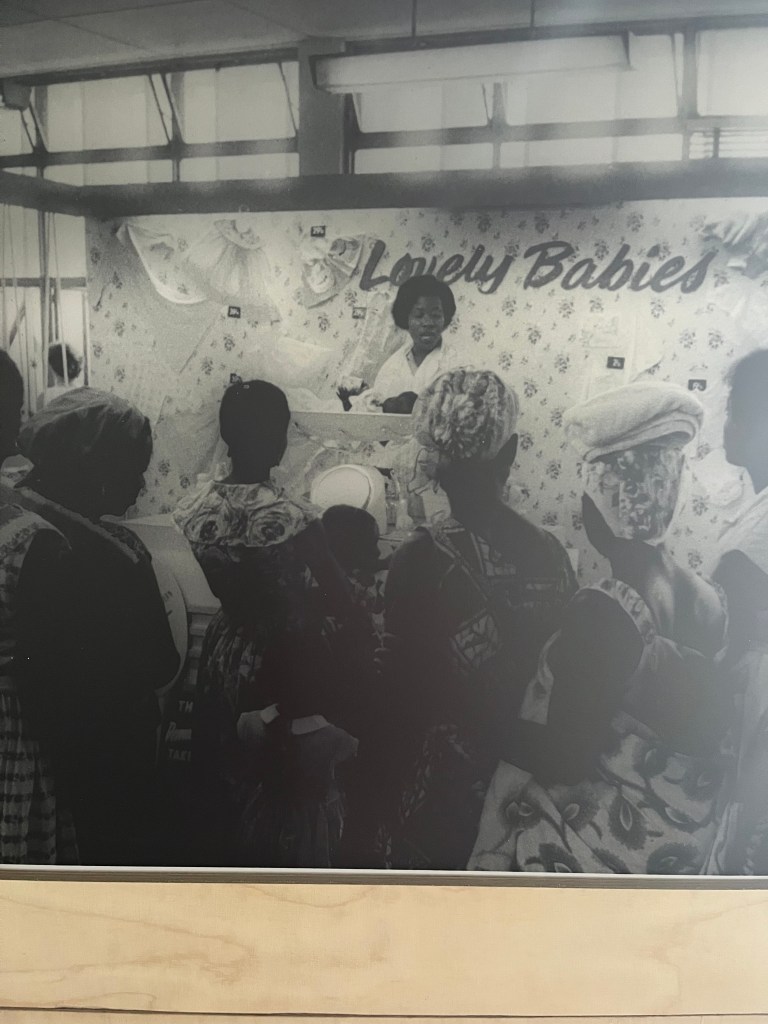
The exhibition represents the culmination of over 5 years of collaborative research examining the Kingsway department store chain, which operated across West Africa throughout much of the twentieth century. Working alongside Unilever archivist Claire Tunstall and colleagues Ewan Harrison, Rixt Woudstra, Paul Robinson, and Michele Tenzon, we’ve traced the fascinating story of these iconic shopping emporiums from their inception through the independence periods of West Africa and beyond.

This work forms part of our broader investigation into the United Africa Company, published last year by Bloomsbury as “Architecture, Empire, Trade.” In our recent Journal of Design History article, co-authored with Ewan Harrison, Irene Appeaning Addo, and Oluwaseun Muraina, we wrote that “Kingsway responded to independence by instrumentalizing a particularly modernist domesticity through a series of didactic marketing efforts and the construction of boldly modernist new stores.” The article reveals how these stores weren’t simply places of commerce but architectural statements where “modernism is here revealed as complexly imbricated with colonial and neocolonial profit-seeking.”

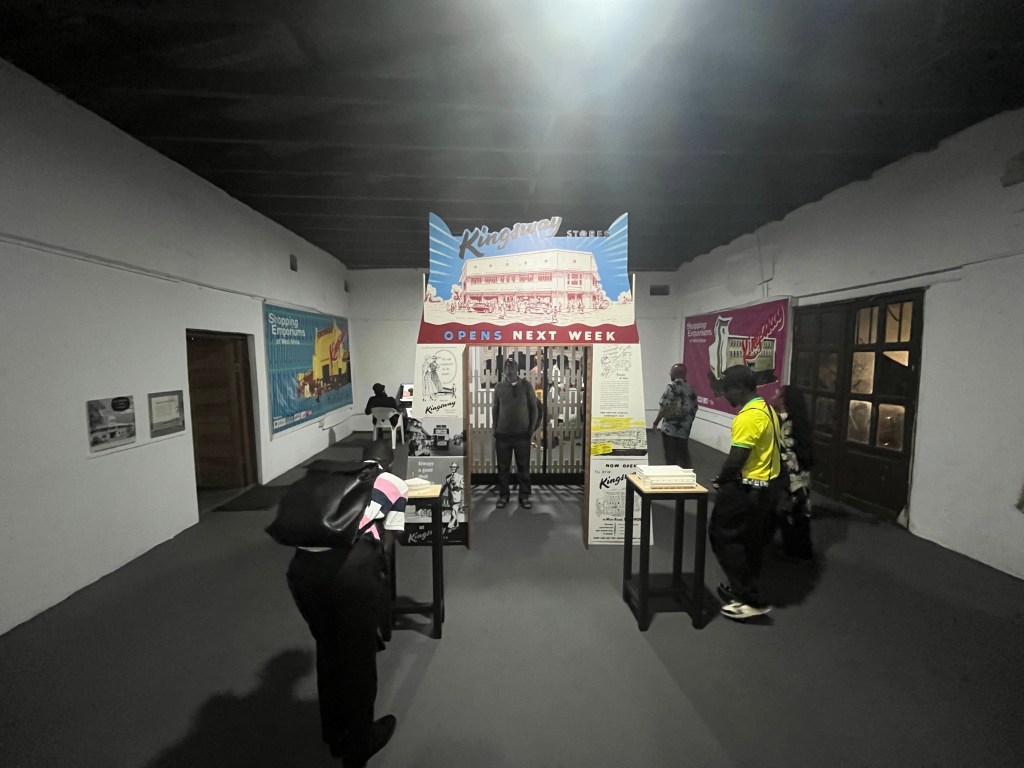
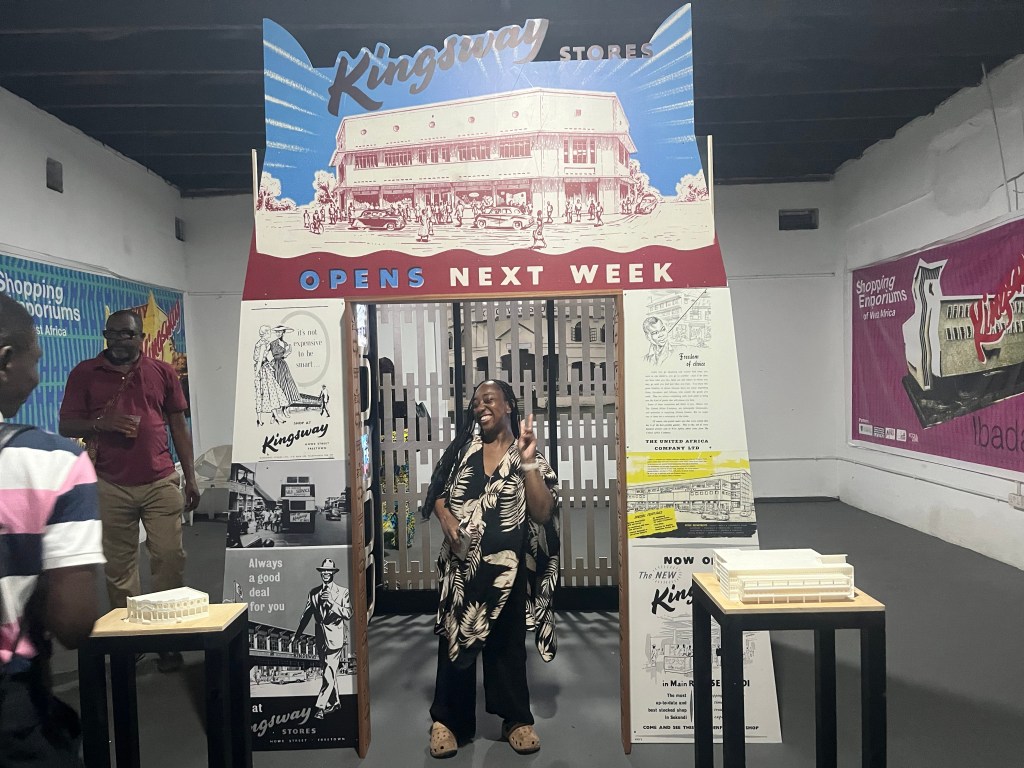
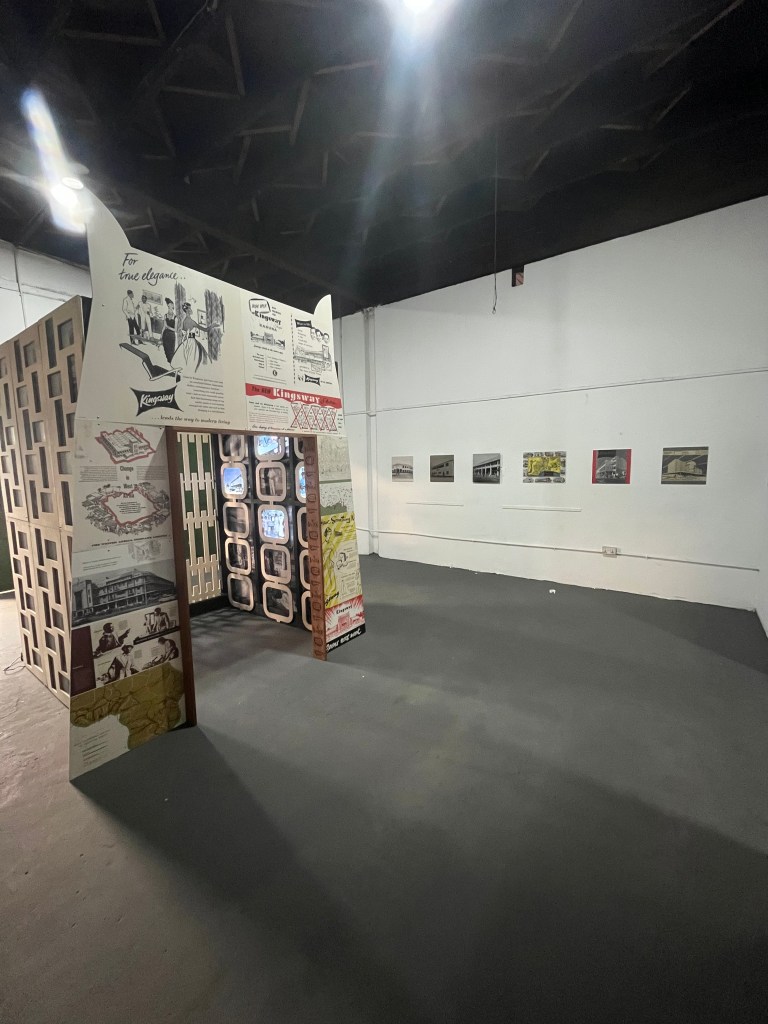
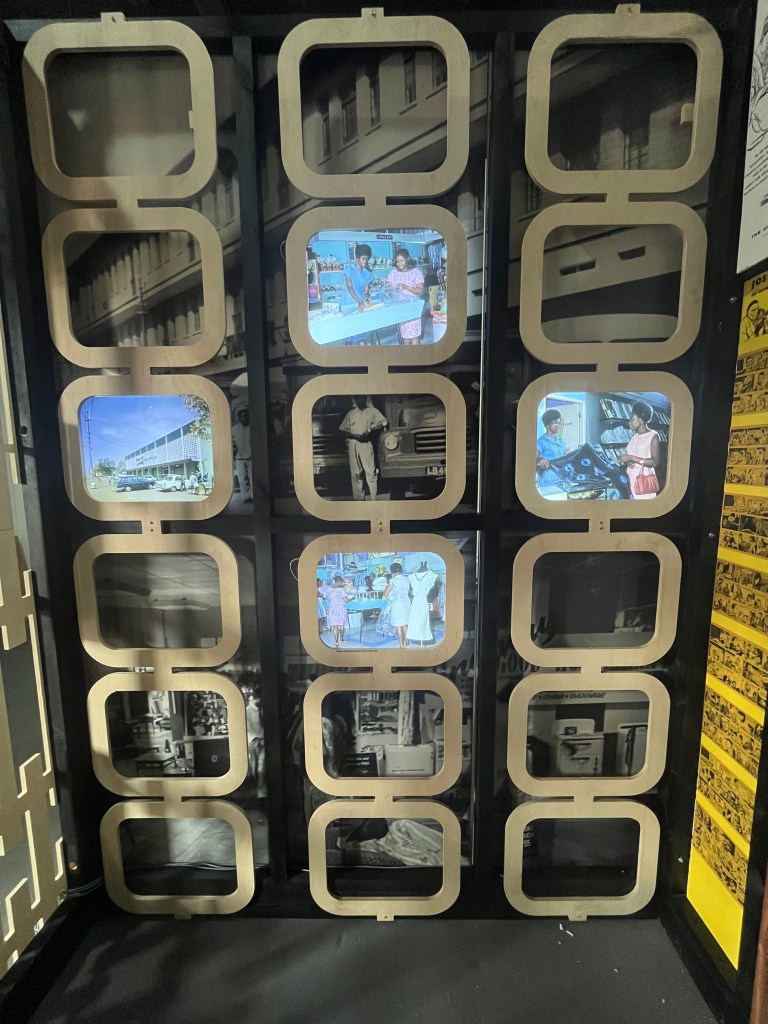
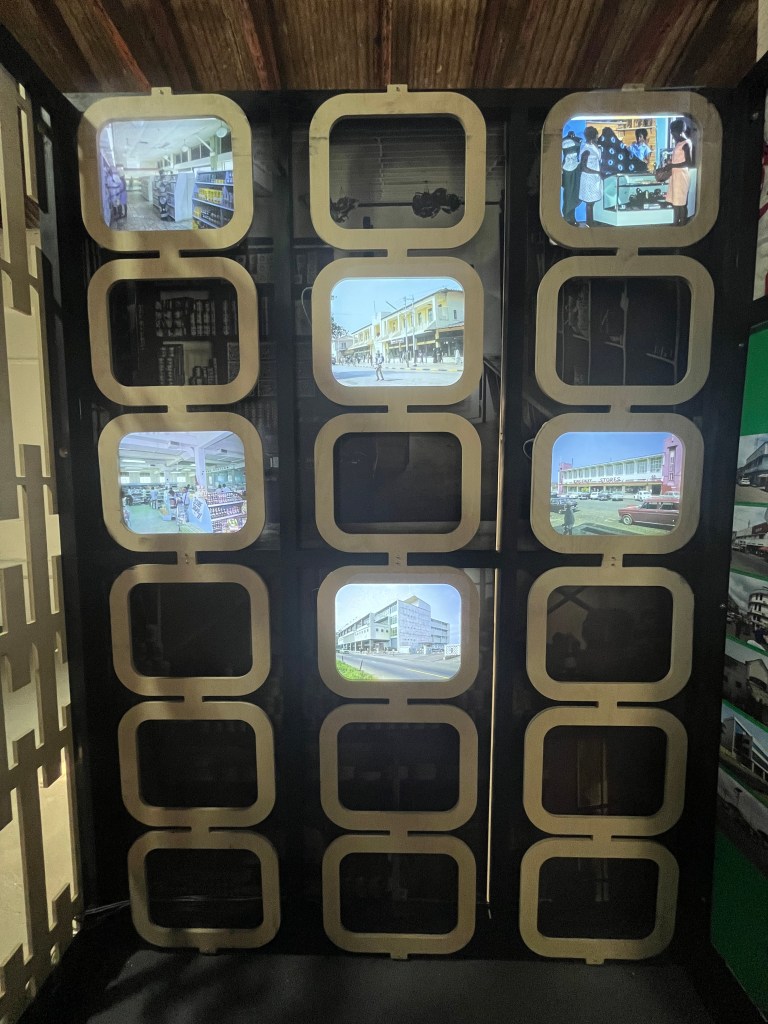
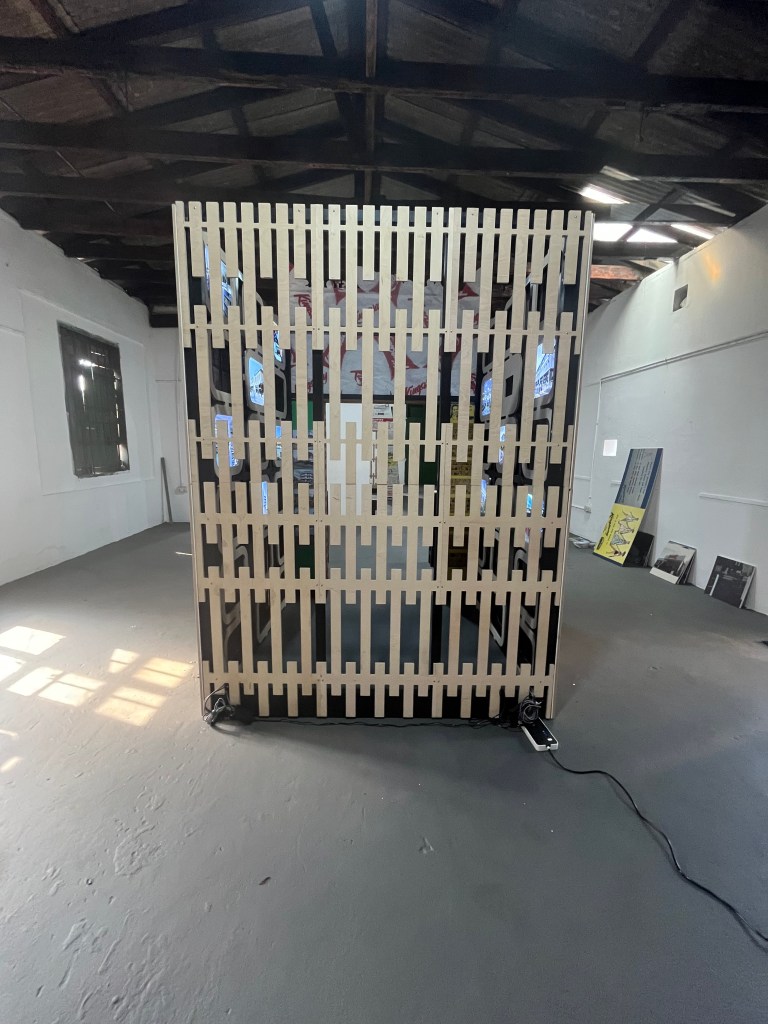
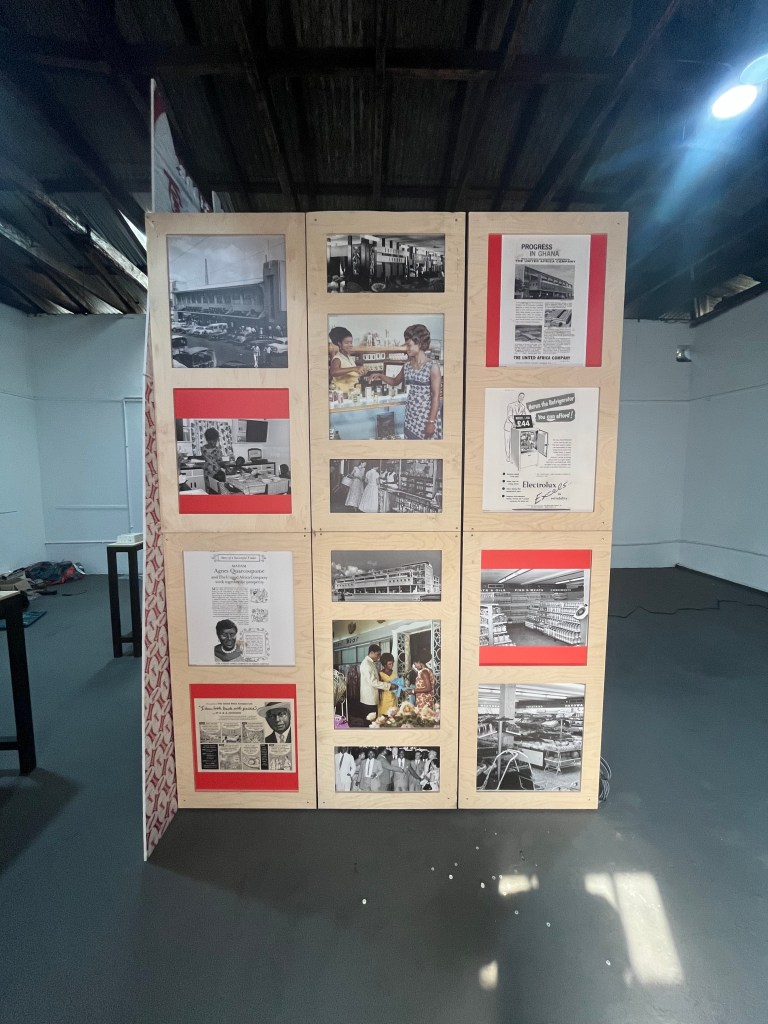
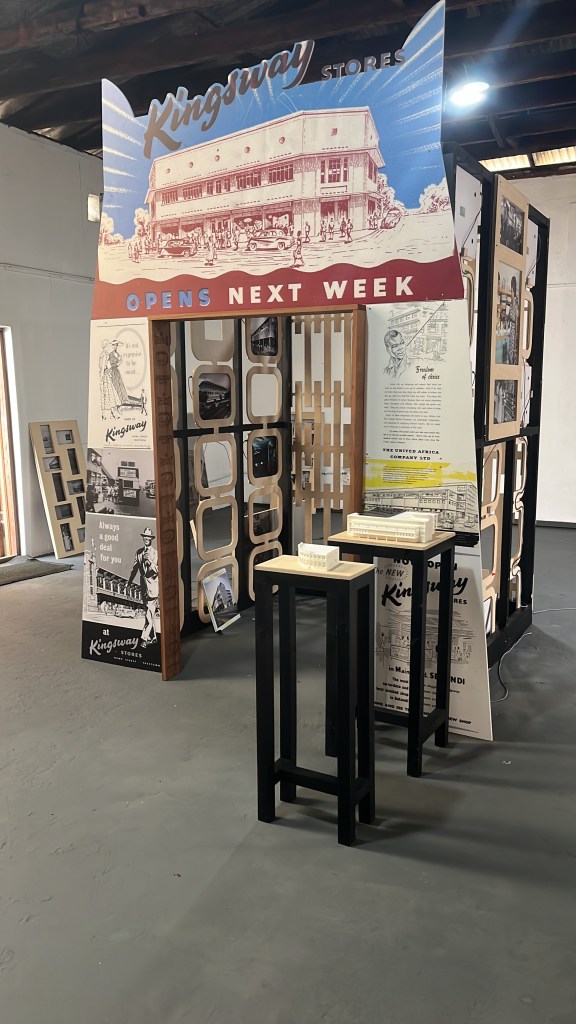
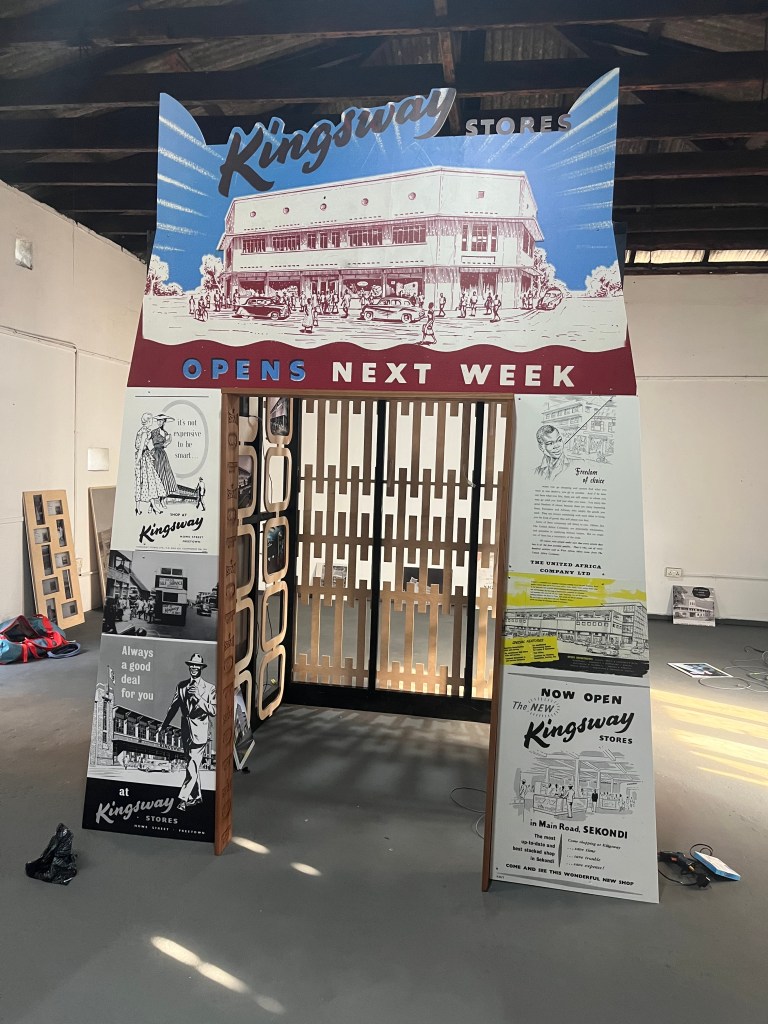
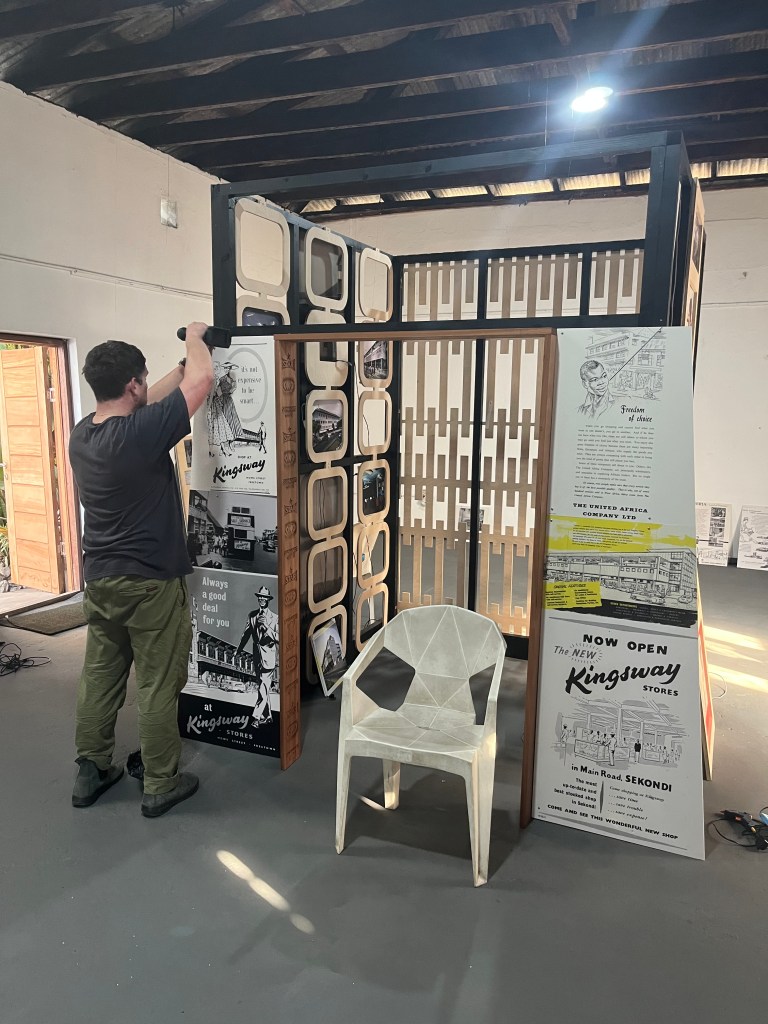
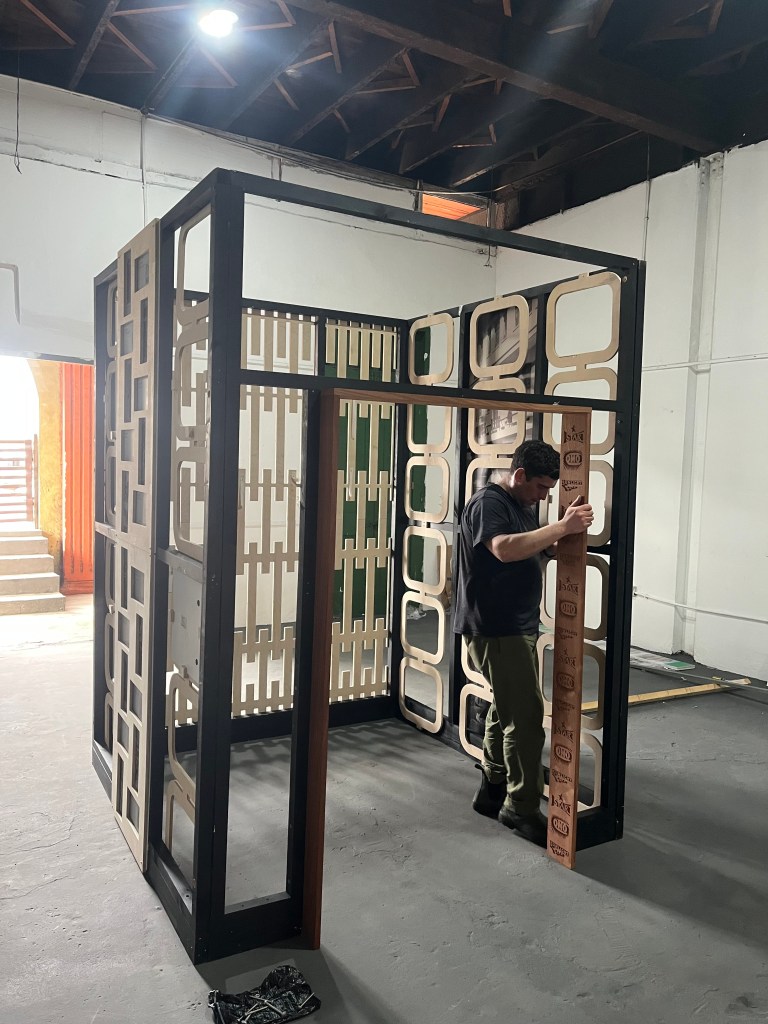
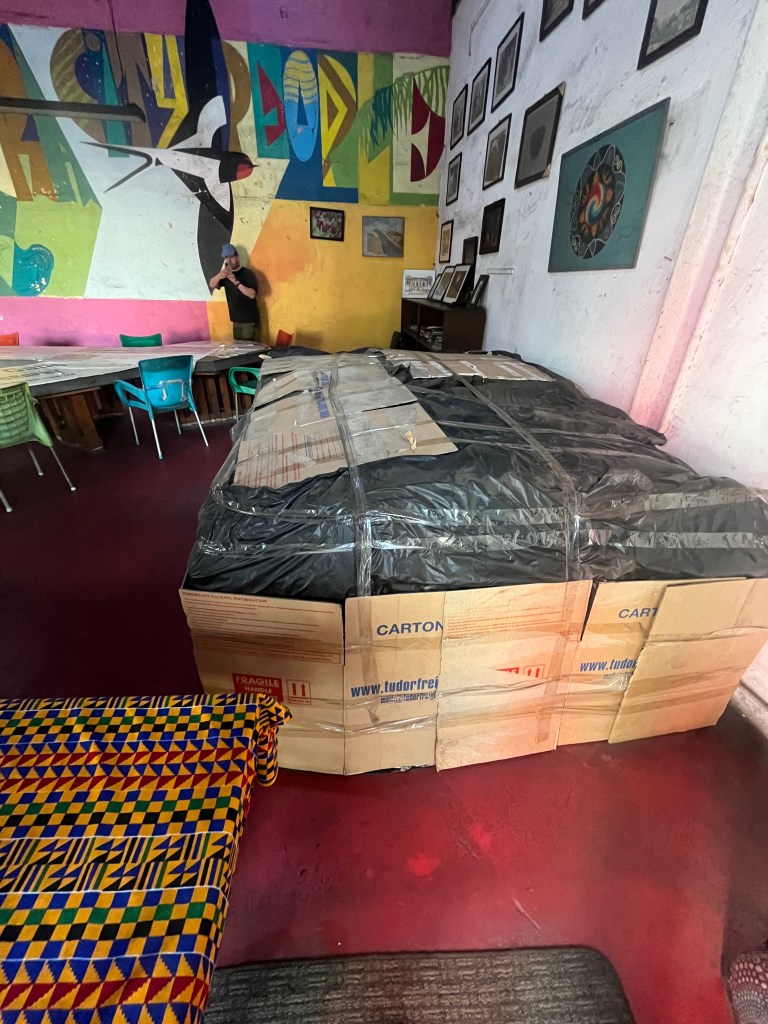
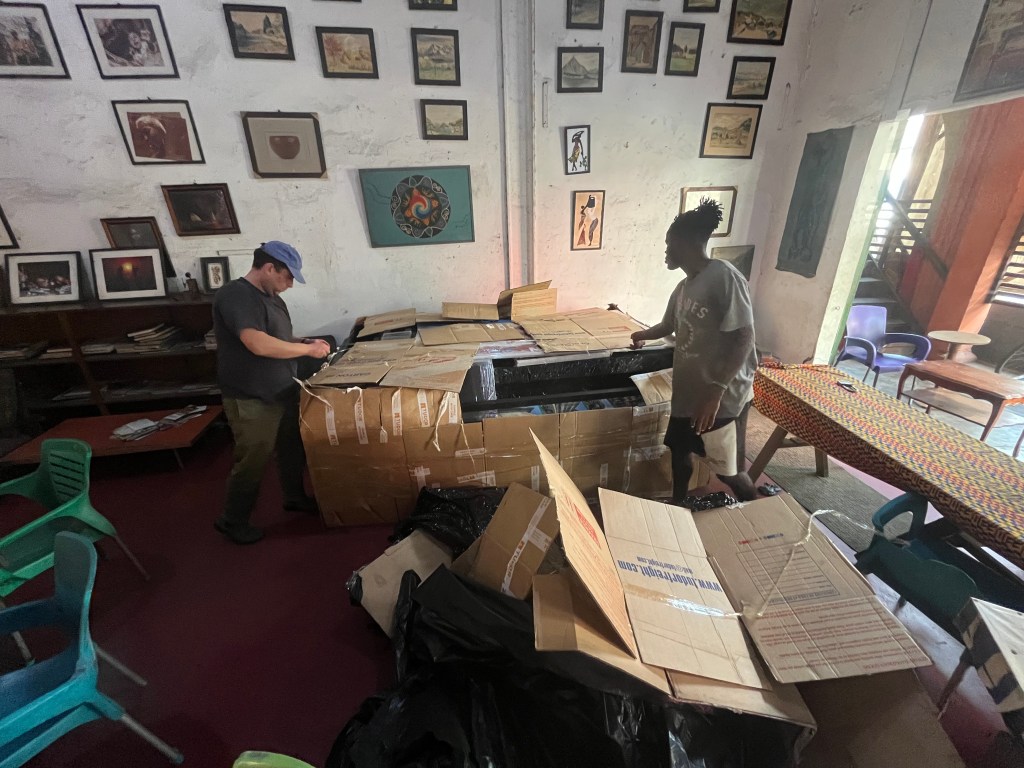
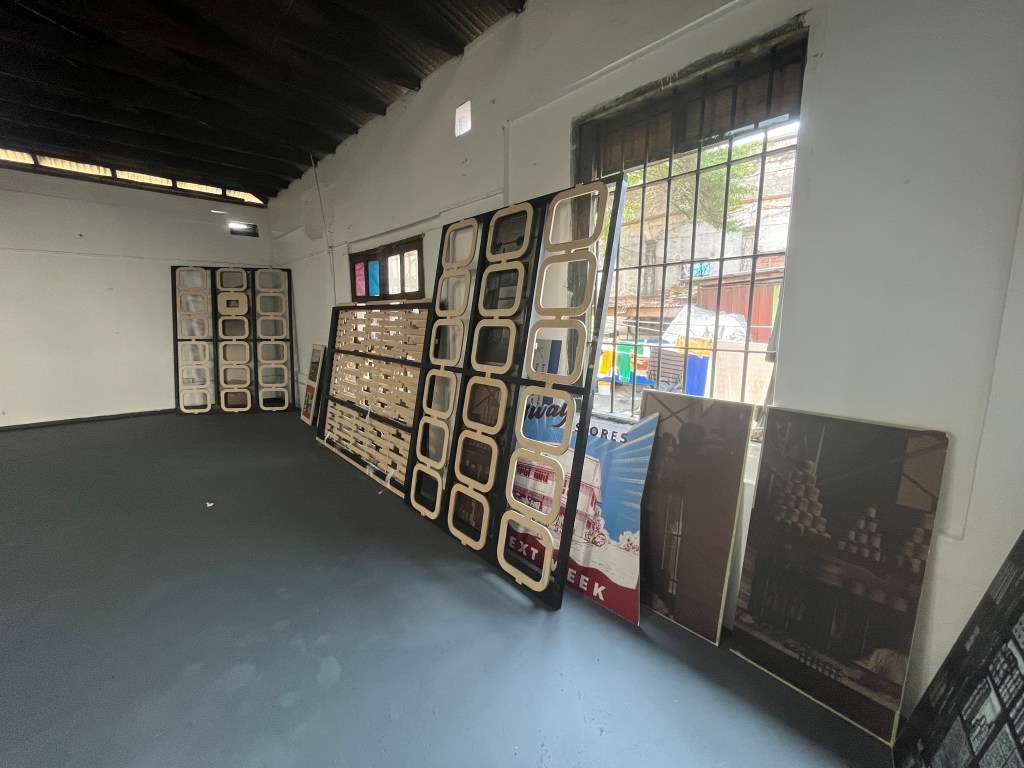
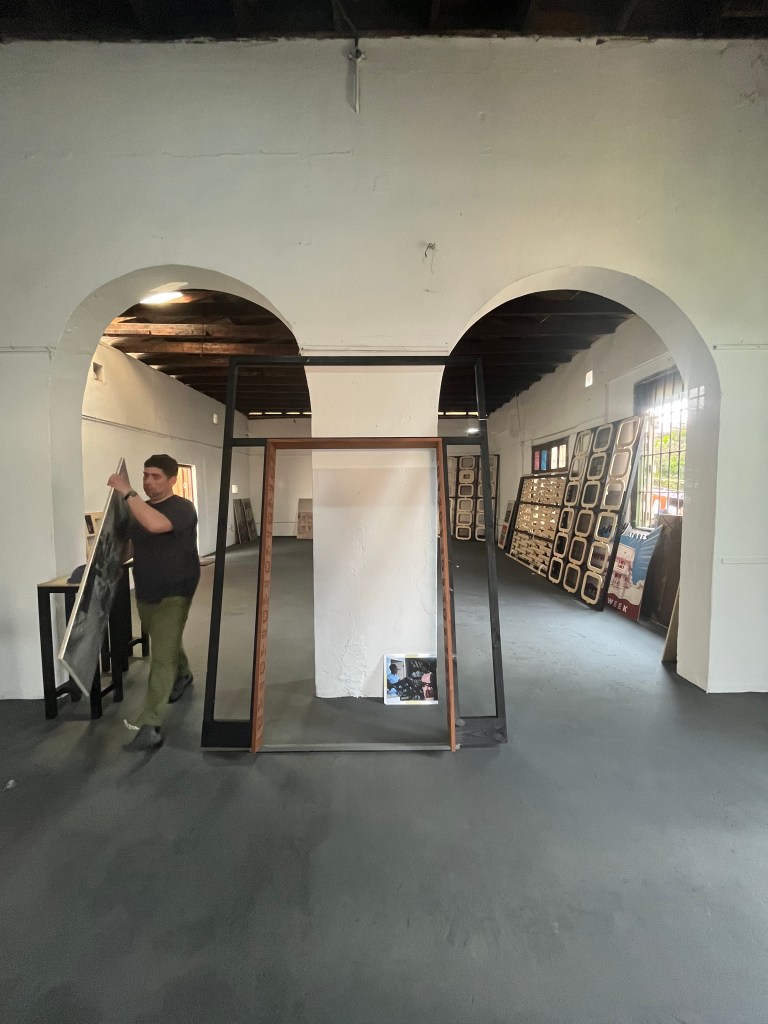
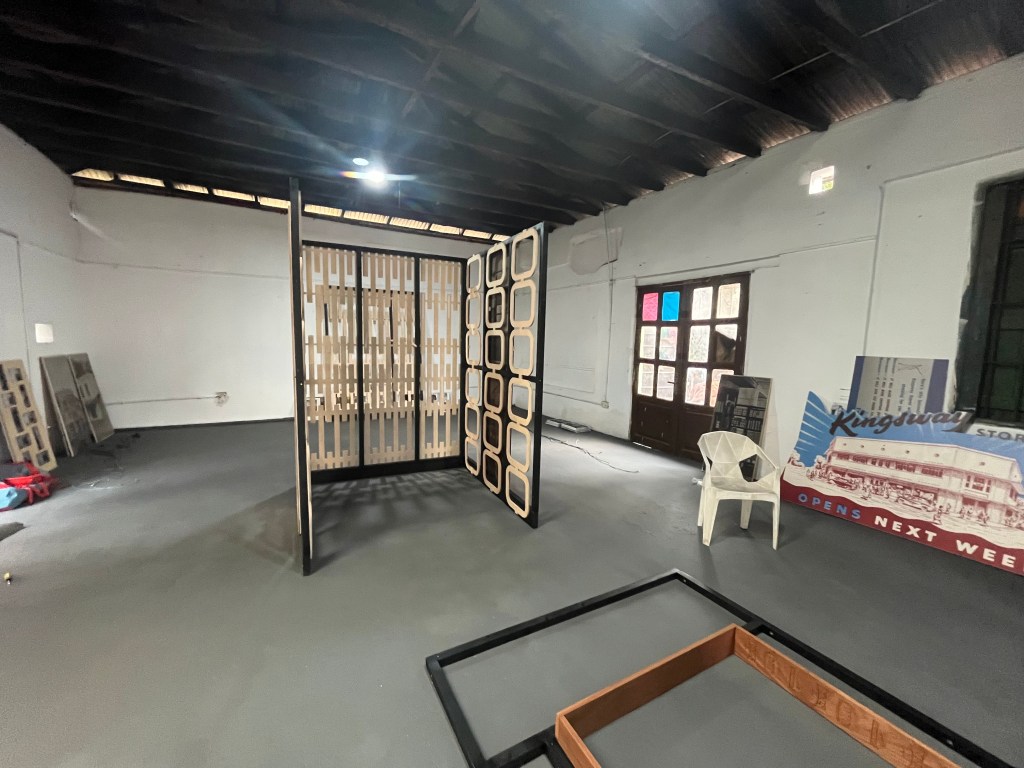
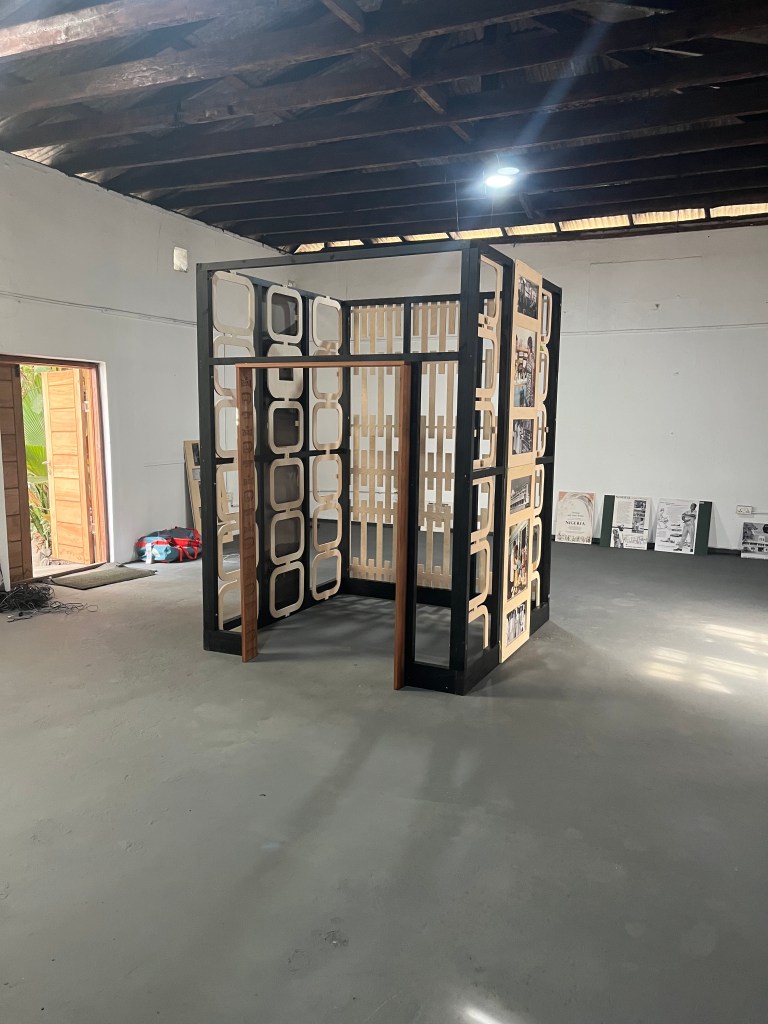
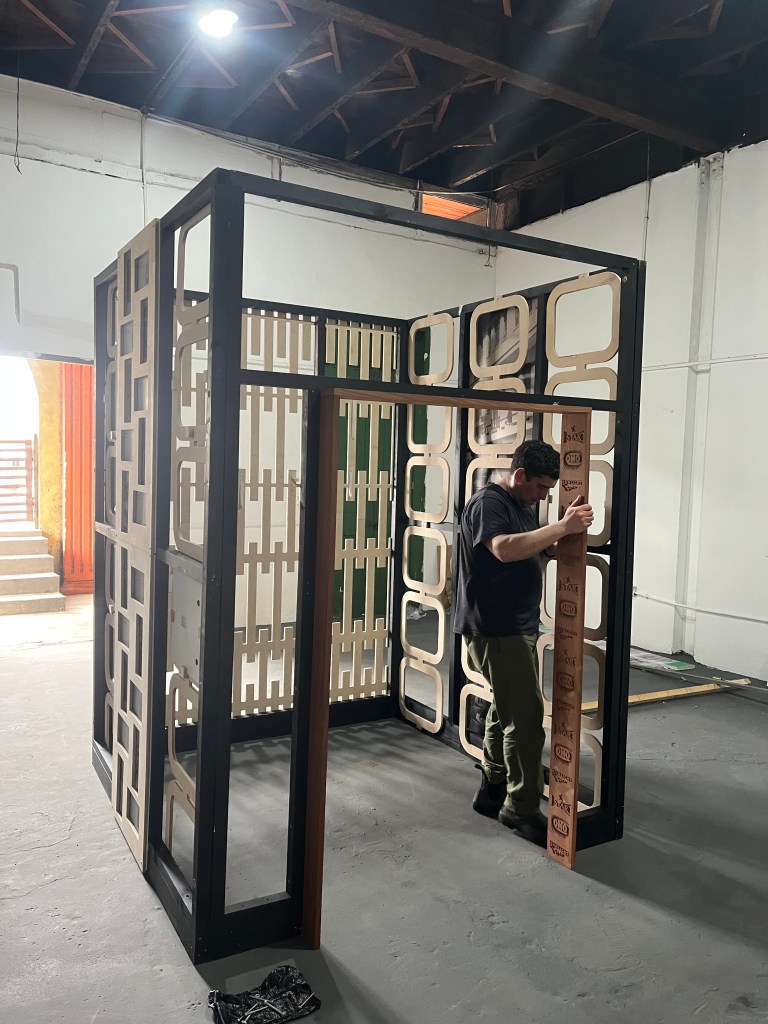
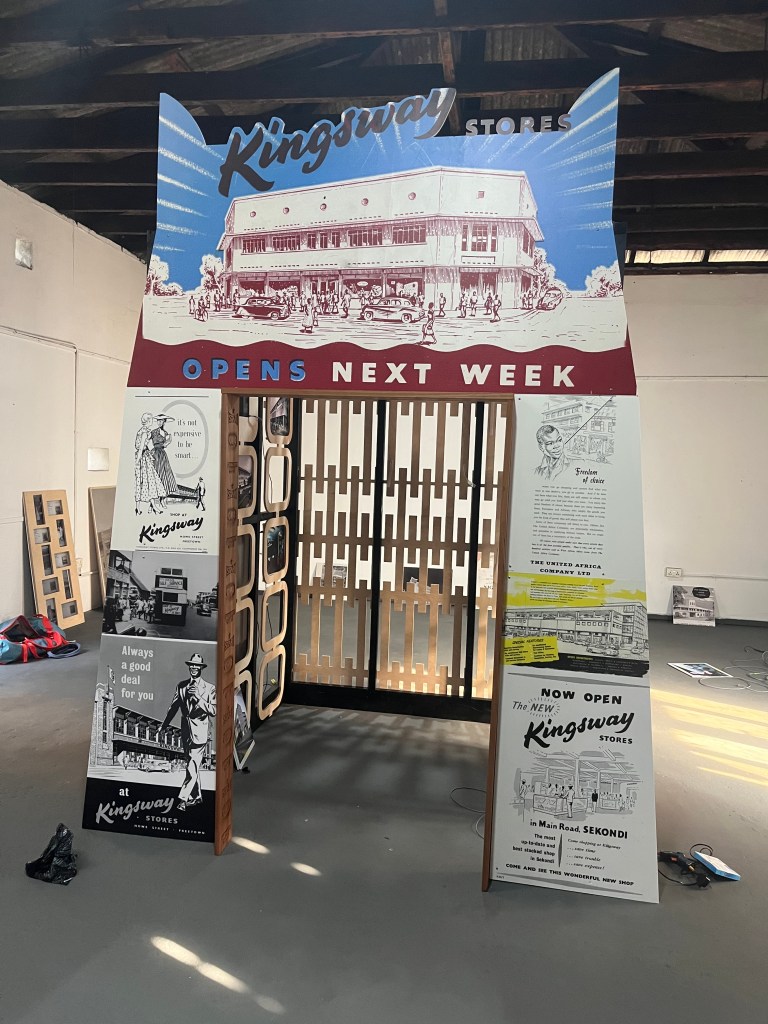
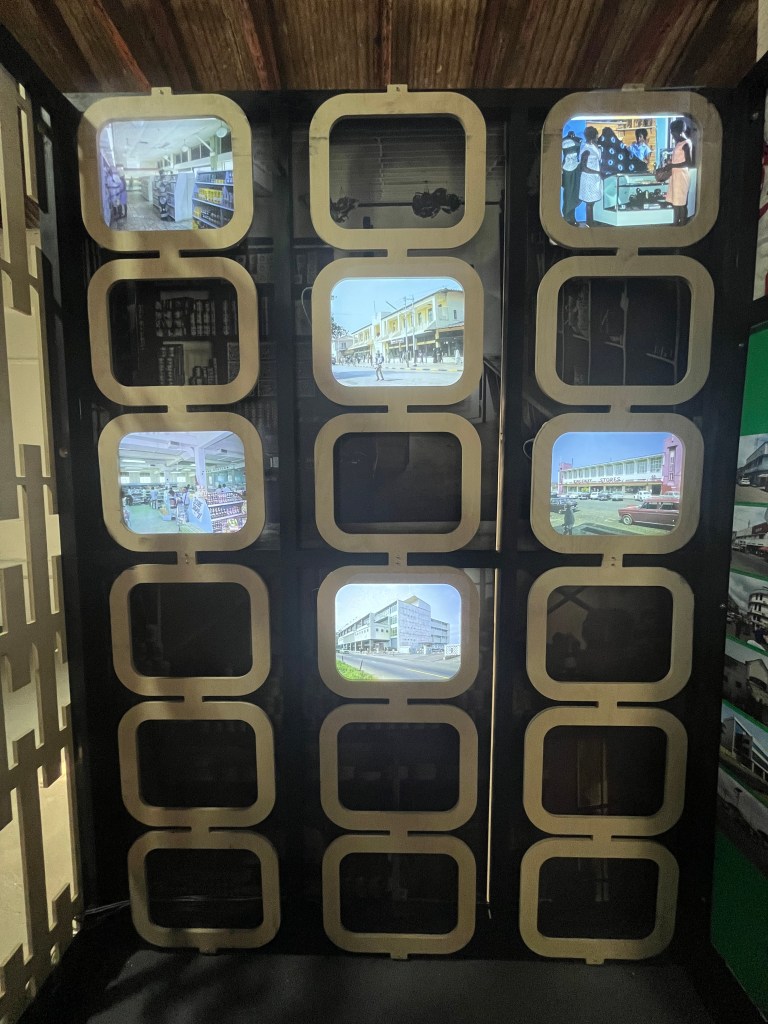
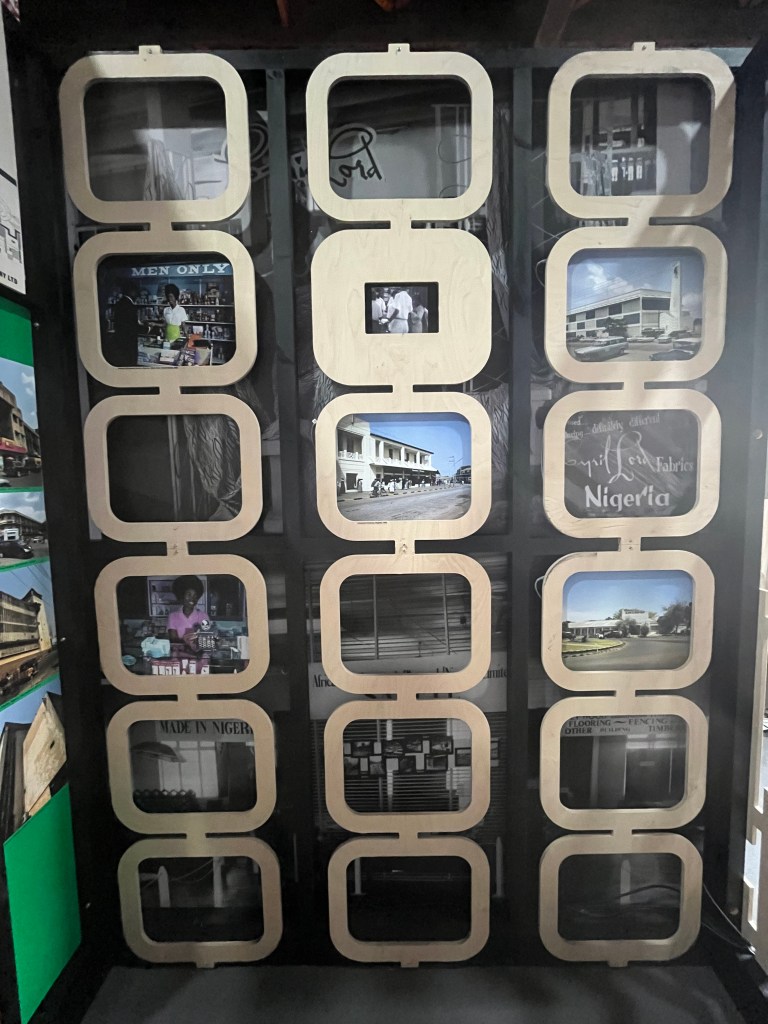
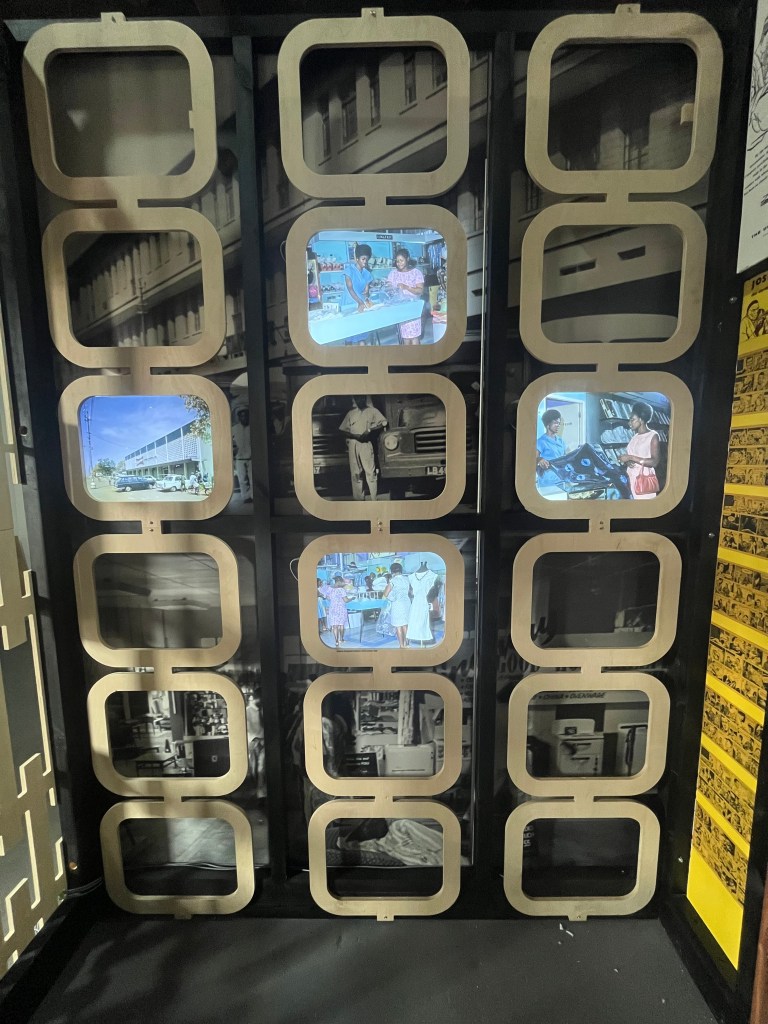
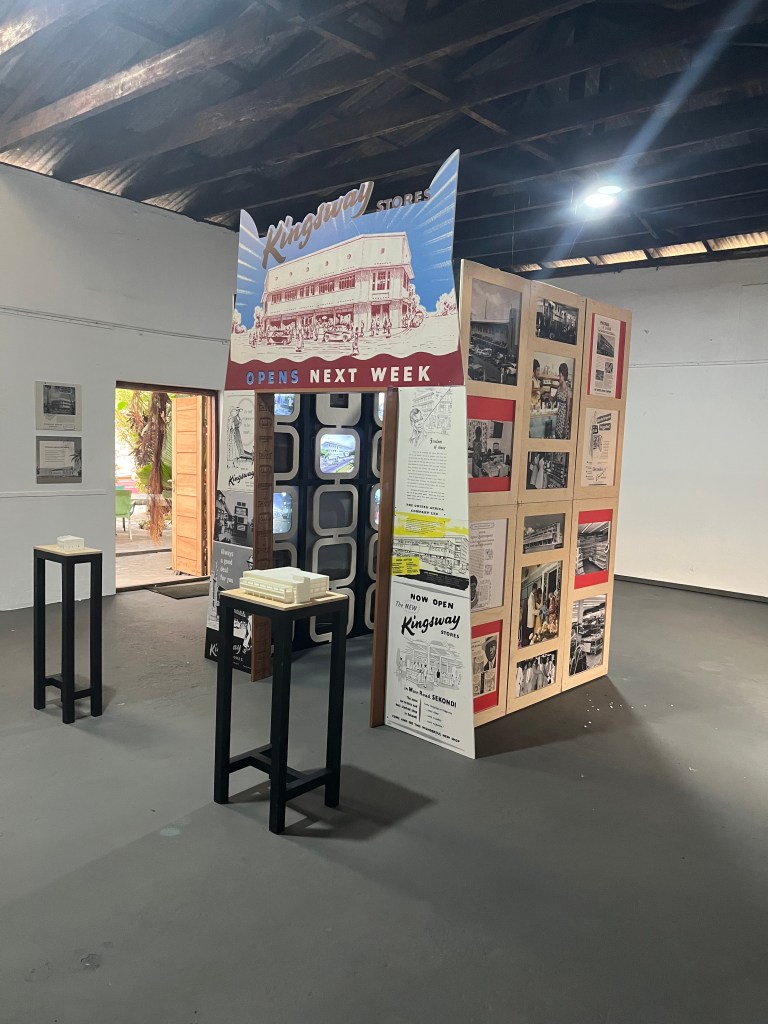
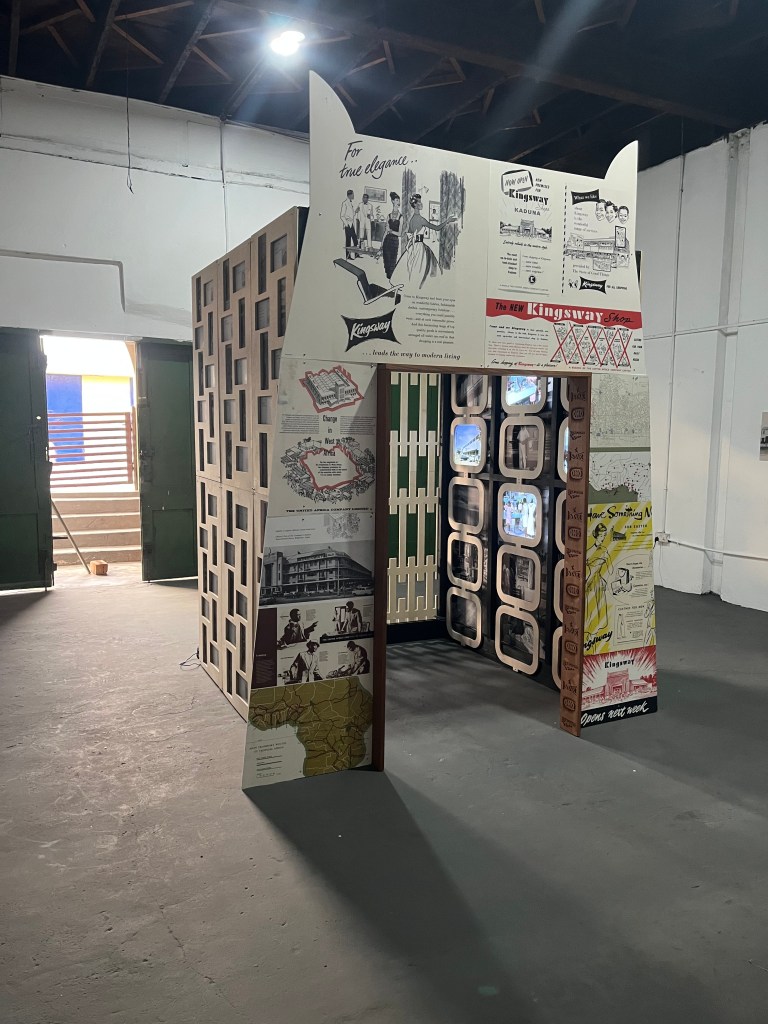
The exhibition itself has journeyed from Liverpool to Ghana, carefully packed and stored at Jamestown Cafe before being installed in early January. Two freestanding pavilions display archival photographs from the Unilever Archive, accompanied by newly commissioned 3D-printed models created by Liverpool School of Architecture students and archival films that bring the stores’ bustling atmosphere to life. The pavilions themselves, fabricated using CNC routers by our expert technical team at Liverpool lead by James Galliford, echo the modernist architectural language of the stores they document.

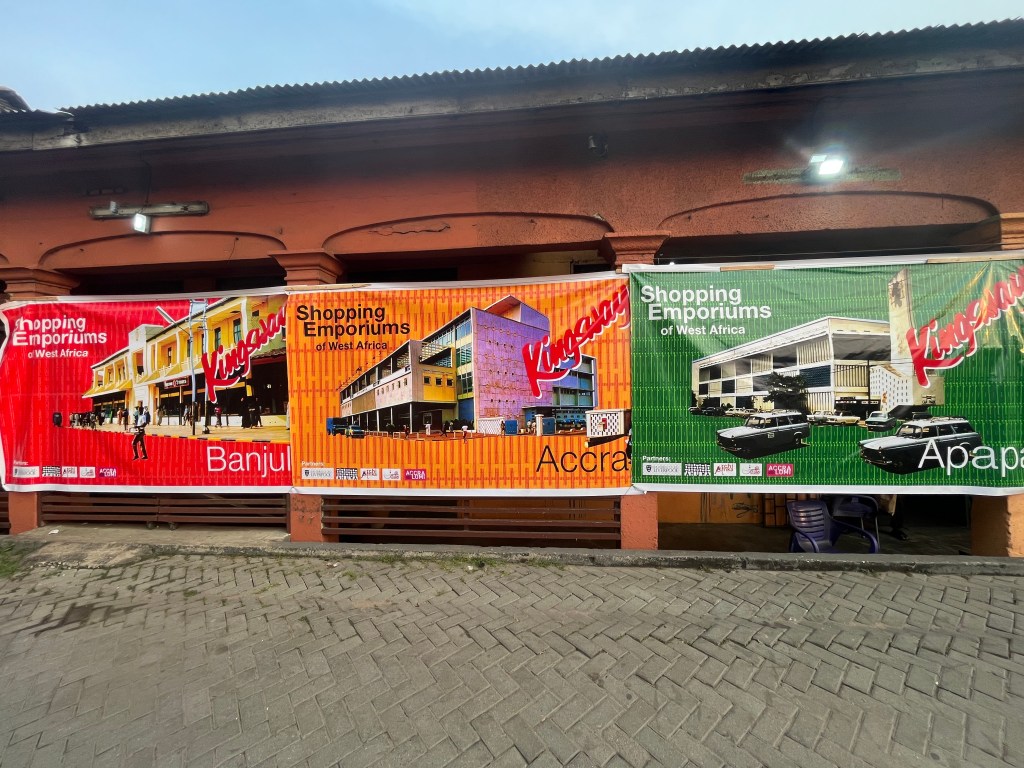
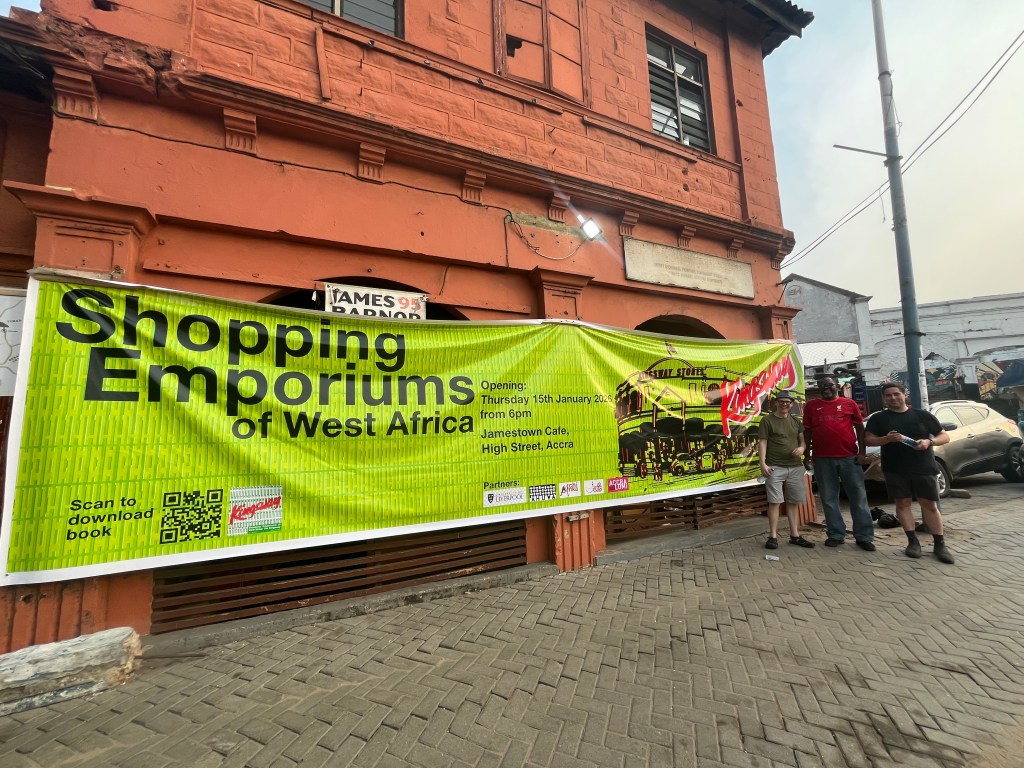
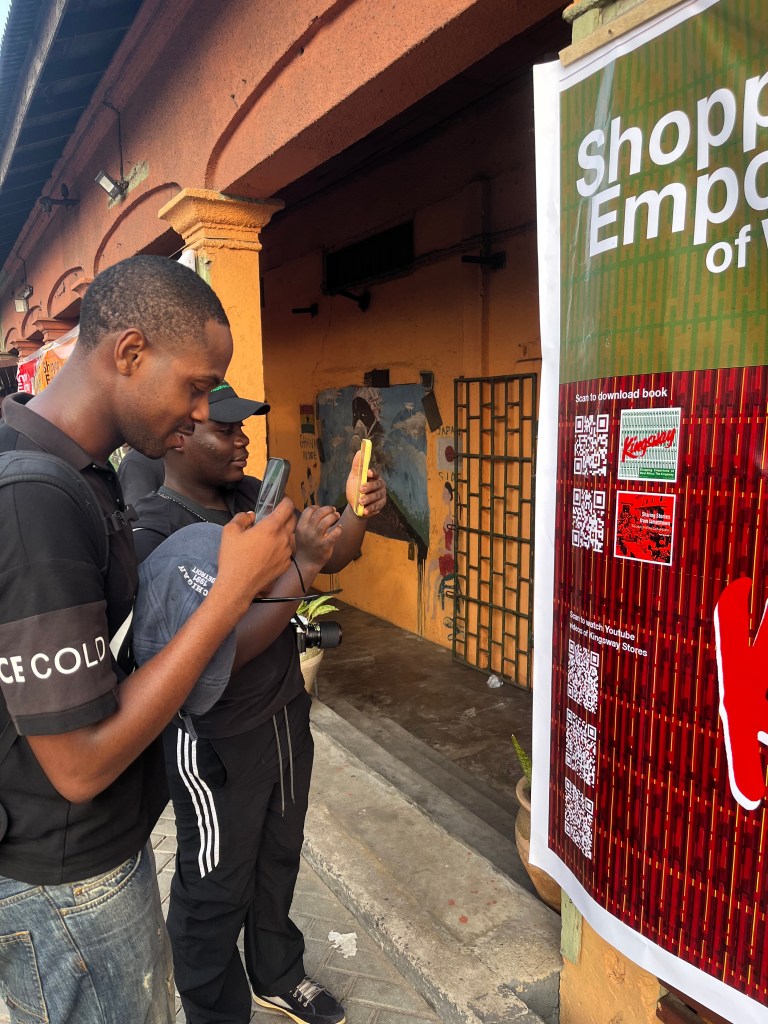
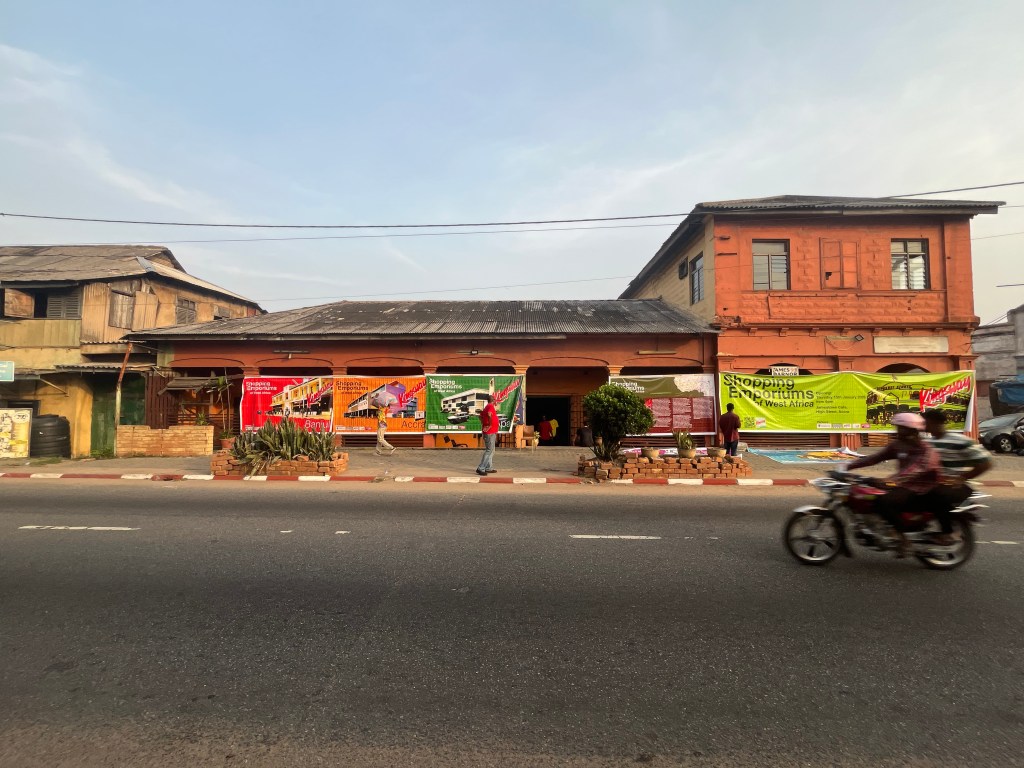
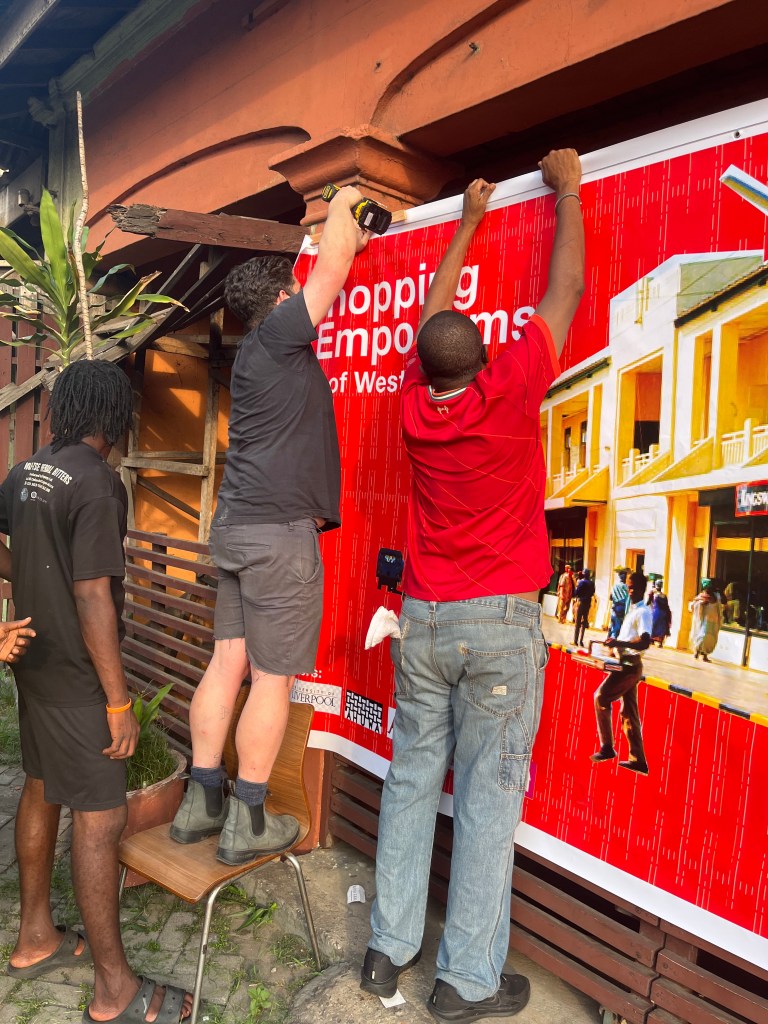
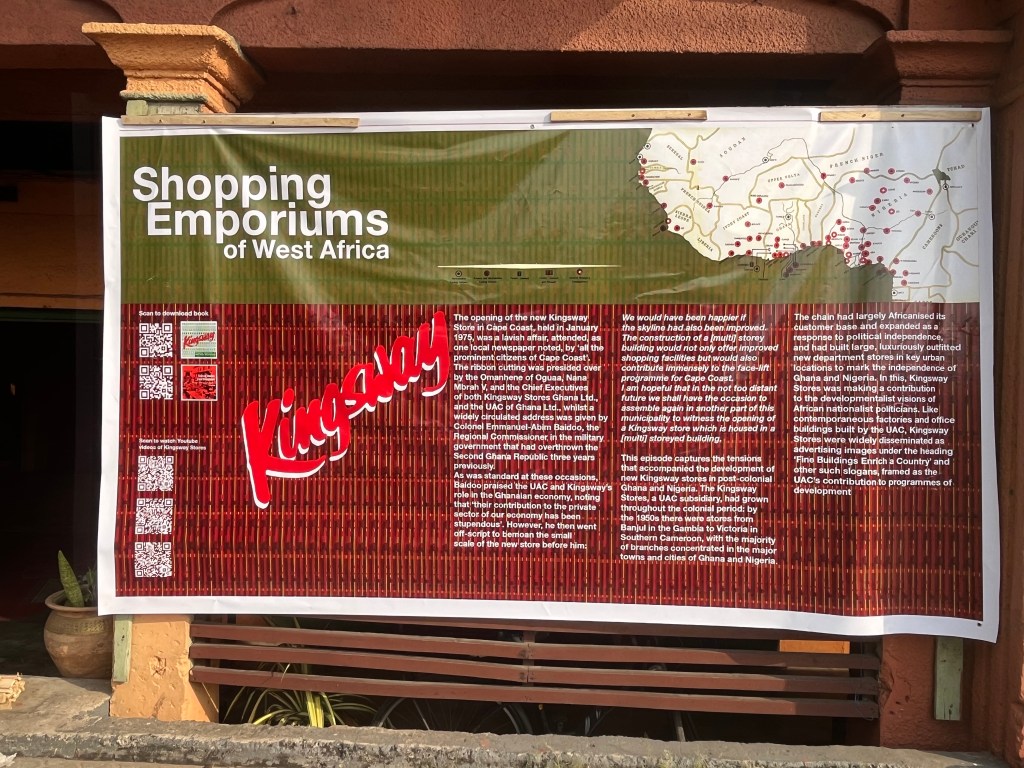
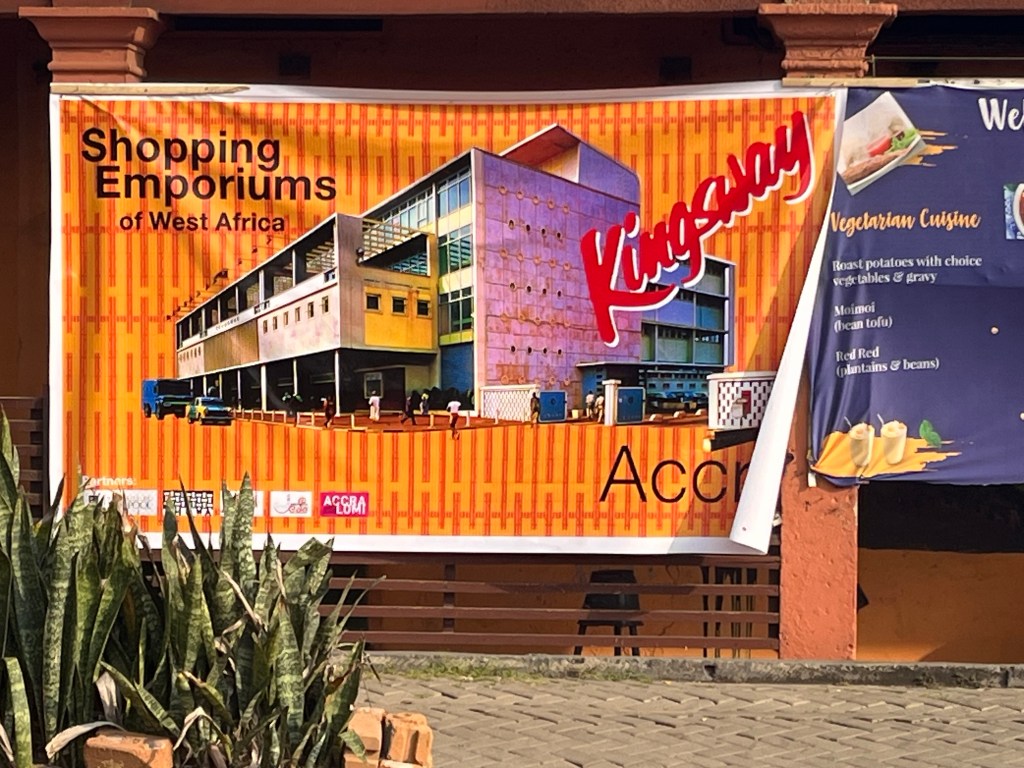
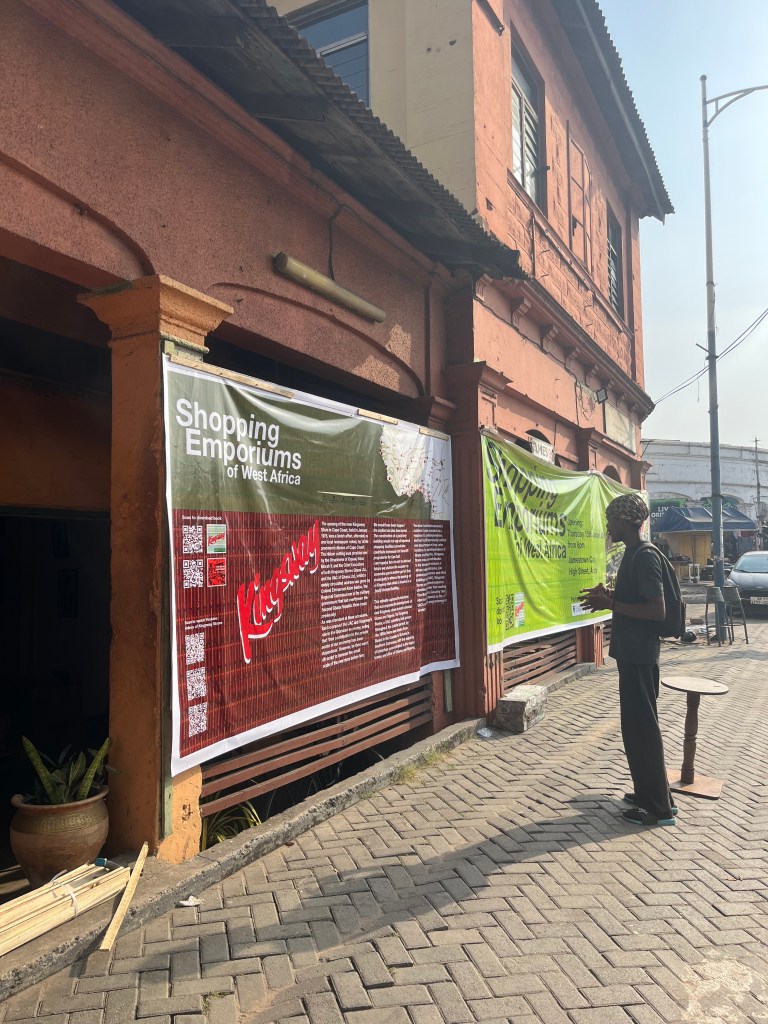
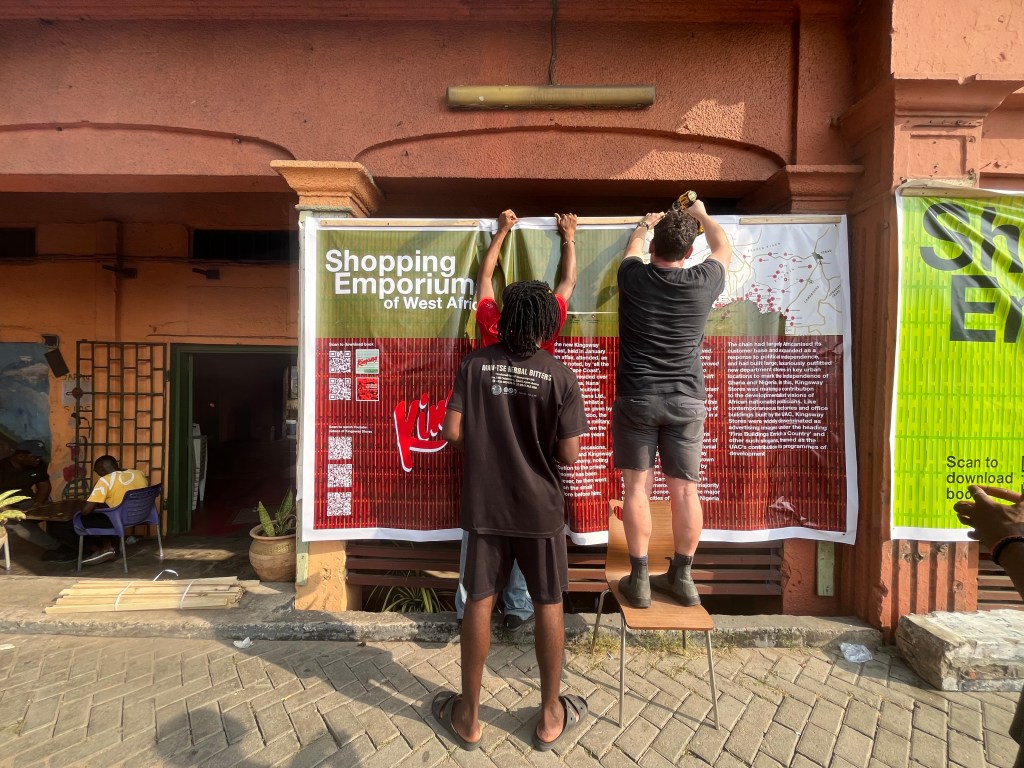
What makes presenting this exhibition in Accra particularly meaningful is the opportunity to share this research in the very city where the first Kingsway store stood. The ruins stand next door to the gallery – a poignant reminder of this commercial and architectural heritage. Through collaboration with Allotey Bruce Konuah, we’ve extended the exhibition beyond the gallery walls with vinyl street banners installed on both the gallery exterior, creating a dialogue between past and present. The banners also contain QR codes so visitors and passers-by can freely download the catalogue.

Our commitment to sharing this research extends beyond this single exhibition. We were interviewed on Asaase Radio morning show and it was great to share our work with a broader audience across Ghana. Following the exhibitions run in Accra through to Easter, we hope to tour the exhibition to other venues, continuing the conversation about how retail modernism, colonial commerce, and architectural heritage intersect. This exhibition reminds us that architecture is never merely about buildings; it’s about the economic, social, and political systems that produce them.

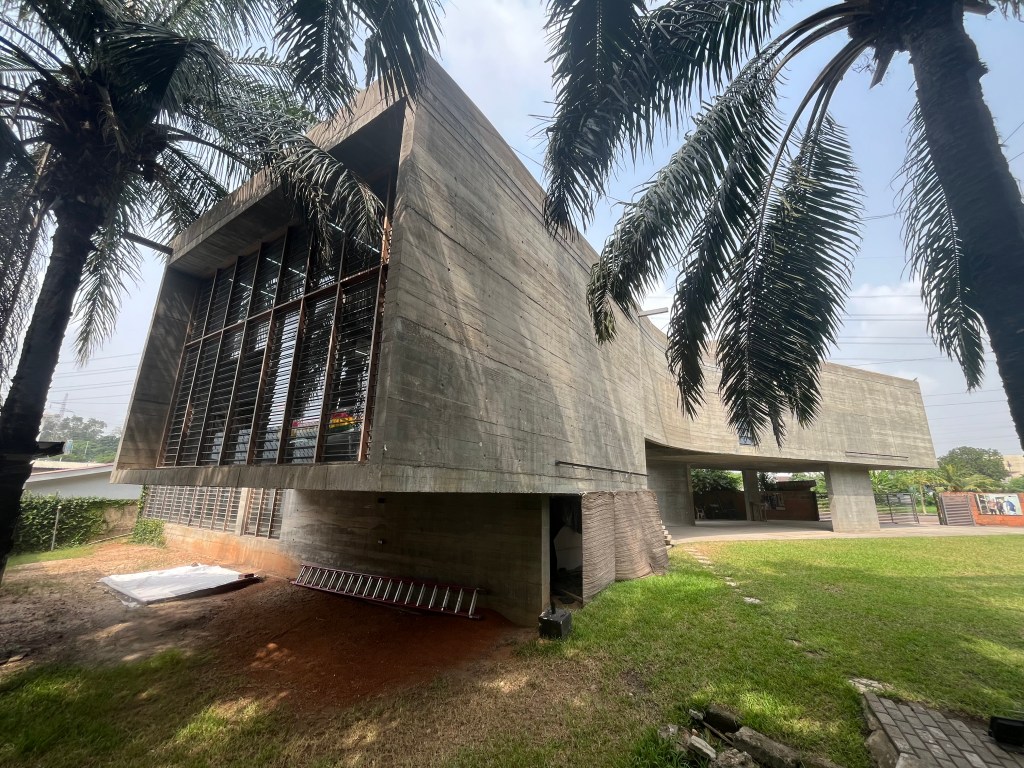
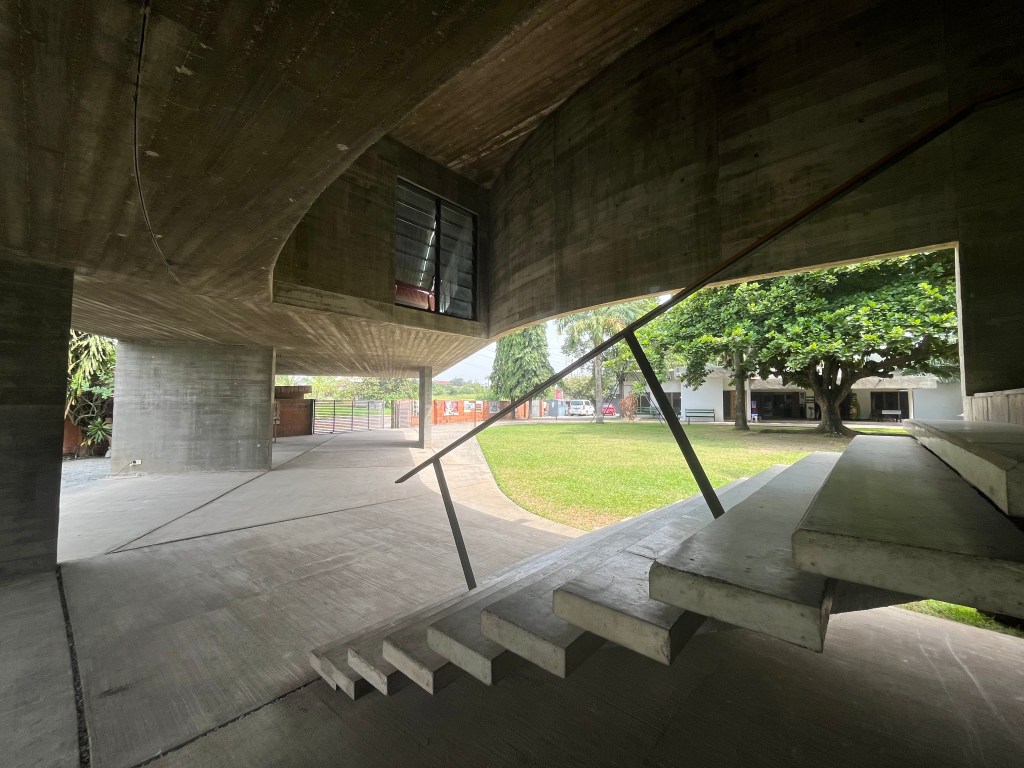
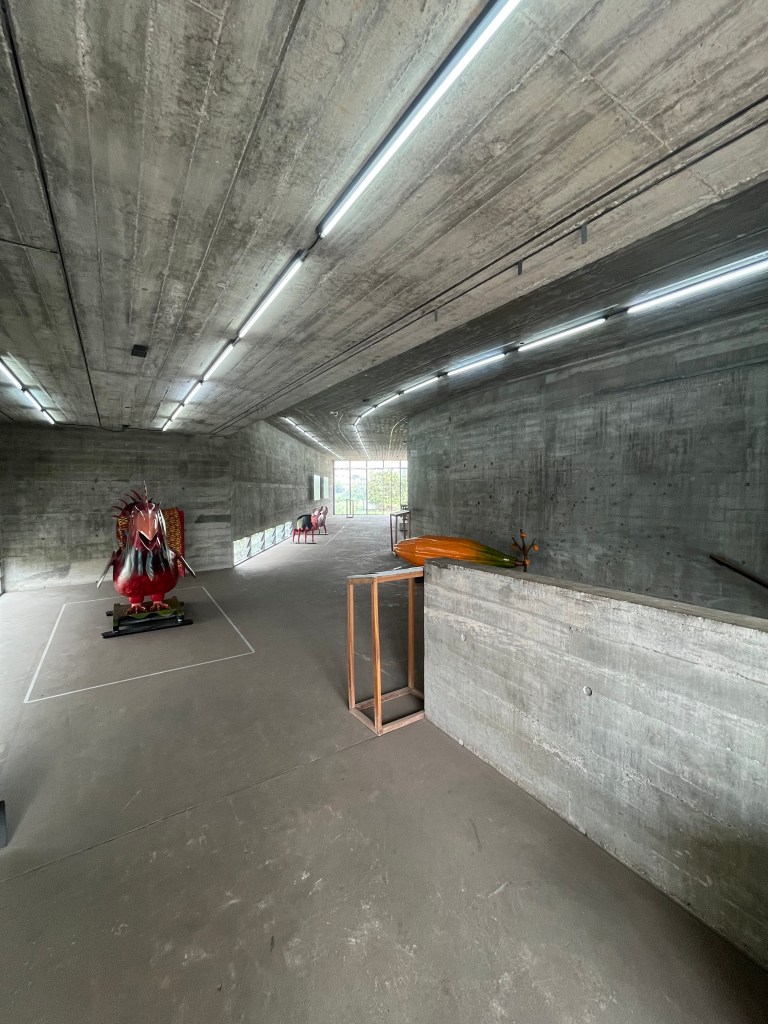
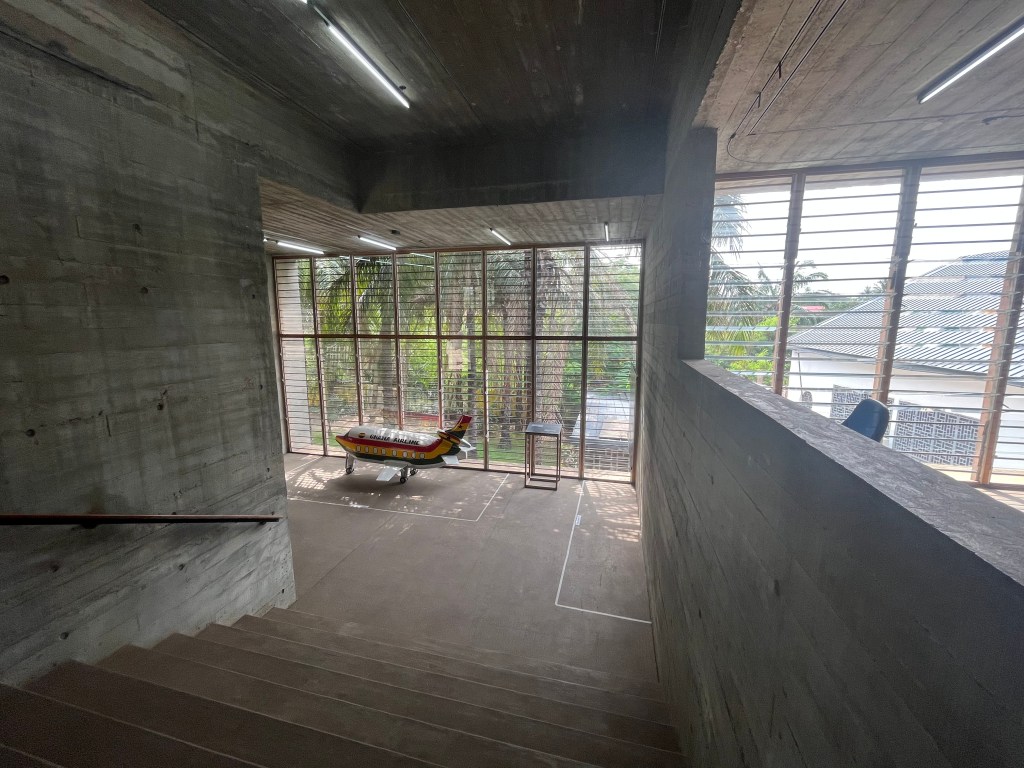
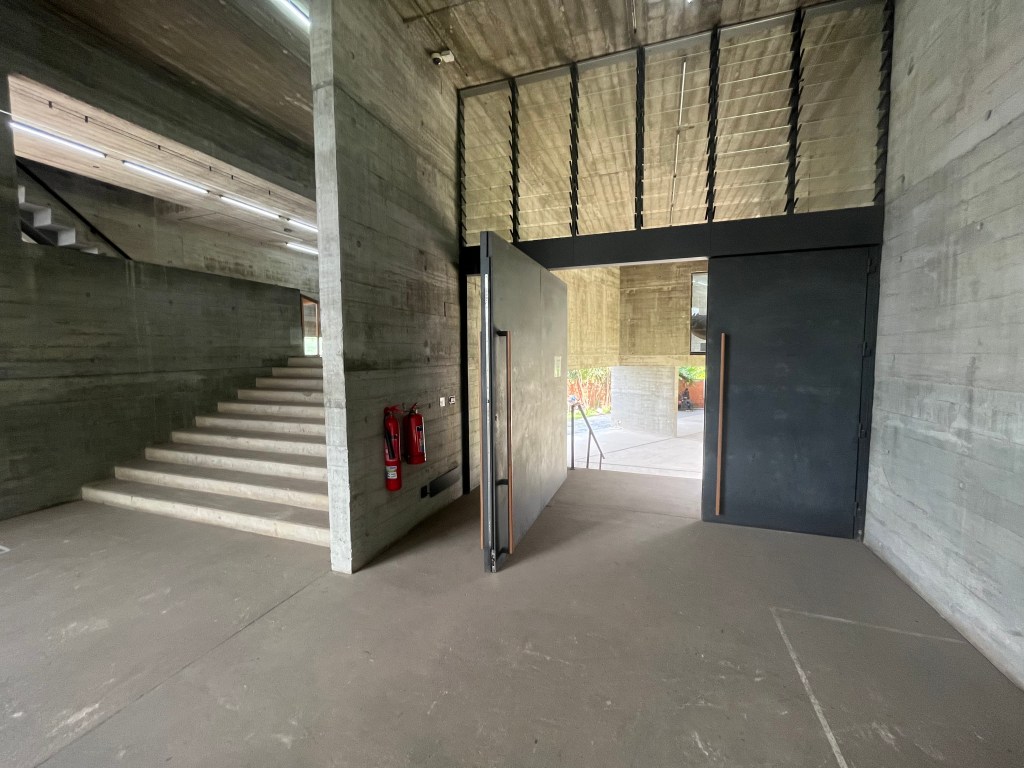
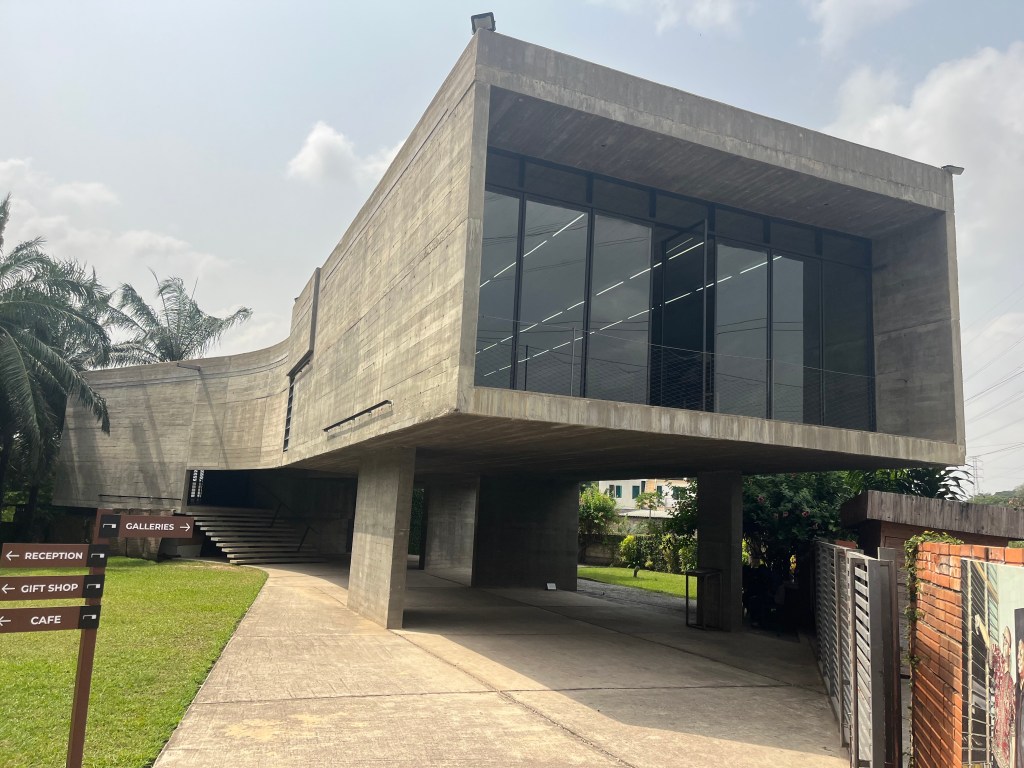
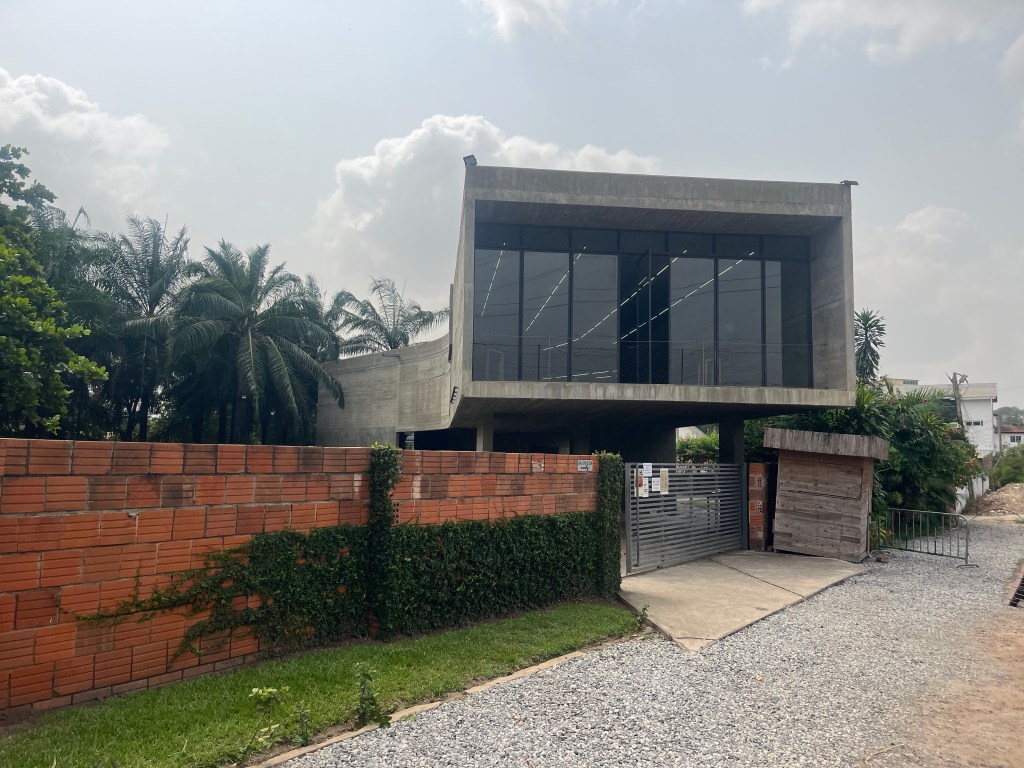
I finally visited the Nubuke_foundation today – a contemporary arts centre in East Legon, Accra . A very exciting structure that was fun to explore . I got there early and had the entire place to my self. Exclusively en situ concrete with the main gallery on piloti the space is lit from the large windows at either end of the linear structure. The shaded outside space under the gallery creates an exterior garden gallery (and cinema), and a carefully cast cantilevered staircase leads up the main entrance. The doors have the Le Corbusier inspired eccentric pivot, found frequently in Chandigarh, and there are certainly other motifs redeployed from the Modernist 5 points. It’s not derivative or cliched though – far from it. The building responds very well to the site and the vast -louvred window facades at each end offer fine views whilst being shaded from the concrete that projects beyond.

The campus was designed by Baerbel Mueller of http://www.nav-s.net/ and Foreign Affairs ([A]FA), Institute of Architecture, University of Applied Arts Vienna.

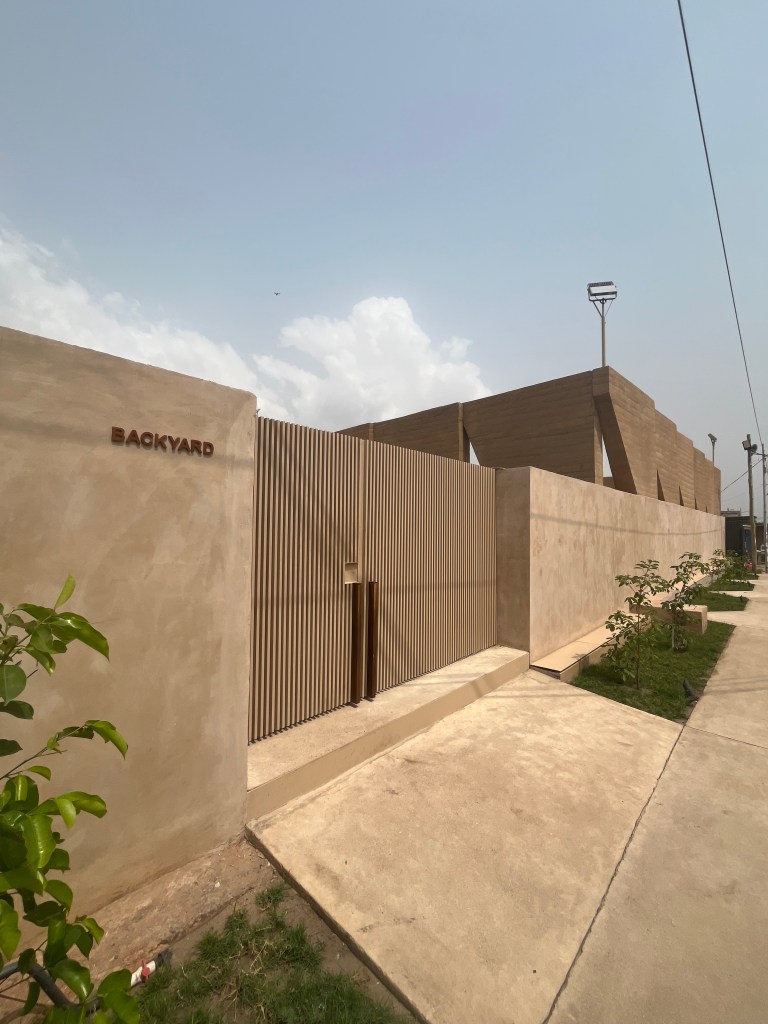
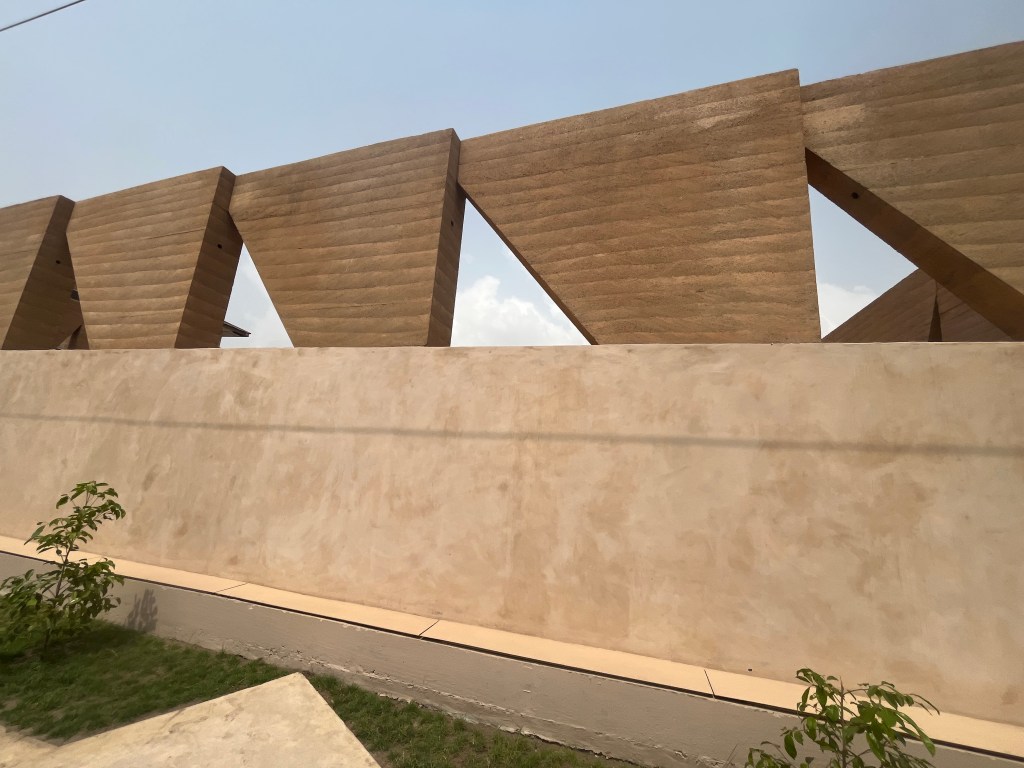
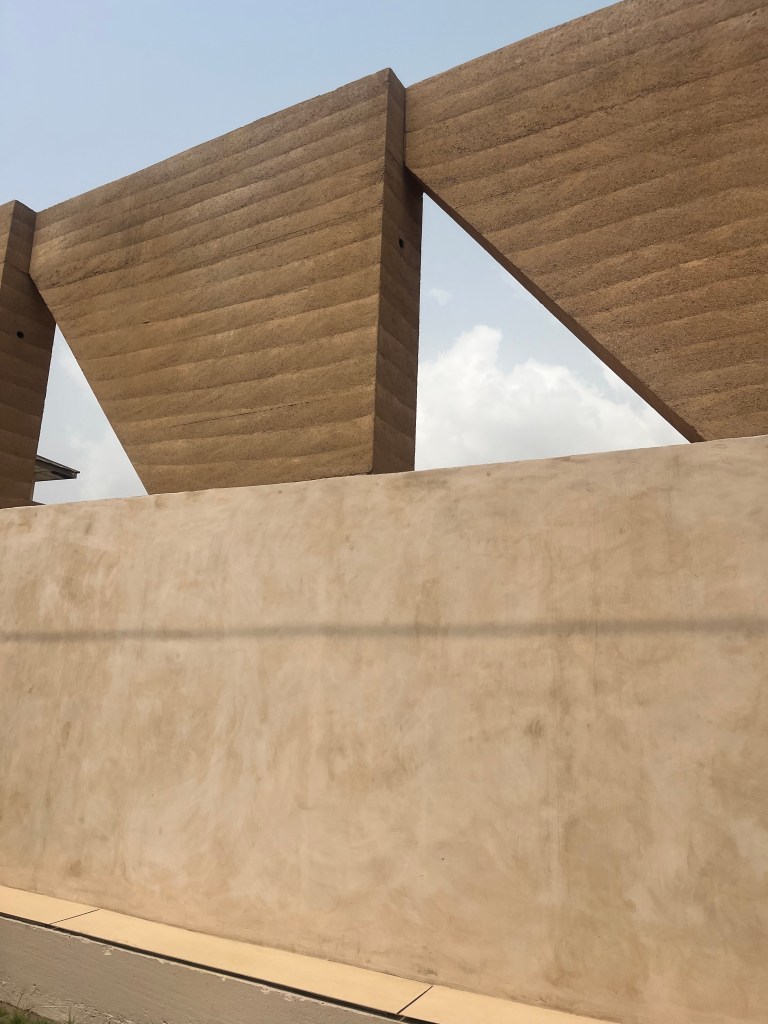
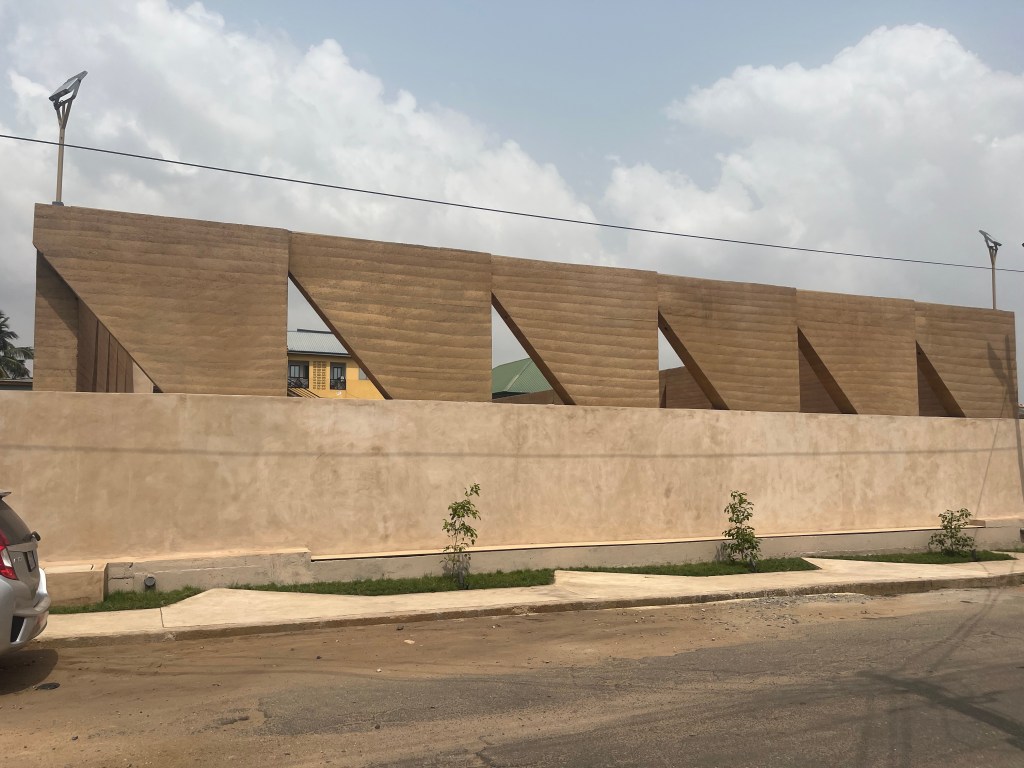
Elsewhere I had a less successful attempt to visit the Backyard Community Club – every time I visit it’s closed – but hopefully I’ll get full access soon. Designed by DeRoche Projects, it is the first project in Ghana using a precast rammed earth system. The modular precast elements provide shade whilst allowing cross ventilation. They also integrate cleverly into a bench for observers to watch the games. As well as tennis, there’s a kitchen garden and other gathering spaces for coaching and social events.

I’m intrigued by the precast panels and would like to learn more about the detailing. How was it possible to transport rammed earth – surely there’s a significant amount of cement in these panels to hold them together, and how is the top of the panels protected from the heavy rain? I’ll have to investigate further. Read more and see far better photos here: https://www.archdaily.com/1036713/backyard-community-club-deroche-projects. We saw at nearby Dot Atelier the flashing interventions being made around the windows to project the adobe ‘sandcrete’. I admire both buildings for experimenting and developing such uplifting and carefully designed spaces.

A few brief updates on Accra:

I revisited the PWD Junior Staff quarters in Osu. See https://transnationalarchitecture.group/2019/02/08/housing-in-accra-junior-staff-quarters-from-1961/ for a brief history of the estate. According to Michael Hirst who worked on Tema‘s Community 1 housing in the late 1950s, the Osu estate took it’s inspiration from their work. The houses are holding up well – it’s the landscaping that needs urgent attention.

The two major projects under construction in the city that we reported on in 2022 – Cathedral and Marine Drive have both stalled, and both projects are now under-review and reassessment – leaving behind faded hoardings and large vacant sites. At least the Community Centre and Ghana Club have some reprieve.

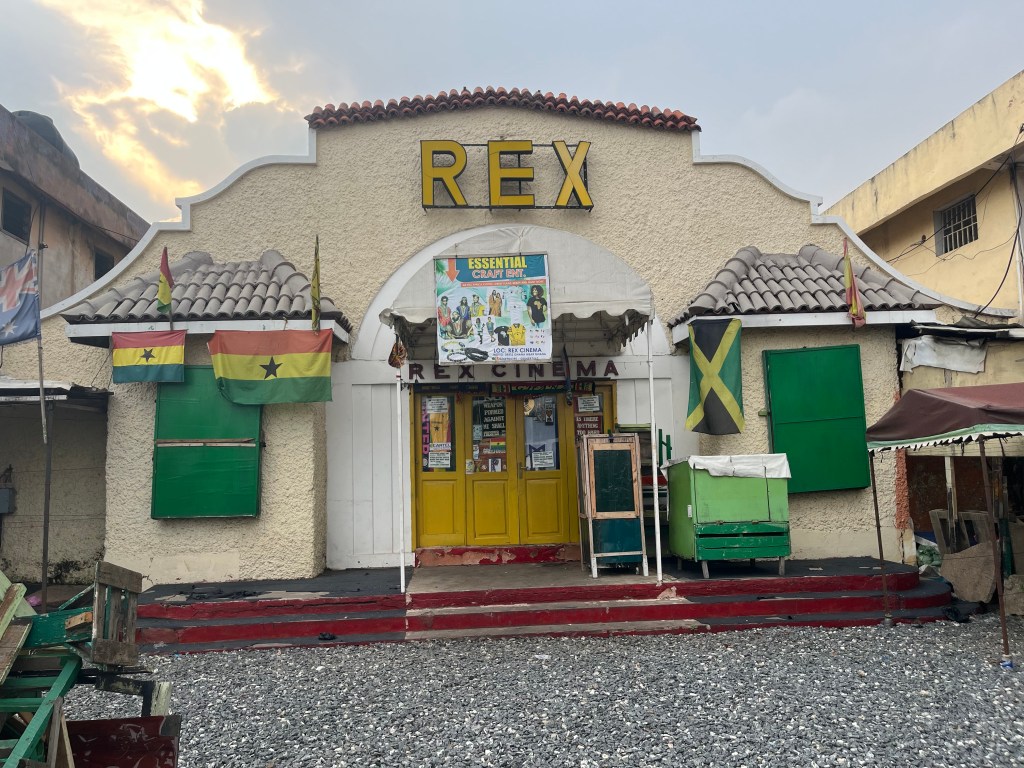
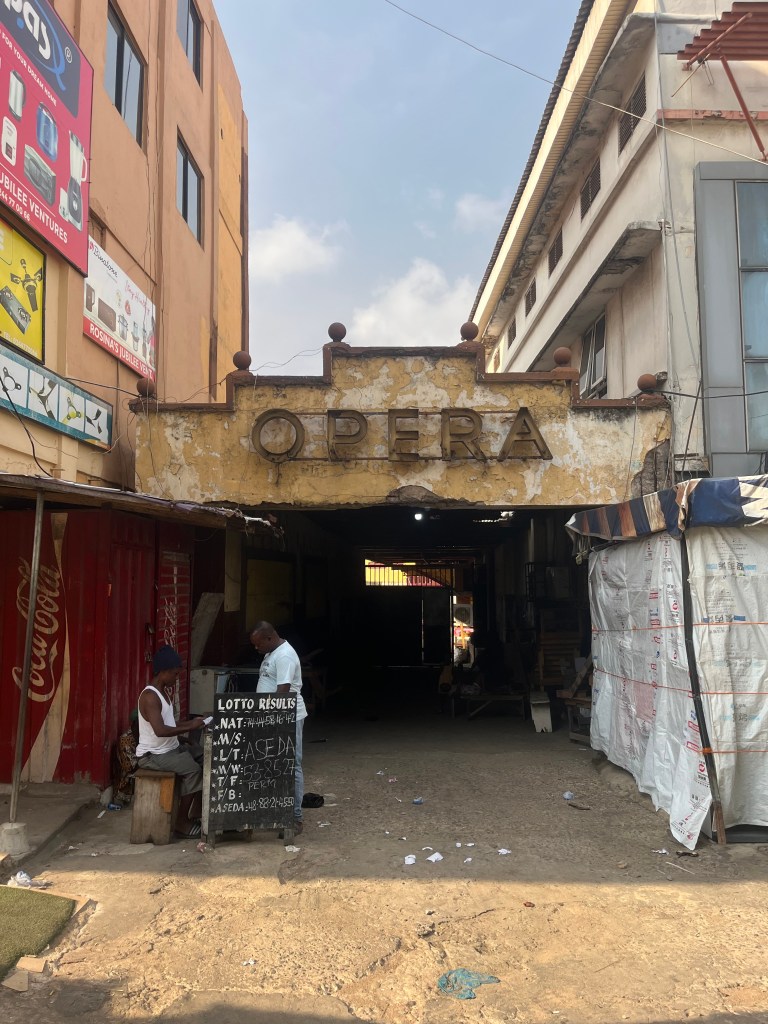
I also visited the Rex Cinema and Opera Cinema – both still looking excellent with their small scale intriguing entrance portals hiding their vast open-air screening areas.

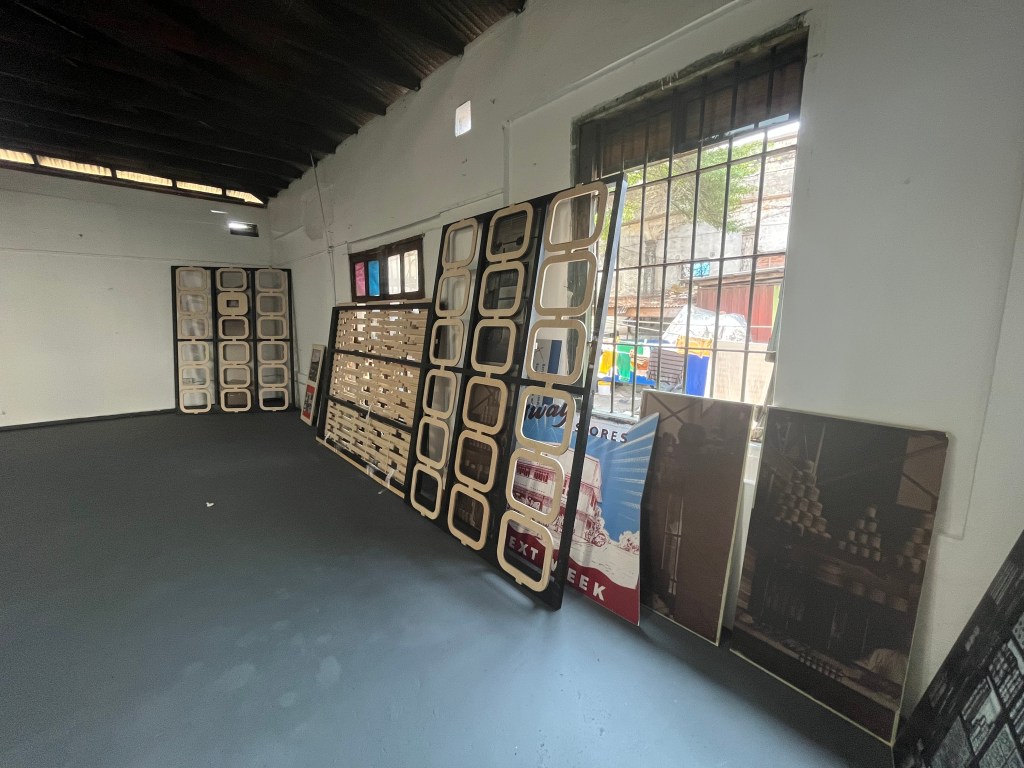
The Kingsway Exhibition has been sent to Accra and carefully stored at the Jamestown Cafe for a few months now. We were finally able to unpack the vast pallet on Friday morning and spent the weekend constructing the two pavilions and installing the light boxes and panels.

The exhibition is being extended and reimagined through a further collaboration with Allotey Bruce Konuah on a series of vinyl street banners that will be installed on the exterior walls of the gallery space, as well as on the old ruined Kingsway Stores portico located next door.

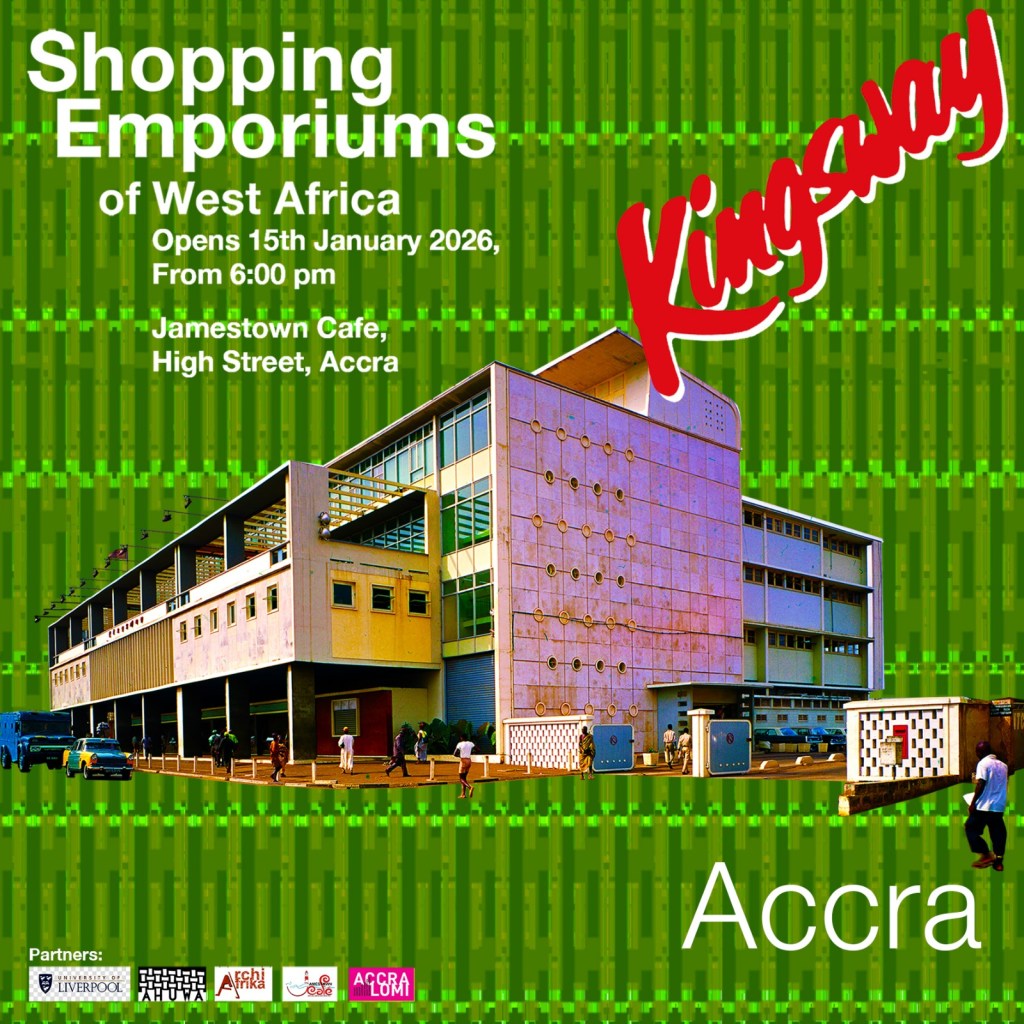
The opening night is 15th January and all welcome. The exhibition will remain until Easter before it moves on…

Thank you to James Galliford and the Liverpool School of Architecture Technical Team for their expertise on the fabrication and installation, and to Claire Tunstall and Unilever Archives team for all their help and support sourcing the images and visuals.

We’ll be setting up the Kingsway Stores exhibition at Jamestown Cafe and Gallery, Accra, this week. The two pavilions have made their way from Liverpool to Ghana and are ready for installation. The opening is on Thursday 15th January from 6pm – all very welcome. We’ll be based at the cafe from Friday 9th – so if you’re in the vicinity please call in. The exhibition will run until Easter and then we’ll tour it to other venues, with details to be confirmed.

We’ll document the installation and share further updates here, and on https://www.instagram.com/iaindjackson/ too.

Lagos Workshop Reflections

Lagos Writing Workshop

Context

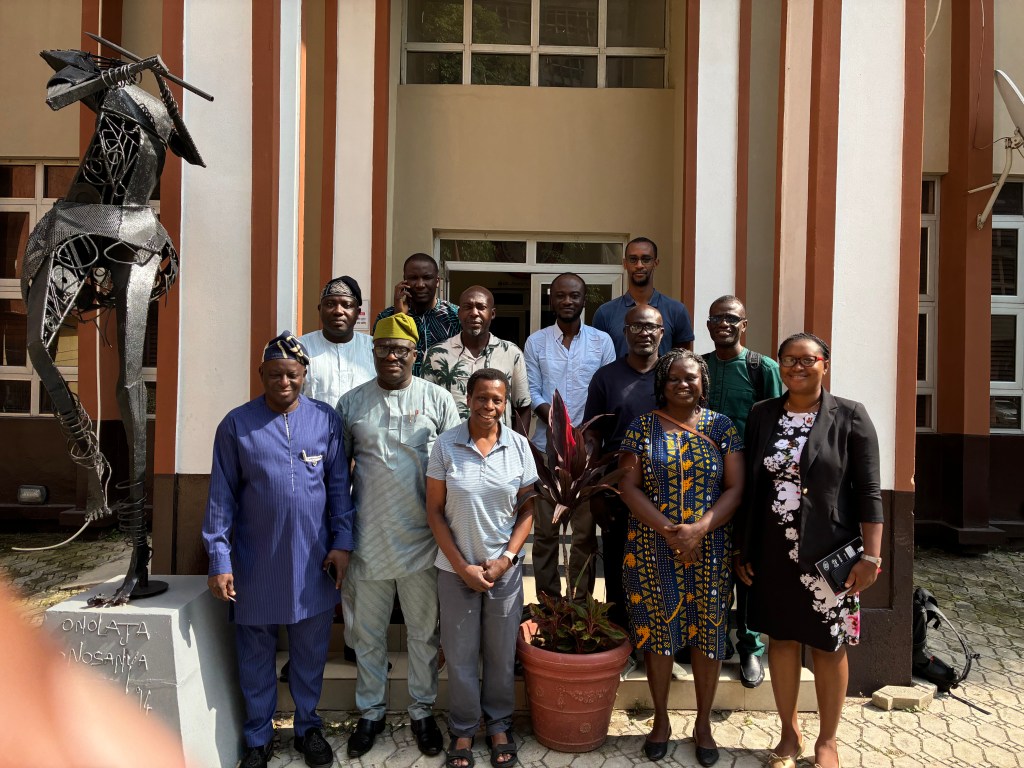
This document summarises the collective reflections from the Lagos Writing Workshop.

During the event, participating Early Career Researchers (ECRs) shared insights from

previous experiences organising student writing workshops in architecture. Discussions

included how to strengthen the pedagogical impact of these workshops, optimise cohort

composition, improve documentation and archiving, explore effective workshop models,

expand publishing and dissemination efforts, and establish robust logistical structures for the

long-term.

Based on these reflections, participants discussed how they might transform the workshop

series into a platform tentatively called the African Architecture History and Theory Network.

Such a platform would advance scholarship on the African built environment through various

events and opportunities for writing. It would involve academics and practitioners, on and off

the continent, who work on the history and theory of its built environment.

1. Pedagogical Impact and Institutional Uptake

A recurring theme in our conversations was the importance of tracing the workshop’s longer-

term impact. There were questions about the journeys of previous participants: Where are

they now? How many found their way into academia, and how many continued in

professional practice? More importantly, in what concrete ways did the workshop influence

their teaching, research, or approach to design and writing? This kind of follow-up could

strengthen the workshop’s role as a bridge to academic careers – if we so desired – and guide

how future editions are shaped to meet participants’ realities.

The discussion also brought up a common challenge: in many African universities, research

and writing are introduced into the curriculum only in their later stages. By that time,

valuable opportunities for skill development may have been lost. While institutional reforms

can be slow, participants identified opportunities for immediate action through informal

initiatives, such as integrating writing exercises into existing classes, establishing peer-review

groups, or mentoring students outside formal structures.

Participants emphasised the need to view the curriculum as a living and continuously

developing document that, even within the same framework, approached the material with

creativity in its delivery. This flexibility could open space for richer, more engaging writing,

teaching and development.

There was also a call to clarify the type of writing to prioritise: academic, creative, or a blend

of the two? Clearer goals would help ensure that teaching and mentoring efforts are aligned.

Finally, the group identified an opportunity for deeper institutional support: inviting

academics to serve as visiting scholars in specific schools, funded to spend extended periods

(perhaps a semester or more) and to help embed a writing community of practice more firmly

within an architecture department.

2. Cohort Composition and Interdisciplinarity

We reflected on how different compositions of workshop participant cohorts, such as single-

discipline or interdisciplinary, or those from a single institution or multiple institutions, shape

the workshop experience. Past multidisciplinary groups, comprising participants from various

universities, were seen as especially enriching, bringing fresh perspectives to both

discussions and writing. In particular, pairing architects with participants from other fields

interested in writing about buildings, as in the Accra workshops, proved valuable.

When it comes to larger participant numbers, colleagues suggested experimenting with group

essay writing. Under such conditions, each group member could contribute a section, as a

way to sustain engagement and produce richer outputs. This may require more work up front

to set it up effectively. Yet it promises to yield good results in the long run.

Another critical question was whether we had, in the past, assumed too much about

participants’ writing ability during the selection stages. In earlier workshops, many were

chosen because they could already write well. Moving forward, requesting writing samples
could help establish a baseline. Where needed, we can offer resources and strategies to help
beginners build foundational skills, as well as targeted support for advanced writers. At the

highest level, we recognised the importance of a clear framework to support and challenge

experienced writers to produce polished, high-quality outputs.

Participants also pointed out the importance of cohort size, which would shape the structure

of the workshops. Smaller groups allow for more intensive work, while larger groups may

benefit from group or collaborative approaches. But much of this needs to be discussed

alongside issues such as the number of ECR mentors available and the duration of the

workshops, and all these depend on funding.

3. ORGANISATION: Documentation, Archiving, and Knowledge Management

Lagos workshop participants also discussed the need for a more systematic approach to

capturing, storing, and sharing the knowledge generated through the workshops. This

includes establishing clear protocols for cloud storage and file sharing. These should ideally

be set up before each workshop to ensure that all forms of output are preserved and

maintained. The frameworks should provide for the archiving of materials in multiple

formats, including audio and video recordings of workshop discussions, lectures, participant

feedback, and organisers’ reflections.

We also acknowledged the central role that archival materials and comparative building

analysis can play in fostering architectural research and writing, as well as the barriers to

accessing architectural records across institutions and countries. Whilst some university

libraries may have useful records, there still exists a need to establish direct contact with

architects or their families, in case they have passed away, to explore how we might collect

and store their archives. Copyright issues emerged as a key consideration. If architectural

drawings or other archival content are to be published online, it is essential to secure the

necessary permissions from rights holders.

There was also discussion about the platform through which archived materials might be

made accessible online. Should this be a standalone website dedicated exclusively to the

workshop series, giving it a clear identity and independent visibility? Or should it be

integrated into the digital infrastructure of an existing institution, potentially offering greater

3long-term stability, technical support, and credibility? Each option carries implications for

accessibility, branding, and sustainability. We need to consider this alongside questions of

funding, audience reach, and alignment with the workshop’s broader objectives.

Finally, participants emphasised that robust archiving is just as much about accessibility as it

is about accuracy. To ensure that stored knowledge remains reliable, we discussed the

potential for an independent peer-review mechanism for workshop essays and other materials

generated. Such a system would help maintain the archive’s long-term value as both a

teaching resource and a research asset.

4. Workshop Models and Formats

We reflected on the range of workshop models used to date, from those focused on individual

essays to those built around group writing, and from standalone events to workshops

embedded within larger programmes. Each format offers distinct advantages: individual

writing allows for deeper personal engagement with a topic, while group essays can foster

collaboration, distribute workload, and produce richer, multi-voiced outputs.

Lessons from initiatives such as the Shared Heritage Fellowship suggest that embedding

workshops within broader collaborative frameworks can create valuable opportunities for

networking, resource sharing, and sustained engagement. Well-structured collaborations can

also open doors to funding streams that might otherwise be inaccessible.

Potential partners identified included:

· The Canadian Centre for Architecture (CCA), which holds relevant archives and could

host African scholars for on-site archival work as part of a workshop.

· The Museum of Modern Art (MoMA) in the United States.

· The Architecture and Design Centre in Rwanda by MASS Design Group.

· The African Futures Institute (AFI); and

· The African Architectural and Urban History Network (AFRAUHN).

Reaching out to such institutions could create new possibilities for co-organised workshops,

access to specialised collections, and cross-continental exchanges.

5. Publishing, Toolkits, and Knowledge Dissemination

We discussed the value of consolidating the insights, methods, and resources developed

through the workshop series into outputs that extend beyond the immediate cohort. Joint

publications, whether in the form of edited volumes, special journal issues, or curated online

essays, could serve both as a record of the intellectual work undertaken and as a meaningful

contribution to the broader discourse in architecture.

Platforms for such outputs could include academic journals such as Architectural Research

QuarterlyJournal of Architectural Education, and The Journal of the Society of

Architectural Historians.

Conferences such as the Society of Architectural Historians (SAH) Annual Conference, the

African Architecture Matters Forum, and the African Studies Conferences could serve as

opportunities to present findings, build networks, and position the workshops’ outputs within

both African and global conversations on architecture and heritage. Such outputs could feed

back into architectural curricula, enriching reading lists for history and theory courses and

influencing teaching practice within departments.

In parallel, the creation of practical manuals or toolkits – which draws on our collective

experience in workshop design, pedagogical strategies, and partnership building – could

support future workshops as well as other educators and institutions interested in running

similar initiatives. Toolkits could be tailored for a broader readership, including practitioners,

students, and cultural institutions, and made accessible in multiple formats: print, digital, and

ideally, open-access.

Finally, there was strong interest in forming a dedicated working group or network to develop

and promote research, teaching, and dialogue on African architectural history and theory.

Participants believed this would provide a sustained platform for collaboration and visibility

in this field. A suggested name is the African Architecture History and Theory Research

Network (AAHT), which would have a base (a writing hub) at each participating university.

These AAHT writing hubs could be dedicated to providing year-round support for student

members who develop essays for publication and who could serve as a pool to draw from for

future workshops.

6. Planning, Logistics, and Long-Term Structuring

We discussed the need for more robust logistical and planning frameworks to support the

consistent delivery of successful workshops while reducing the need to reinvent processes

each year.

For transnational events, this includes building capacity for virtual and hybrid formats to

support collaboration across countries and institutions. For in-person gatherings, challenges

such as visa applications must be addressed early. A practical step would be to send accepted

participants a checklist of required preparations immediately upon selection, to avoid delays

caused by unforeseen administrative issues.

Clear decisions will be needed regarding the frequency of workshops (e.g., annual or bi-

annual). This, in turn, will determine how much time will be required for planning. This

means formalising the workshop series as an event centred on writing and text production

about the African built environment. This will be based on a standing document outlining our

core values, mission, and vision, supported by a strategic committee responsible for

oversight, continuity, and long-term direction.

To streamline coordination, we proposed appointing an administrative lead – possibly an

intern based at the host institution – to handle logistical tasks, allowing academics to focus on

the programme’s intellectual and pedagogical components.

Alongside the list of potential collaborators, a standing register of funding and grant

opportunities would help guide application timelines and planning priorities. Planning

frameworks should also account for different funding conditions, with adaptable approaches

for both funded and unfunded workshops.

Finally, we explored strategies to expand the series to other university campuses, beginning

by consolidating our presence in key locations, such as Uganda, before extending it to new

sites. This phased approach could help ensure depth and sustainability in our growth, building

strong local networks before scaling further.

November 8, 2025–April 12, 2026: Office Southeast in collaboration with Dana Salama

During the 1960s, Accra stood at the center of the anticolonial world. As the capital of Ghana—the first independent country in sub-Saharan Africa following European colonization—the city drew revolutionaries, intellectuals, and artists from across the continent and the Cold War divides. Ghana’s first leader, Kwame Nkrumah, envisioned Accra as a showcase of African statehood and invited architects to help shape its future.

Exhibition Photograph, courtesy of Łukasz Stanek, 2025.

Intersections traces the collaboration of two architects who responded to that call: Ghanaian Victor Adegbite (1925–2014) and Hungarian Charles Polónyi (1928–2002). Polónyi arrived in Accra as part of Eastern European technical assistance programs supporting Ghana’s transition to socialism. He worked for the Ghana National Construction Corporation (GNCC), where Adegbite—a Howard University graduate—served as chief architect. In their work at the GNCC they mobilized architectural resources from the socialist, capitalist, and non-aligned countries and designed buildings that responded to Ghana’s needs, means, and aspirations.

The exhibition centers on the housing projects designed by Adegbite and Polónyi, which embodied the many dimensions of independence—from representing a new elite to the state’s provision of housing for all social groups. By juxtaposing family archives from the United States and Hungary—preserved by the architects’ daughters—the exhibition both reconstructs and reenacts an encounter from sixty years ago. By recording how the buildings designed by Adegbite and Polónyi have been appropriated by their inhabitants, it shows how the architects’ work continues to impact Accra’s urban landscapes.

Curators: Michael Dziwornu and Łukasz Stanek, in collaboration with Dana Salama.

Values of Waste: Social and Material Histories of Bio-Based Construction 

Values of Waste will bring together architects, historians and activists to discuss how histories of labour and production can inform architectural uses of bio-based and waste materials. 

At a time when architects are increasingly re-evaluating the relationship between the built environment and materials like agro-industrial by-products, mineral tailings and discarded construction materials, this event will facilitate challenging interdisciplinary dialogues, posing questions such as:

• How are ‘natural’ and ‘waste’ materials valued, produced, and transformed?

• Do recycling efforts in architecture and related industries address or inadvertently conceal histories of labour exploitation, and what are the alternatives?

• What lessons can designers and building scientists working with natural and waste materials learn from history or contemporary grassroots experience, and vice versa?

• What new historical narratives might emerge from design experimentation? And what new possibilities in design and construction could result from archival and oral histories of labour and materiality?

It would be wonderful to see you there if you are able to attend for some or all of the day. Places are free but limited so please register on Eventbrite: https://www.eventbrite.co.uk/e/values-of-waste-tickets-1724185257519

Or RSVP to: 

alistair.cartwright@liverpool.ac.uk